
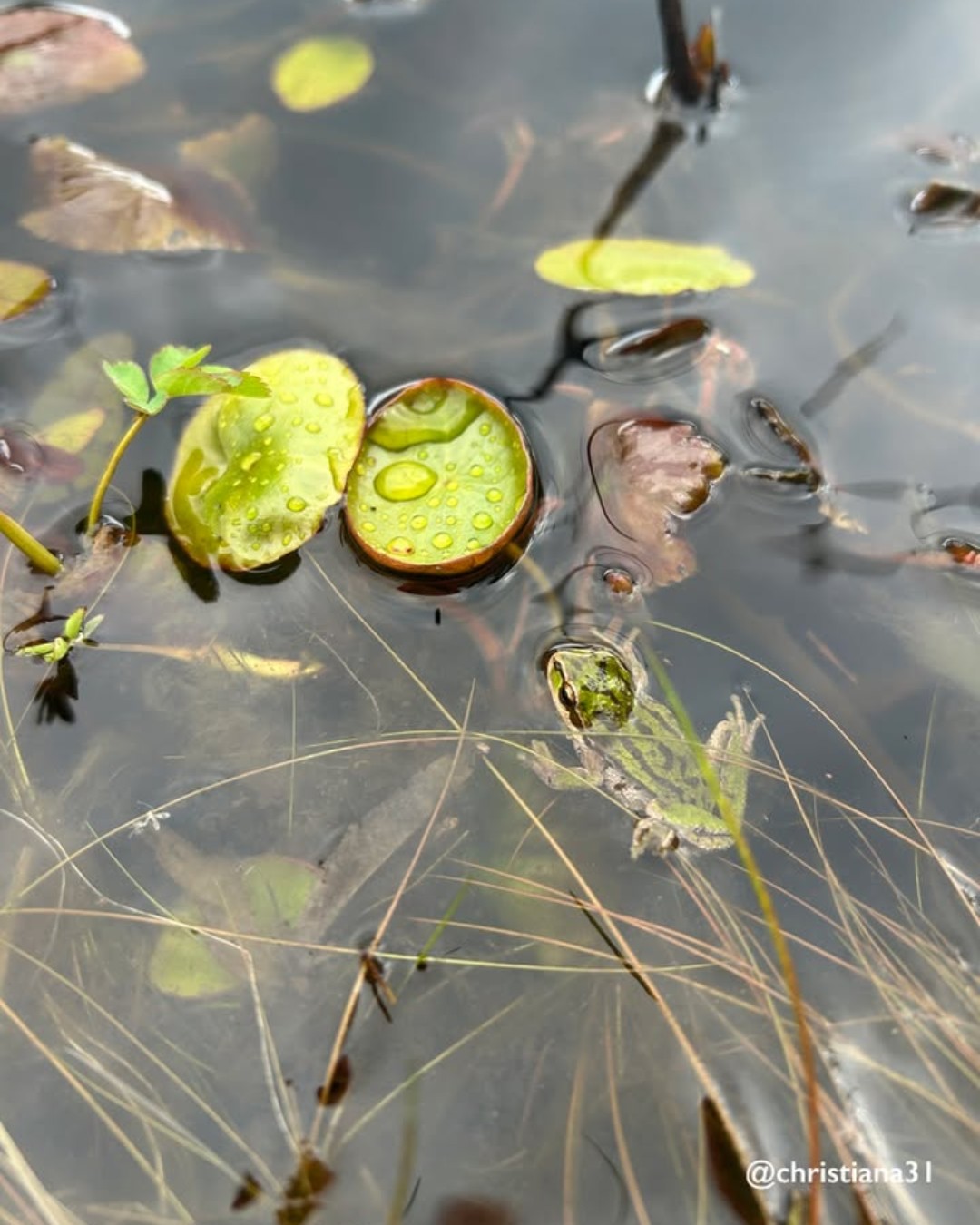
- The significance of Amphibian Week in promoting conservation and awareness.
- Key amphibian species in Puget Sound and their ecological roles.
- The Amphibian Monitoring Program and its contribution to wildlife research.
- Recent observations and their implications for conservation efforts.
- The importance of community participation in amphibian conservation.
It’s Amphibian Week! This annual celebration highlights the crucial roles frogs, toads, salamanders, and newts play in our ecosystems, particularly in the Puget Sound region. By raising awareness and engaging communities, Amphibian Week emphasizes the need for conservation and understanding of these vital creatures. Amphibians are bioindicators, meaning their health reflects the overall state of the ecosystem. Understanding their population trends helps scientists make informed decisions to protect our environment.
The Puget Sound area is home to diverse amphibian species, including the Pacific chorus frog, rough-skinned newt, Northern red-legged frog, and Northwestern salamander. Each species plays a unique role in maintaining ecological balance. Frogs and toads, for instance, control insect populations, while salamanders influence soil health and nutrient cycling. These creatures are integral to food webs, sustaining various predators such as birds and mammals.
A key part of this celebration is the Amphibian Monitoring Program. This initiative relies on volunteers to collect data across western Washington, enriching the scientific understanding of local amphibian populations. Volunteers log observations in different wetland habitats, providing valuable insights into species distribution and abundance. This citizen science project fosters a collaborative approach to conservation, bridging the gap between professionals and the community.
Recent observations highlight the diverse amphibian presence around Puget Sound. Notable sightings include the Pacific chorus frog in Redmond and its egg mass near Cougar Mountain. Bainbridge Island is home to both rough-skinned newts and Northern red-legged frogs, while a Northwestern salamander egg mass was found in West Seattle. A long-toed salamander at Big Finn Hill Park underscores the variety of habitats supporting amphibians in the region.
These observations, recorded on platforms like iNaturalist, inform conservation strategies. They reveal breeding patterns, habitat preferences, and potential threats. For instance, the presence of egg masses signifies healthy breeding conditions, while the distribution of sightings assists in identifying critical habitats. This data is instrumental in developing targeted conservation plans.
Community involvement is pivotal in amphibian conservation. Public participation not only expands the dataset but also fosters a deeper connection with local wildlife. It empowers individuals to contribute to scientific research and advocacy, promoting stewardship of natural resources. Schools, families, and individuals can all play a part in monitoring efforts, making conservation an inclusive and educational experience.
By appreciating the rich amphibian diversity of Puget Sound, we strengthen our commitment to preserving these essential species. Amphibian Week serves as a reminder of the ongoing efforts needed to maintain healthy ecosystems and the crucial roles that both scientists and the public play in these endeavors.
*****
Source Description
It’s Amphibian Week! Let’s celebrate the frogs, toads, salamanders and newts that call Puget Sound home.
Each year our Amphibian Monitoring volunteers log hundreds of observations of amphibians across western Washington—assisting conservation efforts by recording scientific data to gain a better understanding of amphibians in local wetland areas.
Learn more about this toad-ally rad program: zoo.org/amphibianmonitoring
All 2025 observations can be viewed on @inaturalistorg at: www.inaturalist.org/projects/amphibians-of-washington
1. Pacific chorus frog was observed in Redmond.
2. Pacific chorus frog egg mass near Cougar Mountain.
3. A rough-skinned newt on Bainbridge Island.
4. A Northern red-legged frog on Bainbridge Island.
5. A Northwestern salamander egg mass in West Seattle.
6. A long-toed salamander at Big Finn Hill Park.
