
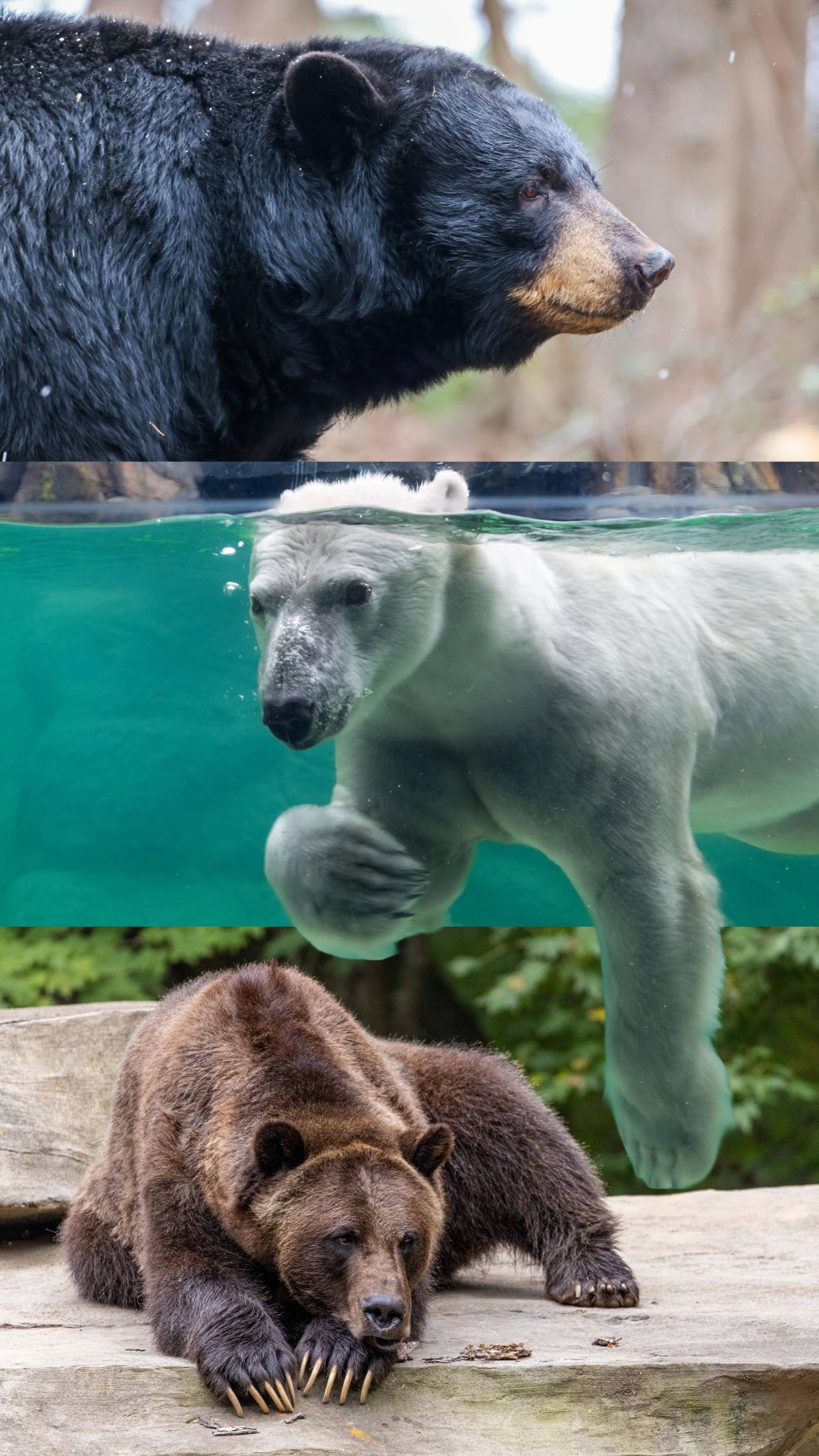
- Happy Bears Day: Significance and Celebration
- Overview of Bear Species: Black Bears, Polar Bears, and Grizzly Bears
- Essential Habitat and Conservation Efforts
- Bear Behavior and Social Structure
- How Zoos Contribute to Bear Conservation
Happy Bears Day is a vibrant occasion celebrated annually to raise awareness about bear species and promote conservation efforts. This day is not just a celebration but an opportunity to underscore the essential role bears play in our ecosystems. Each of the three species found at our zoo—the black bears, polar bear, and grizzly bear—exemplifies unique characteristics and adaptations crucial for their survival.
Black bears, represented by Nova and Luna, are highly adaptable and can thrive in a variety of habitats, from dense forests to swamps. Anana, our polar bear, represents the challenges faced by a species that relies on sea ice as a critical habitat. Lastly, Ronan, the grizzly bear, showcases the importance of mountain ecosystems. Recognizing these species allows for a deeper understanding of their behavioral patterns, habitats, and the current conservation status of bears across North America.
Happy Bears Day encourages guests to explore bear-related activities, learn from educational programs, and participate in fundraising initiatives aimed at supporting their habitats. By illuminating the various facets of bear life, we encourage a sense of responsibility for wildlife conservation among our visitors. This article will illuminate the importance of this day, the species in our care, conservation strategies, and the broader role of zoos in wildlife stewardship.
Happy Bears Day: Significance and Celebration
Celebrating Happy Bears Day serves multiple purposes, including heightening awareness about bears and fostering appreciation for their vital roles in our ecosystems. The day invites guests to partake in various activities ranging from educational talks to interactive exhibits that engage visitors. Notably, information about the ecological functions that bears serve—such as seed dispersal and maintaining forest health—is highlighted.
Bear populations are under threat due to habitat loss, climate change, and human encroachment. Happy Bears Day aids in raising funds for conservation efforts. These funds are often directed towards habitat restoration initiatives and wildlife research programs, providing direct assistance to bears in the wild. The involvement of local communities is crucial for these efforts, as educating the public fosters a conservation-oriented mindset.
The day’s celebration also features bear-themed activities and games, allowing families to enjoy hands-on experiences while learning. Engaging educational programs further clarify the importance of bear conservation and delve into the challenges that these animals face. Encouraging visitors to take action is a primary goal, and discussions about reducing human-bear conflicts are vital components of the day’s agenda.
Overview of Bear Species: Black Bears, Polar Bears, and Grizzly Bears
Bears exhibit diverse characteristics and behaviors that differ among species. The three species represented at our zoo highlight the broad adaptations seen within this family.
Black bears (Ursus americanus) are small to medium-sized bears that thrive in a variety of habitats. They typically weigh between 100 and 600 pounds and exhibit varying colorations from black to cinnamon. In addition to their adaptability, black bears are known for their climbing ability and often forage in trees for food like acorns, berries, and insects. Nova and Luna are exemplary displays of this species; their playful interactions as they explore their enclosure remind visitors of their natural game-playing behaviors.
Polar bears (Ursus maritimus) are the largest land carnivores, with males weighing up to 1,500 pounds. Anana, our polar bear, exemplifies the unique adaptations of this species for survival in icy habitats. Polar bears possess thick layers of fat and dense fur, providing insulation against frigid temperatures. Their primary diet consists of seals, highlighting their dependence on sea ice for hunting. With the ongoing climate crisis, polar bears face severe challenges as habitats shrink due to ice melt, making it crucial to protect their environment.
Grizzly bears (Ursus arctos horribilis), like Ronan, showcase the fascinating characteristics of a species known for its strength and adaptability. Grizzlies are more territorial than their black bear cousins and are often found in mountainous regions. These bears require large home ranges, which makes preserving their habitats essential for their survival. Grizzly bears are opportunistic eaters, consuming everything from berries to salmon, which helps maintain ecological balances in the regions they inhabit.
Essential Habitat and Conservation Efforts
Each bear species occupies a specific niche in its ecosystem, making suitable habitats essential for their survival. Black bears thrive in dense forests and mountainous terrain, whereas polar bears rely heavily on coastal habitats where sea ice is prevalent. Grizzly bears require vast areas that encompass forests, mountains, and rivers.
Such diverse habitats are increasingly threatened by human activities. Logging, urban development, and industrial activities disrupt bear habitats, leading to population declines. Conservation efforts focus on habitat protection and restoration, wildlife corridors, and regulations that limit human encroachment. These measures are vital in promoting coexistence and reducing the frequency of human-bear conflicts.
Zoos play a significant role in wildlife conservation initiatives by providing resources for field studies and partnering with researchers and local communities. Programs that involve tracking bear populations and understanding their behavior contribute invaluable data that informs policy decisions. By sharing information with conservation organizations, zoos contribute to the larger conversation around preserving bear habitats and mitigating threats.
Education is another pillar of conservation. Many educational programs hosted by zoos foster awareness and inspire action among visitors. These programs often highlight successful conservation initiatives, showcasing how communities can work together to ensure that bears and their habitats are safeguarded for future generations.
Bear Behavior and Social Structure
Understanding bear behavior is crucial to successful conservation strategies. Bears are generally solitary animals, but social interactions can be observed, particularly among mothers and cubs. Black bears may coexist in overlapping home ranges without significant conflict, but grizzly bears usually maintain more established territories.
Mother bears spend about two years with their cubs, teaching them survival skills essential for their independence. This close bond emphasizes the importance of maternal care, as young bears learn hunting, foraging, and evading dangers from a young age. These interactions form the basis of their social structures, which can vary relative to environmental factors.
Bears are primarily opportunistic feeders, which influences their behavior and daily routines. Seasonal changes lead to variations in food availability, prompting bears to adapt their feeding habits accordingly. For instance, black bears may forage for berries during summer, while polar bears rely on seal hunting during the winter months. Grizzly bears, active scavengers, can be found around active salmon streams during spawning seasons, displaying a remarkable adaptability to exploit food resources.
Key behavior patterns include hibernation in colder months, especially for black and grizzly bears. Hibernation is not a uniform state; instead, bears enter a state of torpor where metabolic rates decrease significantly. This physiological adaptation allows them to survive prolonged periods without food when resources are scarce.
How Zoos Contribute to Bear Conservation
Zoos are invaluable in the conservation landscape, primarily through breeding programs, public education, and habitat preservation initiatives. Captive breeding programs play a significant role in genetic conservation and distress signals for declining wild populations. These programs ensure that genetic diversity is maintained, thus enabling the potential reintroduction of bears into the wild when conditions allow.
Public education programs hosted by zoos inspire ecological stewardship. By engaging visitors and disseminating vital information regarding bear conservation, zoos play a crucial role in altering public perceptions about bears and fostering appreciation for their roles in ecosystems. Activities focusing on reducing human-bear conflicts, understanding bear behaviors, and the importance of habitat preservation motivate visitors to take action in their communities.
Additionally, zoos frequently partner with wildlife organizations to support in-situ conservation efforts. Financial contributions to field research projects often help track bear populations, monitor their health, and assess habitat viability. These partnerships enhance the knowledge base surrounding bear species, facilitating the development of effective management plans tailored to each species’ needs.
Happy Bears Day fosters engagement and increases understanding of the challenges bears face today. Visitors leaving with heightened awareness and empathy can make a difference. This ongoing connection nurtures a sense of responsibility towards wildlife conservation.
In celebrating Happy Bears Day, we underscore the richness of bear life and the importance of continuing conservation efforts. By learning about the unique traits of black bears, polar bears, and grizzly bears, visitors gain insight into the broader challenges faced by these majestic animals. The opportunity to witness and appreciate these species in a zoo setting not only educates but also promotes involvement in critical conservation actions.
By acknowledging the role bears play in our environment, we cultivate a culture of care and respect for wildlife. As stewards of the planet, it is our shared responsibility to ensure that future generations can witness the beauty of bears in their natural habitats. Happy Bears Day serves as a reminder of how much we have to lose—and gain—in our efforts to protect these magnificent creatures.
*****
Source Description
It’s the beary best day of the year: Happy Bears Day! 🖤🤍🤎
We have 3 species of bears, all of them can be found in the North America region of the Zoo: 2 black bears Nova & Luna, polar bear Anana, and grizzly bear Ronan. 🐻🐻❄️🖤
