
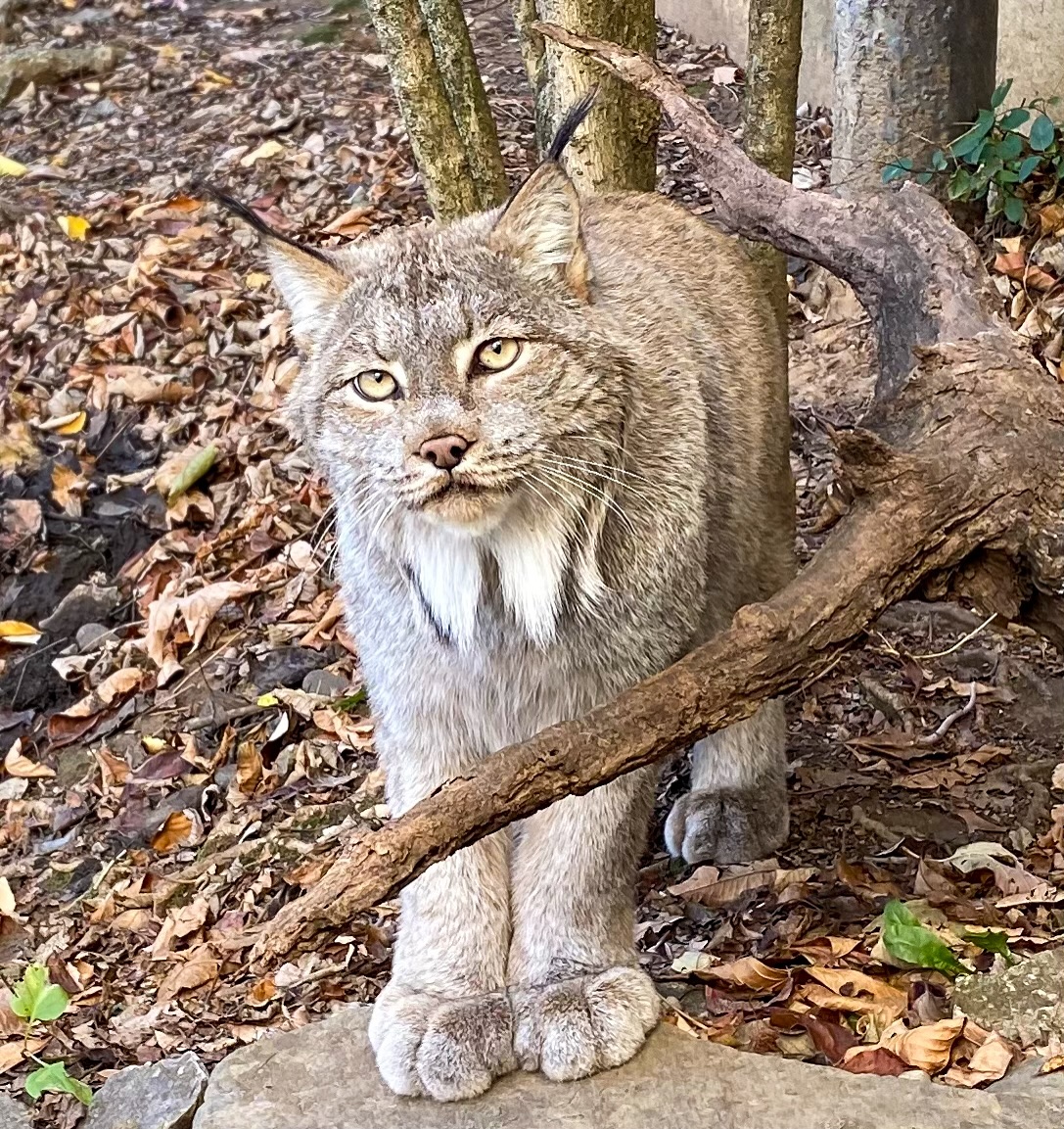
- Introduction to National Lynx Day and its significance in raising awareness about the Canada Lynx.
- Description and characteristics of the Canada Lynx, including physical features and natural behavior.
- The ecological role of the Canada Lynx in forest ecosystems and its status as a keystone species.
- Conservation efforts, challenges faced by the Canada Lynx, and initiatives to preserve its habitats.
- How individuals and organizations can participate in the conservation of the Canada Lynx.
Today marks Happy National Lynx Day, a celebration dedicated to the Canada Lynx, an integral component of North American forests. As we commemorate this occasion, it is crucial to illuminate the importance of the Canada Lynx and understand the intricate balance they help sustain in their ecosystems. This day furthers our commitment to conserving these majestic creatures and their home environments, ensuring their continued presence on our planet.
The Canada Lynx, scientifically known as Lynx canadensis, is a medium-sized feline known for its distinctive tufted ears and luxurious fur. These features not only define its appearance but also play vital roles in its survival and adaptation to cold environments. The tufts are believed to enhance its hearing by directing sound into the ears, a helpful adaptation for hunting. The thick, silver-grey fur insulates the lynx against frigid temperatures, and its wide, snowshoe-like paws allow it to move efficiently through deep snow. Typically weighing between 18 and 24 pounds, these stealthy animals are solitary by nature, occupying vast territories in search of prey.
A defining characteristic of the Canada Lynx is its reliance on the snowshoe hare, which constitutes the bulk of its diet. The population dynamics of Canada Lynx are intrinsically linked to those of the hare, following a cyclical pattern where the rise and fall of hare numbers directly affect lynx populations. This predator-prey relationship is a prime example of the balance maintained in forest ecosystems.
The role of the Canada Lynx extends beyond its immediate interactions with prey. As a keystone species, it plays a crucial part in regulating prey populations, preventing overgrazing, and maintaining the health of the forest understory. Through its predation, the lynx indirectly influences plant diversity and the overall structure of the ecosystem. The presence of healthy predator populations is indicative of a well-functioning and robust ecosystem.
Despite the essential role the Canada Lynx plays, it faces numerous challenges. Habitat loss due to logging, mining, and urban development threatens its living spaces. Climate change further exacerbates these pressures by altering snowfall patterns and affecting snowshoe hare populations. Disease and competition with other predators also impact lynx numbers. Additionally, their elusive nature and preference for remote areas make them difficult to study, complicating conservation efforts.
Committed efforts are necessary to protect the Canada Lynx and its habitats. Several conservation initiatives aim to secure and restore lynx populations across their range. Protected areas have been established to provide safe havens, while efforts to connect fragmented habitats through wildlife corridors are crucial for maintaining genetic diversity and providing safe passages for movement.
Wildlife conservationists and organizations work tirelessly to conduct research and monitor lynx populations, utilizing technologies like GPS collars to track movements and gather data. Education and public awareness campaigns, such as National Lynx Day, play a pivotal role in highlighting the importance of these efforts and fostering broader community involvement.
Individuals can contribute to these conservation endeavors in various ways. Supporting organizations dedicated to wildlife preservation, advocating for policies that protect natural habitats, and participating in citizen science projects can collectively make a significant impact. Even simple actions, such as reducing personal carbon footprints and promoting sustainable land use practices, contribute to creating a more favorable environment for the Canada Lynx and other wildlife.
Happy National Lynx Day serves as a reminder of the interconnectedness between wildlife and human activity. It encourages reflection on how our actions influence the natural world and the critical importance of preserving biodiversity. By understanding and supporting conservation efforts, we play a part in safeguarding the elegant Canada Lynx and ensuring it continues to grace our forests with its presence for generations to come.
*****
Source Description
Happy National Lynx Day! 🐾 Today, we celebrate the Canada Lynx, a symbol of the untamed elegance of our forests. With their tufted ears and stunning fur, these elusive cats play a crucial role in maintaining the balance of our ecosystems. Let’s commit to protecting their habitats and ensuring they continue to roam our landscapes for generations to come! 🌲
📷: Isaiah, Naturalist aide
