
- The significance of Earth Day and its impact on environmental stewardship.
- Understanding elephant behavior and their role in ecosystems.
- The importance of enrichment activities in zoo settings.
- Best practices for wildlife care and conservation efforts.
- Practical steps individuals can take to promote environmental sustainability.
Earth Day, celebrated annually on April 22, serves as a powerful reminder of our interconnectedness with the planet. This day encourages individuals to reflect on their impact on the Earth and to engage in actions that promote sustainability. Events and activities on Earth Day aim to foster awareness about environmental issues, urging communities to participate in conservation efforts. From local clean-ups to educational programs, Earth Day inspires a collective commitment to preserve natural habitats for all species, including humans, elephants, and countless plant and animal life.
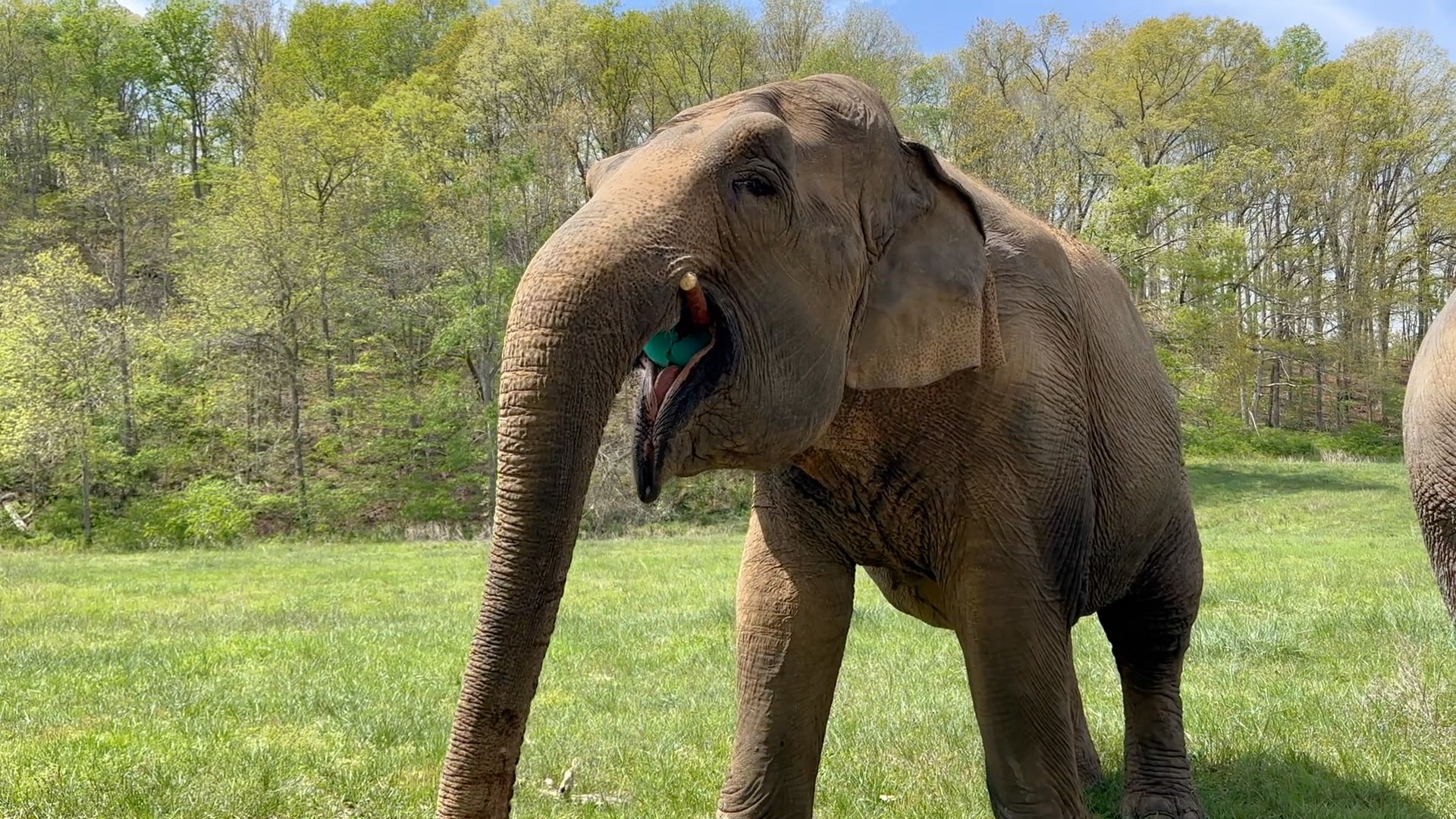
Debbie and Ronnie, elephants in the Sycamore Habitat, experienced a playful Earth Day surprise: a popsicle made of ice in earthy blue and green hues. Such enrichment activities not only stimulate their natural behaviors but also encourage exploration and interaction with their environment. Elephants are known for their intelligence and problem-solving capabilities; viewing Debbie stepping on the icy treat showcases her adaptive strategies to enjoy the refreshing snack. Attempts to break the popsicle revealed her creativity: banging it against a log to extract the juices highlights the essential problem-solving skills elephants utilize daily in the wild.
Elephants play a crucial role in their ecosystems. As they forage extensively, they help maintain the balance of the habitats where they reside. When they consume large amounts of vegetation, they create pathways for other animals and stimulate new growth in plants. This is referred to as a “keystone species,” where their activities essentially help other species thrive. By observing elephants like Debbie in a controlled environment, we gain insights into their innate behaviors and social structures, promoting understanding towards their conservation.
Zoo settings invest in enrichment activities to enhance animals’ quality of life. Such initiatives are designed to engage animals mentally and physically, which is paramount for well-being. These activities range from providing treats hidden in various ways to creating complex structures that stimulate natural behaviors. For elephants, activities involving food forage, as seen with Debbie using her trunk, mimic natural foraging methods. This not only keeps them active but also reinforces their instinctive behaviors.
Wildlife care goes beyond simple feeding and maintenance. It is essential for caregivers to monitor physical and psychological health, foster social interactions, and ensure animals have the tools needed to mimic their natural behaviors. Employing veterinary expertise and behavioral enrichment specialists allows zoos to provide comprehensive care. Regular physical exams, observational studies, and creating engaging habitats all play critical roles in this process. By aligning care with optimum animal welfare standards, zoos can effectively support conservation efforts.
Individuals also have a significant role in promoting environmental sustainability. Simple actions taken in daily life can yield meaningful results for our planet. Step outside, clean up litter in your community, or even plant trees, as these tasks support the ecosystems surrounding us. Composting organic waste promotes soil health and reduces landfill contributions, demonstrating a personal commitment to the Earth. Education on local flora and fauna and their respective ecosystems fosters an appreciation that drives individuals to protect what they cherish.
As we reflect on Earth Day, it’s vital to recognize our responsibility for the environment and the life it sustains, especially species such as elephants. Understanding their movement, behavior, and social structures provides a deeper appreciation of conservation needs. By studying elephants like Debbie and Ronnie, we not only showcase the importance of these majestic creatures but also highlight the intricate ties within ecosystems.
Moreover, advancing conservation strategies requires a holistic approach that involves local communities, governments, and organizations. Collaboration between these stakeholders is essential for effective wildlife management. It is vital to promote policies that prioritize biodiversity, habitat restoration, and education. The biodiversity of any ecosystem relies on the health of all its components, and this comprehensive approach opens pathways for research and knowledge sharing.
Engagement in Earth Day, through thoughtful actions and educational pursuits, contributes to long-term sustainability. Individuals can explore the web to find local conservation projects or educational initiatives related to animal care. Participating in such programs can enhance understanding of species-specific needs and promote respect for the environments they inhabit. Additionally, actively engaging with local environmental groups can amplify individual efforts, fostering a sense of community aimed at conservation.
In the celebration of Earth Day, observing elephants such as Debbie engaging in activities designed for their enrichment can inspire many. Their playful nature reminds us of the delight found in simple things – materials at hand can become sources of joy. By watching how Debbie deftly utilizes her trunk, we see a perfect blend of intelligence and instinct, traits that are valuable in the wild and require protection in a rapidly changing world.
Furthermore, establishing a deeper connection with our surroundings can lead to a greater commitment to conservation. When individuals become educated about the species that inhabit their regions, they develop personal ties to the challenges those species face. This awareness often translates into actions that support wildlife preservation, whether that’s advocating for protected areas or participating in local conservation efforts.
Environmental education should be accessible to everyone; it cultivates concern for the Earth and its inhabitants. Programs promoting ecological literacy encourage a generation of advocates equipped to address pressing environmental concerns. Schools, zoos, and community centers can collaborate to facilitate workshops, hands-on activities, and field trips that engage youth and adults alike.
Additionally, community gardens and local conservation initiatives can create platforms for individuals to contribute positively to their environment. By sourcing local food and fostering biodiversity, people can stimulate their local economy and promote sustainability. This grassroots approach is pivotal, as environmental change often starts at the local level.
Earth Day serves as a focal point, but it does not end with a single day of recognition. Each action taken and awareness raised perpetuates an ongoing commitment to the health of our planet. Observing and engaging with wildlife in educational contexts, like zoos, provides not only entertainment but also ensures a pathway towards deeper understanding and appreciation.
As we navigate these critical issues, reflecting on the activities of our exceptional wildlife fosters a community effort towards sustainability. The lessons learned from watching elephants such as Debbie work through challenges and engage with their environment can help us grasp the essential role of every species in maintaining ecological balance.
Understanding and being informed about these dynamics can create better advocates for the planet. With every effort made, from individual action to communal initiatives, we can lay the groundwork for a future where Earth Day and everyday care for the environment coalesce into a vibrant movement for change. The journey toward sustainability is a collective one, where every action counts in building a more resilient Earth for future generations.
*****
Source Description
Today is Earth Day! Caregivers left an earthy blue and green popsicle in Sycamore Habitat for Debbie and Ronnie to discover. Debbie wasted no time stepping on the icy treat to attempt to break it into smaller bites. When that didn’t prove successful, she used her trunk to bang the popsicle onto a nearby log. It eventually melted enough for her to suck the juices out and eat it bite by bite, crunching the stick made out of pine at the very end. A telltale sign that you are watching Debbie on the EleCams is how her ears do not flap in unison. See if you can spot it in the video!
We hope you consider the earth today and every day, to ensure the planet’s longevity for humans, elephants, and all plant and animal life. Step outside, clean up litter in your neighborhood, plant a tree, or start composting. We all depend on it!
