
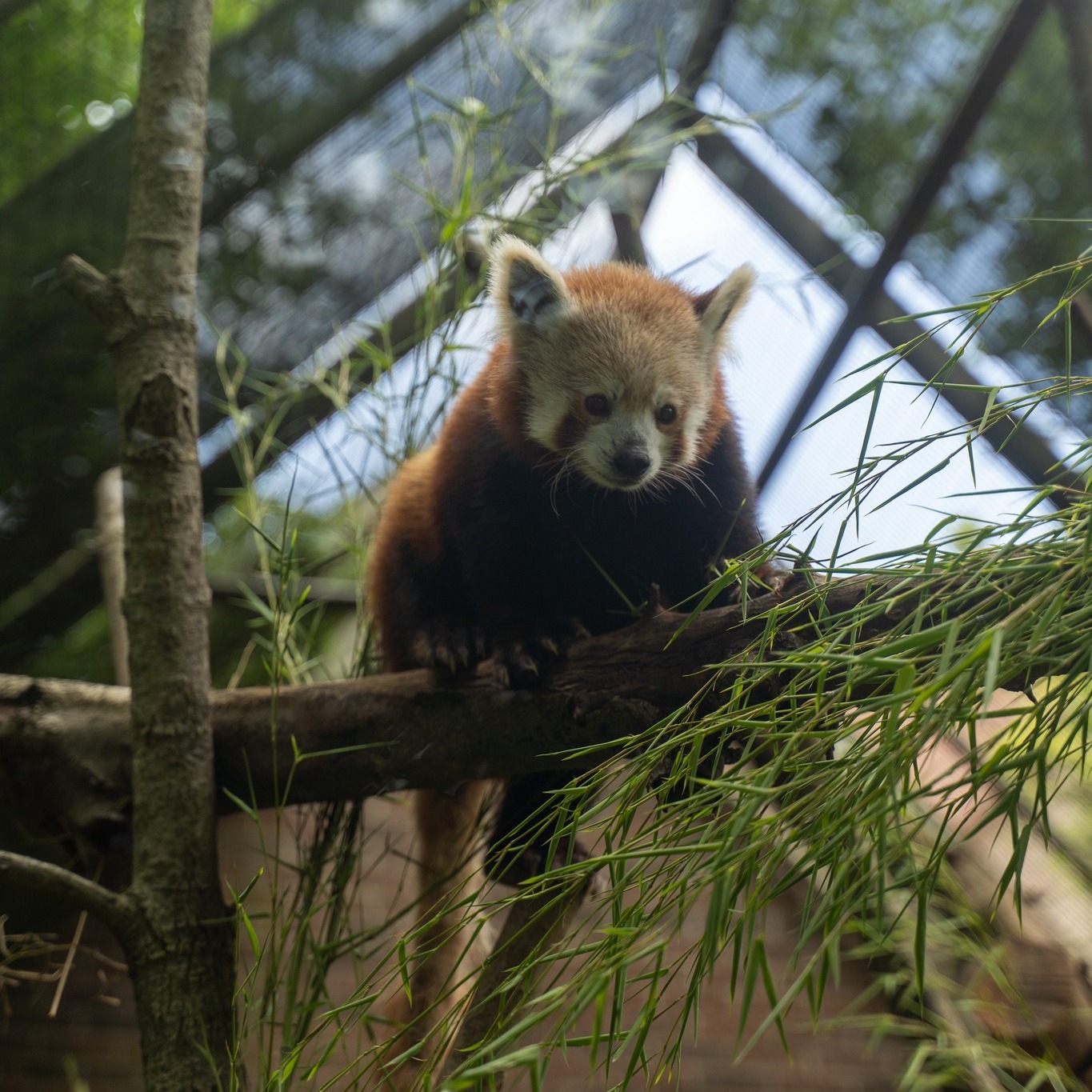
- The captivating biology and behavior of the red panda, highlighting its role in the ecosystem and its unique adaptations.
- Zoo management practices that support the welfare and conservation of red pandas in captivity.
- Current threats to red panda populations in the wild and efforts being made to combat these challenges through conservation initiatives.
- The role of community involvement and education in the preservation of red pandas and other endangered species.
- Technological advancements and research methodologies contributing to the understanding and protection of red pandas.
Red pandas, with their striking reddish-brown fur and bushy tails, are instantly recognizable, yet their biology and role within their ecosystem remain less understood. These enchanting creatures, native to the eastern Himalayas and southwestern China, are the sole members of their family, Ailuridae. Their anatomical and physiological adaptations are specifically designed for a life in temperate forests, where bamboo forms the core of their diet. Red pandas have a "false thumb," an extended wrist bone aiding in grasping bamboo, reflecting a fascinating evolutionary adaptation shared with the giant panda.
Their solitary and crepuscular nature, active primarily at dawn and dusk, enables them to avoid larger predators. With specialized behaviors such as scent marking and complex vocalizations, they navigate their territories. Understanding these behaviors enriches our knowledge of their ecological niche and the dynamics within their habitats. In an era where their natural environments are shrinking, red pandas play a crucial role in their ecosystems as seed dispersers and indicators of ecological health.
The management of red pandas within zoological settings requires meticulous attention to their dietary and habitat needs to promote physical and psychological well-being. Providing an environment that mimics their natural habitat is paramount. This includes creating complex enclosures that encourage natural behaviors such as climbing, foraging, and nesting. Implementing enrichment activities that stimulate their cognitive functions is crucial in preventing stereotypic behaviors and maintaining overall health.
Moreover, breeding programs in zoos are carefully coordinated to maintain genetic diversity among captive populations, contributing to global conservation efforts. These programs involve collaboration between institutions worldwide, using tools such as the Red Panda Species Survival Plan. This structured approach ensures that individuals in captivity can potentially support wild populations if reintroduction becomes necessary.
Red panda populations are currently threatened by habitat fragmentation, deforestation, and poaching. Illegal wildlife trade poses an additional risk, driven by the demand for their fur and the pet trade. Climate change further exacerbates these threats, altering their native habitats and food sources. Conservationists employ a range of strategies to confront these challenges, placing emphasis on creating and maintaining protected areas that bolster habitat connectivity.
Community-based conservation initiatives are vital in promoting local engagement and stewardship of natural resources. These programs often include alternative livelihood projects and environmental education, fostering partnerships that enhance habitat restoration efforts. Educating the public about the red panda’s plight is crucial in shifting perceptions and cultivating advocates for biodiversity.
Education and outreach play a significant role in red panda conservation. Through educational programs, people learn about the interconnectedness of species and the importance of conserving biodiversity as a whole. Zoos serve as educational platforms, offering engaging exhibits and interactive experiences that inspire conservation-minded attitudes. These efforts transcend traditional wildlife protection narratives by linking the fate of charismatic species to broader ecological and social considerations.
Technological advancements significantly contribute to the study and preservation of red pandas. Utilizing GPS collars and camera traps, researchers gain invaluable insights into their movement patterns, habitat use, and social behaviors. Genetic studies offer detailed information on population genetics, aiding in the design of effective breeding and reintroduction programs.
Innovative interventions, such as community-run anti-poaching patrols equipped with modern tracking technologies, enhance efforts to safeguard red panda populations against illegal activities. Continued research is vital to adapt conservation strategies to changing environmental conditions, ensuring sustainable futures for both red pandas and humans.
Red pandas hold an intrinsic value as representatives of unique evolutionary pathways, but their conservation extends beyond individual survival. It encompasses the preservation of entire ecosystems and biodiversity. This endeavor hinges on incorporating scientific research, community involvement, and education to foster global conservation partnerships. No longer confined solely to their native habitats, red pandas have become symbols of environmental stewardship and the delicate balance between human aspirations and natural world preservation.
*****
Source Description
You made it to Friday! Reward yourself with some red panda cuteness. 🐾🎉
