
- Understanding the Bilby Species
- The Role of Bilbies in Their Ecosystem
- Threats to the Greater Bilby
- Conservation Efforts and Strategies
- Celebrating National Bilby Day
The Bilby, known scientifically as Macrotis, is a fascinating genus that includes one of Australia’s most unique marsupials. Often referred to as rabbit-bandicoots due to its physical characteristics, the Bilby is a nocturnal animal that thrives in arid environments. They primarily inhabit desert regions of Australia, showcasing remarkable adaptations that allow them to survive in harsh conditions.
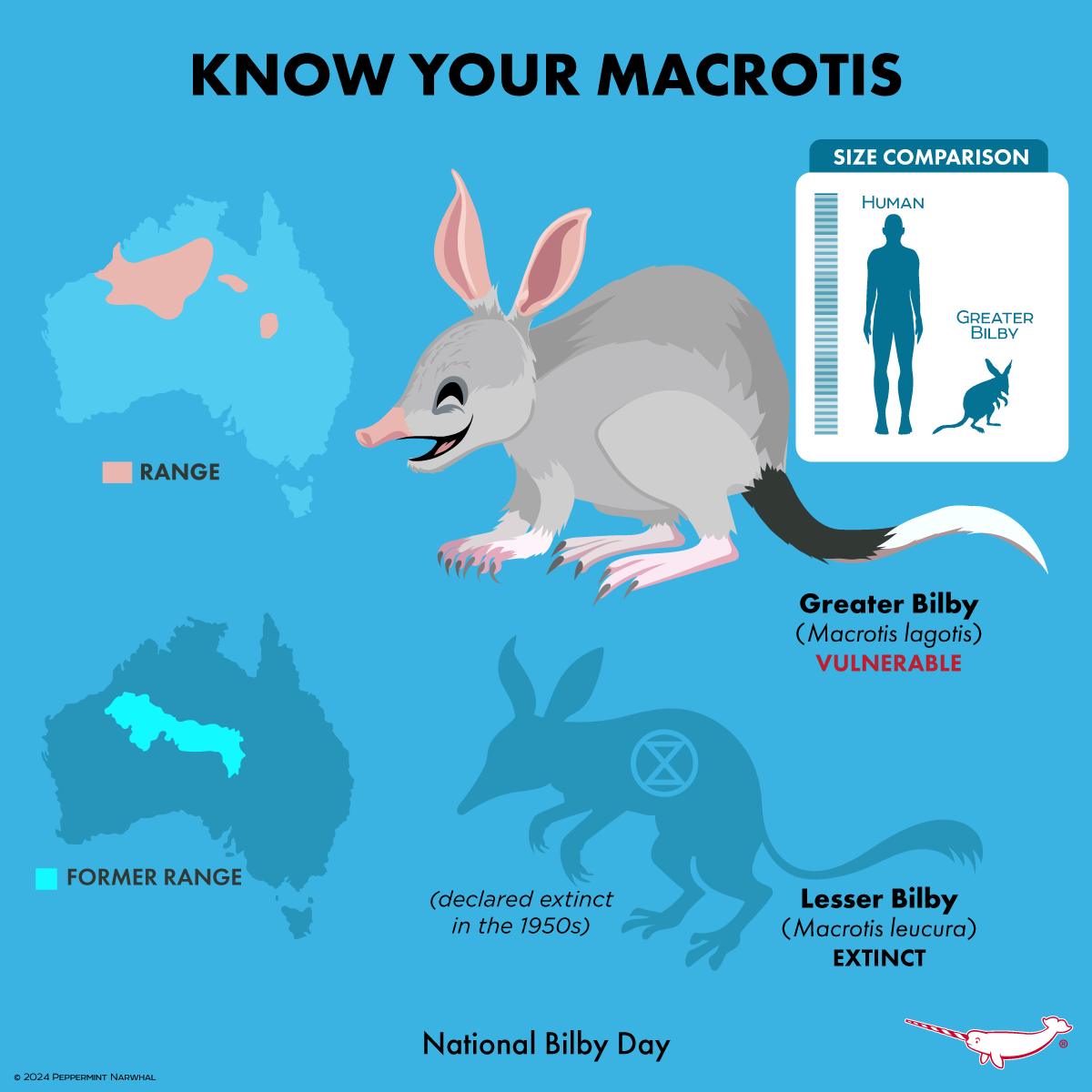
There are two species within this genus: the Greater Bilby (Macrotis lagotis) and the Lesser Bilby (Macrotis leucura). Unfortunately, the Lesser Bilby was declared extinct in 1950, while the Greater Bilby remains classified as vulnerable. Understanding these species provides insights into their ecological role and the conservation measures necessary for their survival.
The Greater Bilby is an important species in its natural habitat. It plays a vital role by aerating the soil through its digging activities, which helps to promote healthy vegetation growth. Their foraging habits facilitate seed dispersal essential for many native plant species. The relationship between the Bilby and its ecosystem is indicative of the intricate balance that sustains various forms of wildlife in Australia’s dry environments.
Despite their ecological significance, Bilbies face numerous threats, primarily due to human activities. The introduction of invasive species such as feral cats and rabbits has proven disastrous for the Greater Bilby. These predators not only compete for food resources but also pose direct threats to Bilby populations. Furthermore, habitat destruction resulting from agricultural expansion, urban development, and climate change exacerbate the struggles faced by this marsupial.
Conservation efforts have gained momentum in recent years, with various organizations dedicating time and resources to protect the Greater Bilby. Captive breeding programs and habitat restoration initiatives are critical to increasing population numbers. Community involvement in grassroots conservation projects has proven essential in raising awareness and expanding outreach efforts. Eco-tourism centered around the Bilby can also provide funding and education that further supports conservation missions.
As we celebrate National Bilby Day, it’s crucial to acknowledge the ongoing efforts needed to safeguard the future of this remarkable species. National Bilby Day is not only a celebration of these incredible animals but also a call to action for individuals to engage in conservation work actively.
The Greater Bilby serves as an excellent case study for the intersection of wildlife conservation, ecological balance, and human impact. A deeper understanding of its lifestyle, habitat needs, and threats can empower efforts to protect the species and its ecosystem.
The Bilby is easily identifiable by its large ears, long snout, and soft fur. Adaptations like these are vital for survival in harsh, dry habitats. Their keen sense of hearing helps them detect predators, and their digging ability enables them to find food and shelter. Bilbies primarily feed on insects, seeds, and bulbs, relying on their remarkable foraging abilities to sustain themselves.
In their ecosystems, Bilbies assume the role of secondary consumers. By preying on insects, they help control pest populations, contributing to the health of the ecosystem. Their foraging methods aerate the soil, promoting plant growth, which in turn supports other herbivores and the entire food web.
Invasive species pose a significant threat. The impact of non-native animals like feral cats is devastating. These predators prey on Bilbies, inhibiting population growth and contributing to their vulnerable status. Additionally, competition for food resources with animals like rabbits adds further stress to Bilby populations. Conservation biologists continue to study these dynamics to implement effective management strategies.
Habitat degradation further complicates the picture. Urban development and agricultural practices encroach on Bilby habitats, resulting in fragmentation that isolates populations. This isolation can impede genetic diversity, making it harder for the species to adapt to environmental changes. Climate change also presents challenges, as alterations in weather patterns can disrupt food availability and habitat suitability.
Efforts to conserve the Greater Bilby have gained traction among scientists, environmentalists, and the public. Captive breeding programs have emerged as a crucial avenue for bolstering population numbers. Organizations like the Australia Zoo and the Threatened Species Recovery Hub work diligently to breed Bilbies in controlled environments before reintroducing them into the wild. This allows for population recovery and ensures that the species does not vanish entirely.
Moreover, habitat restoration projects are vital. The regeneration of native vegetation helps create suitable living conditions for Bilbies. By replanting native flora and managing invasive plant species, conservationists strive to restore the delicate balance within ecosystems. Education and outreach programs serve to raise awareness, engage communities, and foster a sense of shared responsibility regarding conservation efforts.
National Bilby Day serves as an excellent opportunity to promote awareness about the Bilby, its plight, and conservation strategies. Various events are often organized at zoos, wildlife parks, and community centers to celebrate the Bilby, aiming to educate the public on its ecological importance. Schools often partake in activities related to Bilby Day, fostering a younger generation’s commitment to wildlife conservation.
The day serves as a reminder of the distinct challenges facing the Greater Bilby. Informational campaigns may include talks, workshops, and even art projects that raise awareness about the species. Fundraising events can help support local conservation efforts, ensuring that resources are available for ongoing projects.
Volunteering for organizations focused on Bilby conservation not only benefits the species but also connects individuals with nature in meaningful ways. Educational programs that direct the youth toward wildlife conservation lay the groundwork for a future generation of environmental stewards.
Celebrating National Bilby Day can inspire a profound appreciation for Australia’s wildlife and emphasize the interconnectedness of all species. By spotlighting the Greater Bilby, we bring attention to broader conservation topics, highlighting the importance of protecting biodiversity.
As we acknowledge the ecological significance of the Bilby, we also recognize our shared responsibilities. Individual actions, whether large or small, can contribute to a larger movement aimed at protecting threatened species. By learning about the challenges faced by the Bilby, we cultivate a greater respect for wildlife and a commitment to environmental preservation.
Understanding the journey of the Greater Bilby from its historical abundance to its current vulnerable status sheds light on the impact of human activities across ecosystems. This narrative emphasizes the necessity of collaborative conservation efforts and community involvement in wildlife protection.
It is essential to keep the spirit of National Bilby Day alive year-round, reminding ourselves that the efforts to protect wildlife and biodiversity must be ongoing. It is not enough to celebrate on a single day; active participation in conservation will ensure the survival of this remarkable species for future generations to admire.
The Bilby stands as a symbol of resilience amidst adversity. As we commit to safeguarding this species, we recognize the essential steps needed to protect not only Bilbies but also the various ecosystems they inhabit. The Greater Bilby’s journey illustrates the profound impact of combined efforts toward conservation.
Therefore, as we celebrate National Bilby Day, let us ignite the passion for conservation and strive to make a difference for the species that shares our planet. Through ongoing awareness and action, we can ensure a bright future for the Greater Bilby and the remarkable ecosystems it represents.
*****
Source Description
Happy National Bilby Day!
To celebrate, we thought it was time for you to Know Your Macrotis!
The Macrotis is the genus that contains Bilbies, also known as rabbit-bandicoots. These dessert dwelling animals are not related to rabbits at all, in fact, they are marsupials. There were two species, the Greater Bilby (Macrotis lagotis) and the Lesser Bilby (Macrotis leucura). Sadly the Lesser Bilby was declared extinct in 1950, less than 100 years after being discovered. The introduction of invasive predators and other animals that competed for its food source, along with habitat degradation, quickly pushed this species to extinction. Currently ,the Greater Bilby is all that remains and it is listed as vulnerable. If we want to protect this genus, continued conservation efforts will be needed. Now You Know Your Macrotis!
Primates Kickstarter – Pledge Now!
pnpins.com
2026 Animal Holiday Calendar – Now Shipping!
Shop
www.peppermintnarwhal.com
Int’l Shoppers visit our Etsy store:
www.etsy.com/shop/PeppermintNarwhal
