
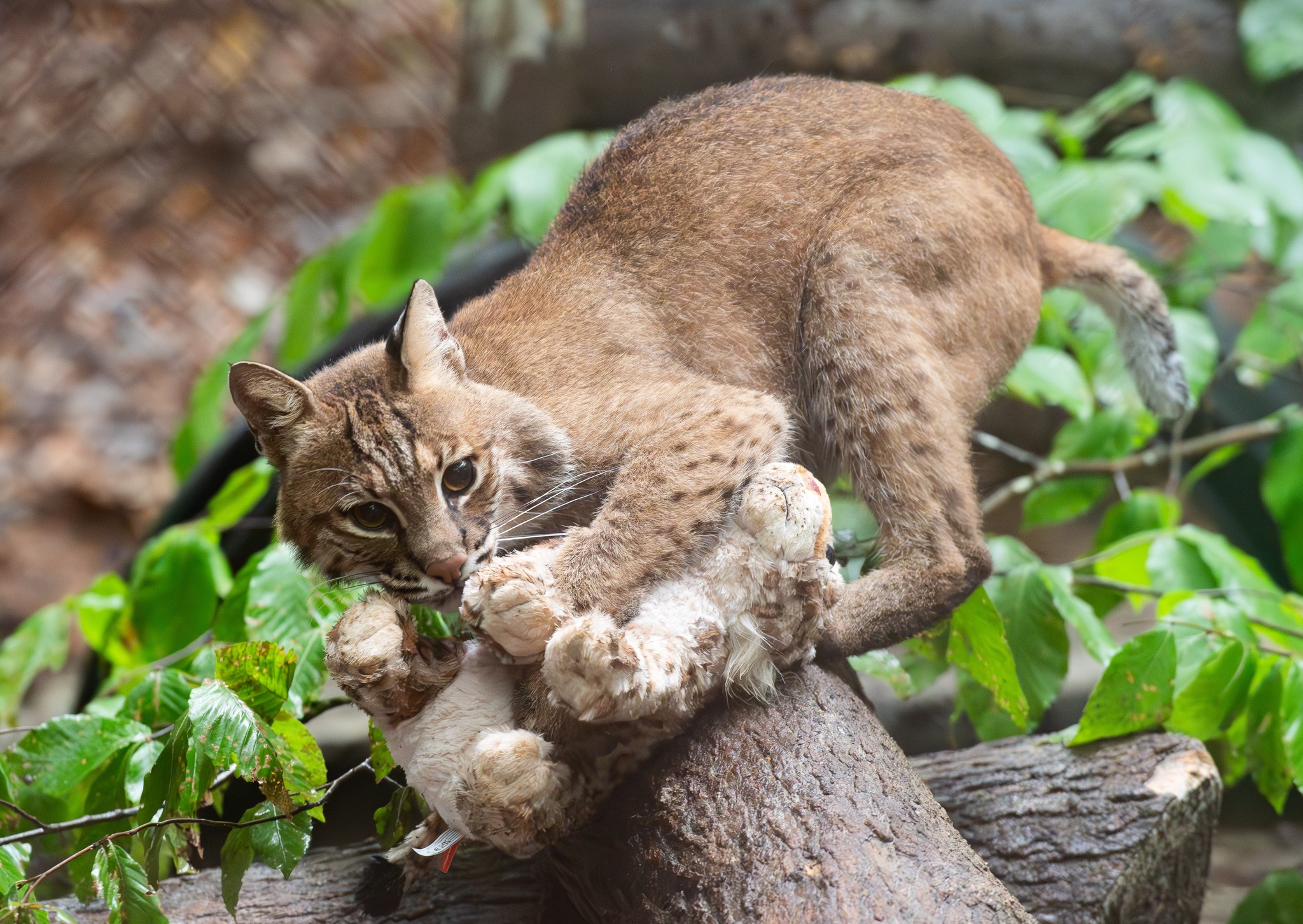
- The biological characteristics and behaviors of bobcats
- The habitat and geographical range of bobcats
- The conservation status and threats facing bobcats
- The role of zoos and wildlife parks in bobcat conservation
- Celebrating National Bobcat Day and its implications for wildlife awareness
Happy National Bobcat Day! This occasion highlights the fascinating life of the bobcat, a remarkable predator native to North America. Bobcats (Lynx rufus) are not only known for their distinctive appearance and adaptability but also for their crucial role in the ecosystem. As we take this day to appreciate these amazing animals, it’s essential to understand their biology, habitat, conservation status, and the role that institutions like the Virginia Living Museum play in their protection.
Bobcats are medium-sized felines that possess several physical traits that make them effective hunters. Their fur ranges in color from light brown to reddish-tan, adorned with dark spots that enable them to blend seamlessly into their surroundings. Adult bobcats typically weigh between 15 to 30 pounds, with males usually larger than females. They also exhibit a unique tuft of hair at the tips of their ears and a short tail, which is characteristic of the species.
In terms of behavior, bobcats are solitary creatures. They have excellent agility, capable of running up to 30 miles per hour in short bursts, particularly while chasing prey. They are primarily nocturnal, although some may be active during the day, especially in areas with lower human disturbance. Bobcats rely on a keen sense of hearing and sight to locate their prey, taking advantage of their stealthy approach to pounce on animals such as rabbits, birds, and rodents. Their hunting strategy includes sitting quietly, observing, and waiting for the perfect moment to strike.
Understanding the habitat and geographical range of bobcats sheds light on how adaptable these creatures are. Found across most of North America, bobcats inhabit diverse environments, ranging from forests and swamps to deserts and urban areas. Their adaptability to various terrains has allowed them to thrive in areas with different climates and human developments. The general preference for wooded areas and strong cover allows bobcats to hunt effectively while also providing protection from larger predators.
Despite their resilience, bobcats face several threats that impact their populations. Habitat loss due to urbanization, agriculture, and deforestation has significantly reduced the natural environments where bobcats thrive. Additionally, they are sometimes targeted by hunters and may fall victim to vehicle collisions on roads. The encroachment of human activity has also heightened the risk of disease transmission among wildlife. Understanding these challenges is crucial for educating communities about the importance of conservation efforts.
Organizations such as the Virginia Living Museum play a pivotal role in bobcat conservation. The museum provides a safe haven for their resident bobcat, Sarge, who serves as an ambassador for his species. Facilities like this engage in educational programs that raise awareness about the ecological role of bobcats and promote the preservation of their habitats. By symbolically adopting a bobcat, individuals can contribute to the care and well-being of these animals while supporting broader conservation initiatives.
National Bobcat Day serves as a reminder of the intrinsic value of wildlife conservation. This celebration fosters a greater appreciation for bobcats as part of our natural heritage. By drawing attention to their characteristics and behaviors, we can inspire a collective commitment to protecting their habitats and ensuring their survival for future generations.
As bobcats are often perceived as elusive creatures rarely seen by the average person, public education holds the key to fostering respect and understanding for these animals. Increased awareness can drive advocacy, encouraging individuals to participate in local efforts aimed at habitat protection, wildlife corridor development, and responsible land-use policies.
One of the compelling aspects of bobcats is their adaptability. They can thrive in both rural and suburban environments, which allows them to coexist with humans. This adaptability underscores the importance of developing coexistence strategies that minimize conflicts between bobcats and people. Simple measures such as proper pet management, closing off access to potential food sources, and responsible wildlife viewing practices can go a long way in protecting bobcats and ensuring human safety.
With the changing landscape of North America due to urban expansion, monitoring bobcat populations and movements has become increasingly important. Biologists utilize various tracking methods to assess bobcat health, behaviors, and interactions with other wildlife species. This research helps inform management decisions aimed at conserving key habitats and understanding the ecological roles of these cats within their ecosystems.
Each bobcat also plays a role in controlling prey populations, which contributes to a balanced ecosystem. As apex predators, they help regulate the populations of smaller mammals, thereby reducing overgrazing and promoting healthy plant communities. Through initiatives aimed at conserving bobcats, we simultaneously support the well-being of entire ecosystems.
As you celebrate National Bobcat Day, engage with local wildlife organizations and zoos to learn more about these captivating animals. Participating in educational events, visiting wildlife exhibits, or even simply spreading information can amplify the importance of wildlife conservation.
Becoming an informed advocate for bobcats not only enriches your understanding of these creatures but also empowers you to take action. Whether through direct support of wildlife initiatives or by voicing your appreciation for healthy ecosystems, every effort matters in the collective conservation landscape. As we reflect on the singular beauty and ecological importance of bobcats, let’s continue to foster a culture of environmental stewardship.
The Virginia Living Museum’s commitment to conservation extends beyond its resident bobcat, Sarge. Through various programs and outreach efforts, the institution works tirelessly to create awareness about wildlife, habitat preservation, and the importance of biodiversity. Exciting developments in bobcat habitat enrichment are on the horizon, which will further enhance the living experience for their resident animals.
By participating in National Bobcat Day activities, you’re contributing to vital conversations about wildlife conservation. Whether you choose to adopt a bobcat or simply share knowledge with friends and family, you are part of a much larger movement dedicated to preserving our planet’s biodiversity.
Bobcats are more than just a symbol of wilderness; they encapsulate the intricate relationships that sustain our ecosystems. By understanding their biology, appreciating their role in nature, and advocating for their protection, we align ourselves with a future that respects and preserves wildlife. This National Bobcat Day, let’s celebrate not just bobcats but the entire web of life they represent. Share their story, support their habitat, and contribute to a thriving natural world for generations to come.
*****
Source Description
🐾 Happy National Bobcat Day! 🐾
Did you know…
✨ Bobcats can run up to 30 miles per hour—making them one of North America’s stealthiest hunters!
✨ They’re found across most of North America and adapt well to many different habitats.
✨ Despite their wild nature, bobcats are shy and rarely seen by people.
Here at the Virginia Living Museum, our resident bobcat Sarge is a crowd favorite! You can support his care and help us continue providing him with a safe, enriching home by symbolically adopting him today: https://thevlm.org/support/adopt-a-wild-thing/
And stay tuned… we have some exciting news coming soon about our bobcat habitat that you won’t want to miss! 👀🐾
