
- Importance of Zookeeping in Wildlife Conservation
- Day-to-Day Responsibilities of Zookeepers
- The Bonds Between Zookeepers and Animals
- Educational Value of Zookeeper Appreciation Day
- The Role of Zoo Guests in Supporting Conservation Efforts
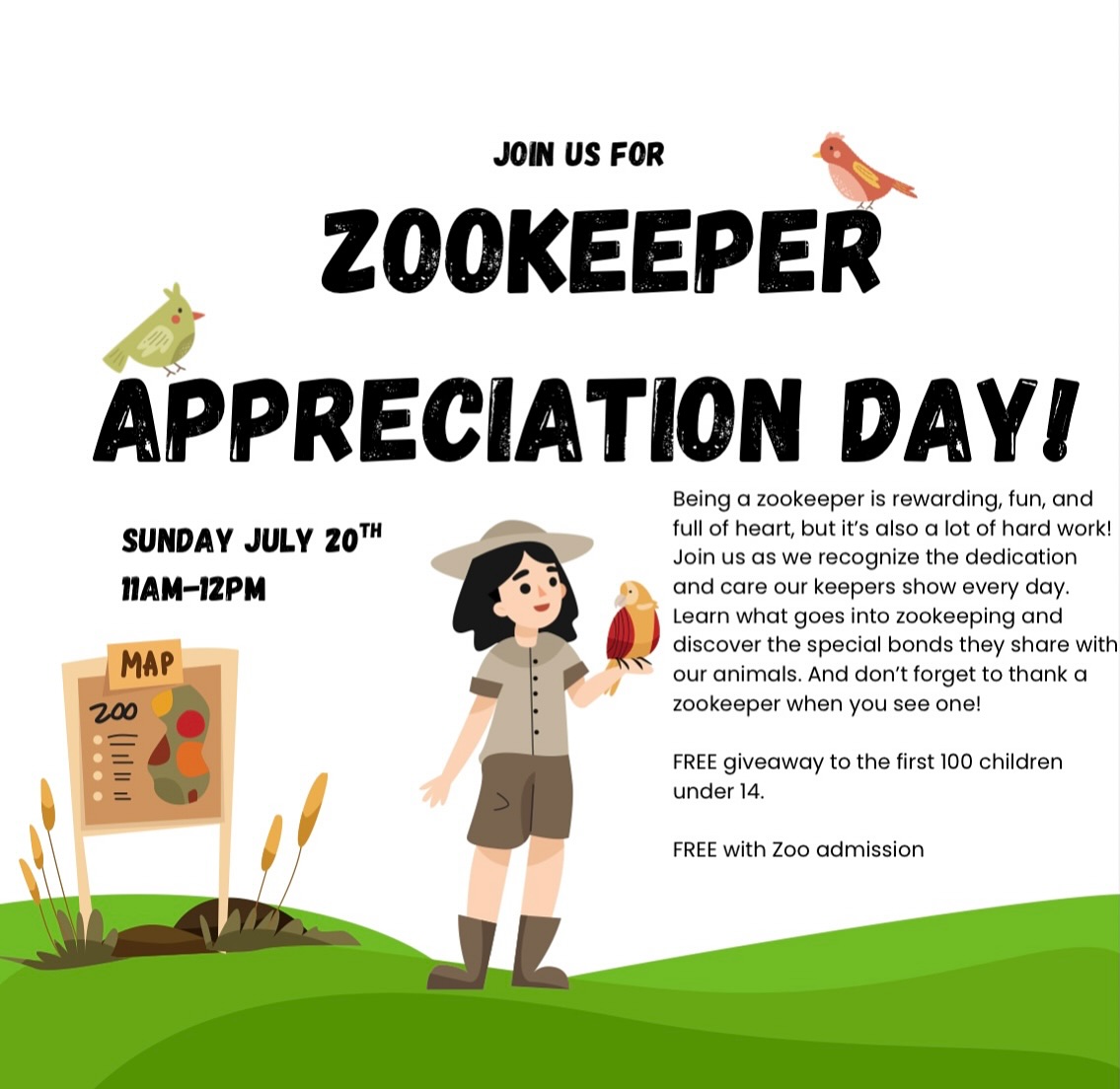
Being a zookeeper goes far beyond the traditional view of just feeding animals. Their work plays a vital role in wildlife conservation, ensuring species survival, enhancing educational outreach, and fostering a connection between the public and nature. Zookeepers operate in a dynamic environment where their skills are continually put to the test. The Zookeeper Appreciation Day, happening on July 20th at NYC’s largest little zoo, provides an exceptional opportunity to delve into the myriad responsibilities, challenges, and joys associated with zookeeping.
The importance of zookeeping in wildlife conservation cannot be overstated. Modern zoos facilitate breeding programs for endangered species, allowing for a controlled genetic diversity that helps populations thrive. This practice can aid in reintroducing animals once they have been threatened or eradicated in their native habitats. Zoos act as genetic reservoirs, ensuring that genetic material is preserved. This is crucial as many species face habitat loss, poaching, and climate change. Zookeepers play a pivotal role in coordinating these breeding programs, making decisions that can affect the survival of an entire species.
Day-to-day responsibilities for zookeepers are varying and multifaceted. Feeding animals is just one aspect of their routine; they also monitor the animals’ health and behaviors, clean habitats, and prepare enrichment activities that promote natural behaviors. This regular engagement is critical to keeping animals physically and mentally stimulated. Activities might include hiding food in a way that encourages foraging or providing objects for animals to play with. These tasks require a deep understanding of various species and their specific needs, making zookeeping both a science and an art.
Moreover, zookeepers engage in record-keeping, documenting everything from dietary intake to breeding patterns. This information is essential for maintaining the health of the zoo’s inhabitants and supports broader conservation efforts. By tracking data over time, zookeepers can identify trends that inform future care and management strategies. Furthermore, zookeepers participate in public education, assisting in guided tours and educational programs that highlight the importance of species conservation. Through these initiatives, they share knowledge about threats facing wildlife and inspire zoo guests to become advocates for environmental stewardship.
The special bonds that zookeepers form with animals contribute to both the animals’ well-being and the zookeepers’ fulfillment. Animals may recognize their keepers and respond positively to their presence, reflecting the quality of care they receive. This relationship fosters trust, which is crucial for daily handling and medical procedures. Zookeepers often rely on animal behavior to gauge health and stress levels. Their intricate understanding allows them to identify when an animal is feeling unwell or stressed, leading to timely interventions.
Zookeeper Appreciation Day serves as an educational platform while celebrating these crucial relationships. Zoo guests have the chance to meet zookeepers, ask questions, and learn more about the complexities of animal care. Such interactions humanize the experience and foster a deeper understanding of the challenges involved in wildlife management. Guests will not only leave with a sense of appreciation for the zookeepers’ hard work but also with a strengthened commitment to conservation efforts.
The involvement of zoo guests is vital for the sustainability of zoo operations as well as broader conservation initiatives. Visitor admissions often fund animal care, habitat improvements, and educational programs. By attending Zookeeper Appreciation Day, guests can contribute to a culture of recognition and respect for these dedicated professionals. Moreover, interactions with zookeepers empower guests to become informed advocates for wildlife conservation. They learn how their actions, whether through responsible consumer choices or local conservation efforts, can impact species and ecosystems.
Additionally, the value of community support in zoos cannot be emphasized enough. Events like Zookeeper Appreciation Day allow patrons to see the inner workings of animal care. This transparency fosters trust and encourages a shared vision of conservation. The more people understand the importance of animal care and the threats faced by wildlife, the more likely they are to support initiatives that protect species and their habitats.
This year, the first 100 children under 14 will receive a free giveaway, adding an element of excitement to the event. This gesture not only promotes attendance but also introduces young minds to the importance of zookeeping and conservation. Engaging kids early in these discussions sets the foundation for a generation that values wildlife and understands the need for responsible stewardship of our natural world.
In summary, Zookeeper Appreciation Day serves as more than just an event; it represents a unique opportunity to bridge the gap between human attitudes and wildlife conservation. Through educational engagement, personal interactions, and hands-on experiences, both zookeepers and guests can share a renewed respect for wildlife and the indispensable role that zoos play in their preservation. The dedication of zookeepers shines through not only in their daily tasks but also through the lasting impact they have on public understanding of conservation. Through events like these, the public is invited to participate in a broader conversation about preservation efforts, making every visit to the zoo a pivotal moment in the fight against extinction.
Together, let us celebrate these exceptional individuals who devote their lives to the care of animals, while also instilling in visitors a sense of responsibility and knowledge about environmental stewardship. Join in the festivities this July 20th from 11 AM to 2 PM at NYC’s largest little zoo, and be a part of a day dedicated to honoring the invaluable contributions zookeepers make each day. See you there!
*****
Source Description
Let’s kick off National Zookeeper Week the right way — by appreciating them with our amazing zoo guests. Join us this Sunday, July 20th from 11AM–2PM for Zookeeper Appreciation Day at NYC’s BIGGEST little Zoo.
Being a zookeeper is fun, rewarding, and full of heart — but also a ton of hard work. Come celebrate the incredible team who care for our animals every single day. Meet the keepers, learn what zookeeping is really like, and discover the special bonds they share with the animals.
Free giveaway to the first 100 children under 14. Included with Zoo admission.
See you there!
