
- National Zookeeper Week: History and Significance
- The Role of Zookeepers in Conservation
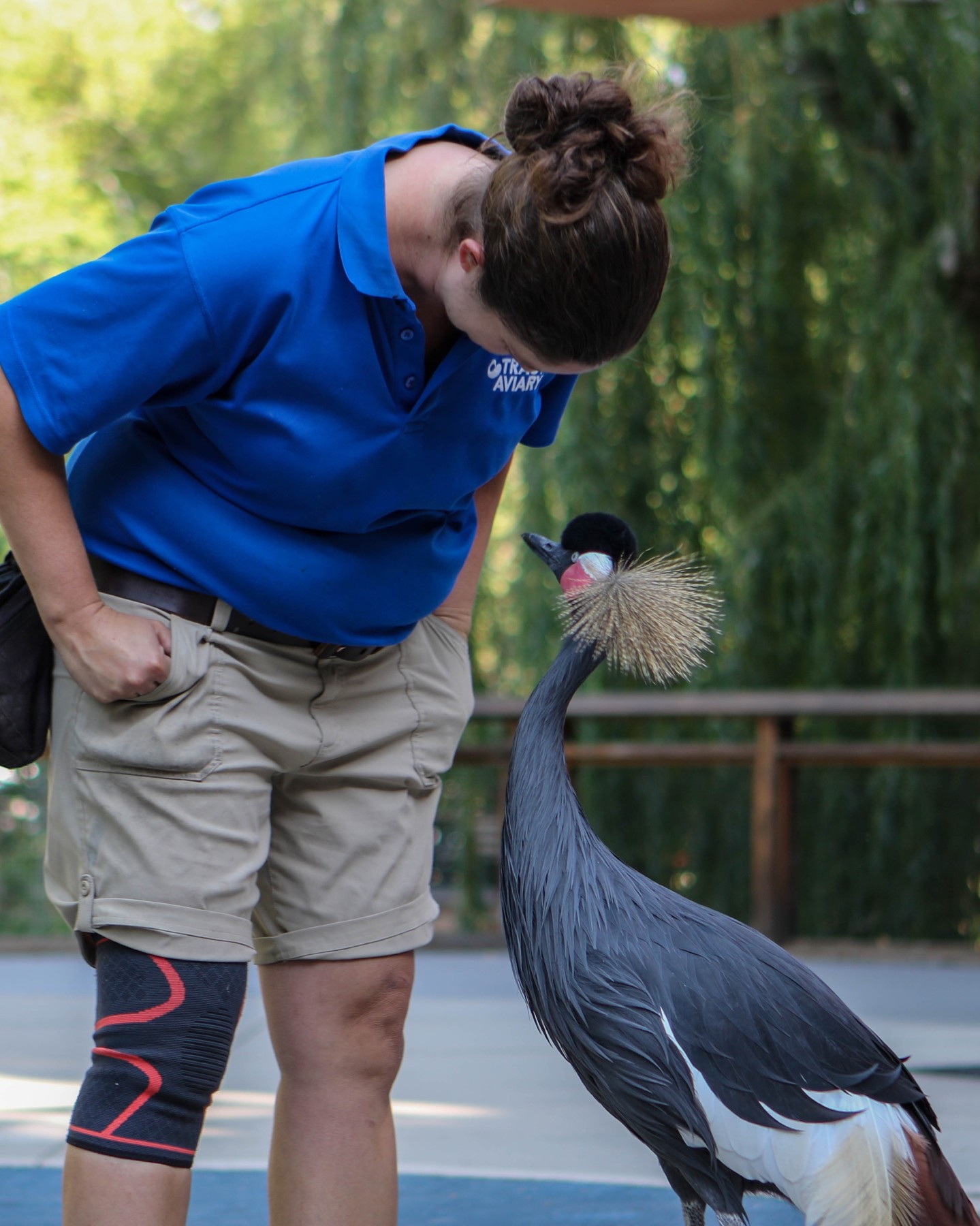
- Spotlight on Bird Care Staff
- Skills and Training Required for Zookeepers
- Community Engagement and Education
National Zookeeper Week is celebrated every year from July 20th through the 26th, recognizing the essential contributions of zookeepers worldwide. This week serves to honor those dedicated professionals who work tirelessly to care for and nurture wildlife while promoting conservation and education. It is particularly meaningful to highlight the roles of specialized staff, such as those who focus on avian care. During this week, zoos and wildlife centers take the opportunity to celebrate their passionate bird care teams, drawing attention to the meticulous work they perform for the well-being of their feathered charges.
The history of National Zookeeper Week is rooted in raising awareness about the important roles that zookeepers play, not just in animal care but also in conservation practices and public education. Established by the American Association of Zoo Keepers (AAZK) in 2001, this week encourages zoos to engage the public and share insights into the day-to-day responsibilities of zookeepers. The celebration also fosters a deeper understanding of wildlife conservation efforts. By acknowledging the skilled professionals behind the scenes, zoos can also raise awareness about issues such as habitat destruction, climate change, and the illegal wildlife trade that threaten animal populations.
Zoo professionals are often involved in conservation work extending beyond the confines of their facilities. Many zookeepers participate in field studies, breeding programs, and habitat restoration projects aimed at protecting endangered species. They are the frontline workers in promoting biodiversity by providing essential knowledge about the animals under their care. This week highlights that zookeepers are not just caretakers but also advocates for animals and contributors to significant conservation initiatives.
Focusing on the avian staff specifically, their expertise is essential in maintaining the health and happiness of diverse bird species. Birds play critical roles in ecosystems, from pollination to seed dispersal, making their well-being important to biodiversity. Bird care staff have specialized training in handling and caring for various species, understanding their social needs, dietary requirements, and behavioral patterns. This attention to detail is crucial for managing the complexities of avian health, including preventative care and enrichment activities that stimulate their physical and mental well-being.
The skills required for zookeepers vary but often include knowledge of animal behavior, nutrition, and health care. Zookeepers typically hold degrees in zoology, biology, or animal science. They undergo rigorous training programs, which include hands-on experience working with different species. Understanding the specific needs of birds, for instance, often entails training in avian anatomy, the effects of social structures, and disease management. Bird care staff often remain vigilant for signs of stress or illness, as even small behavioral shifts can indicate underlying health issues.
Communication skills are also vital. Zookeepers frequently interact with the public, providing educational information and dispelling myths about various animal species. Engaging with visitors enhances their appreciation of wildlife and fosters a sense of stewardship for conservation efforts. Through demonstrations and educational programs, zookeepers have the opportunity to inspire future generations about the importance of wildlife preservation.
In addition to public interaction, zookeepers also collaborate with veterinarians on health assessments and treatments. This comprehensive approach ensures that animals receive the best care possible, facilitating both their physical and psychological health. The multi-disciplinary nature of zookeeping promotes a collaborative environment where professionals continually learn from one another. This framework is vital for addressing challenges faced in animal care and conservation.
Community engagement forms another cornerstone of zookeeper work. During National Zookeeper Week, zoos enhance their outreach through special events and activities aimed at connecting people with wildlife. Programs may include behind-the-scenes tours, bird shows, or educational seminars focusing on conservation challenges specific to avian species. These activities not only serve to entertain but also educate visitors about the importance of maintaining biodiversity and protecting critical habitats.
The bird care staff significantly contributes to these outreach efforts. They provide firsthand insights into the complexities of avian care, inspiring visitors to appreciate and respect birds and their habitats. By sharing stories about individual animals, staff can form emotional connections with the public, fostering a sense of responsibility toward wildlife conservation.
Successful conservation efforts rest on a foundation of public knowledge and support. Zookeepers play a pivotal role in shaping public perceptions of wildlife. Initiatives like National Zookeeper Week remind people of the beauty and fragility of ecosystems. Highlighting the dedication of bird care staff during this celebration enables visitors to recognize the commitment involved in such work.
Furthermore, fostering a passion for birds can lead to direct action. Those inspired to protect avian species may become advocates, participate in citizen science projects, or support conservation organizations. This ripple effect underscores the importance of celebrating National Zookeeper Week, as it brings attention not only to the dedicated work of zookeepers but also to the broader mission of wildlife conservation.
As species face increasing threats from habitat loss, climate change, and illegal trafficking, the roles of zookeepers become ever more crucial. The bird care staff is often on the front lines of conservation, involved in breeding programs aimed at reintroducing endangered species back into their natural habitats. These programs are grounded in extensive scientific research, with zookeepers collaborating with conservation groups to manage species populations effectively.
In addition to breeding programs, zookeepers contribute to research initiatives that enhance our understanding of birds in their natural environments. Monitoring behaviors, migration patterns, and breeding success rates provides critical data that informs conservation strategies on a global scale. This knowledge not only impacts individual species but also helps to address broader ecological issues that affect various habitats.
For those interested in pursuing a career in zookeeping, understanding the educational pathways and training involved is important. While a degree in a relevant field is often essential, gaining experience through internships or volunteer programs can significantly enhance one’s qualifications. This hands-on experience allows aspiring zookeepers to familiarize themselves with animal care routines, safety protocols, and public education efforts while building valuable skills that can be applied in the field.
Networking within the zoological community can also open doors for career advancement. Professional organizations, such as the AAZK, provide resources and support for ongoing education and training. Staying updated with advancements in animal care science, conservation practices, and public engagement techniques ensures that zookeepers remain effective advocates for wildlife.
While National Zookeeper Week shines a light on the vital roles zookeepers play in conservation, it also highlights the importance of their relationships with the animals they care for. Maintaining a positive, enriching environment for birds is not just about health—it’s about fostering their natural behaviors and encouraging social interactions. Zookeepers routinely innovate in terms of dietary options, environment enrichment, and social structures to create spaces where birds can thrive.
Environmental enrichment is a focus of bird care staff. This practice includes providing toys, varied diets, and social interaction opportunities to mimic natural conditions. Such activities stimulate mental engagement and prevent stereotypical behaviors often seen in captive animals. Careful observation allows zookeepers to adapt these enrichment strategies according to individual needs, ensuring that each bird’s psychological well-being is met.
As National Zookeeper Week unfolds, zoos and wildlife centers will continue highlighting the profound impact that zookeepers have on wildlife conservation and education. Through their dedication, passion, and knowledge, these professionals contribute significantly to safeguarding animal populations and inspiring the next generation of conservationists.
Interactions with the public are vital for informing communities about the challenges animals face and the importance of supporting conservation efforts. When people witness firsthand the relationships zookeepers have with birds, it humanizes the effort involved in wildlife conservation. Recognizing the dedication of the bird care staff not only honors their hard work but also encourages a more scientifically informed and compassionate society.
Celebrating National Zookeeper Week is a reminder of the interconnectedness between humans and wildlife, highlighting our responsibility to preserve the delicate balance of nature. It’s a call to appreciate and protect the animals with whom we share the planet. By recognizing the roles of zookeepers, especially those specializing in bird care, we enhance our understanding of conservation and promote a future where wildlife can thrive.
*****
Source Description
From July 20th through the 26th we are celebrating National Zookeeper Week! ✨
During this time we are highlighting our amazing bird care staff who work directly with our flock everyday. Their passion and hard work is what keeps our flock happy and healthy. If you happen to see any of our bird care staff, be sure to say hello and celebrate them! 🎉
