
- Introduction to Happy World Reef Day and its significance.
- The ecological importance of coral reefs and the threats they face.
- Human activities contributing to reef degradation and solutions.
- Spotlight on the Indo-Pacific Reef and its diverse species.
- Educational and conservation initiatives to save coral reefs.
Happy World Reef Day is a global event aimed at raising awareness about the vital ecosystems of coral reefs and the growing threats they face. Celebrated annually, it serves as a call to action for individuals, communities, and governments to prioritize the protection and restoration of these marine treasures. As the global community comes together to observe this day, it allows us the opportunity to reflect on the actions necessary to conserve these ecosystems for future generations.
Coral reefs are often referred to as the nurseries of the ocean. They support about 25% of all marine species, providing a habitat for a diverse array of organisms. These ecosystems, although covering less than 1% of the ocean floor, are incredibly rich in biodiversity. Coral reefs also offer vital services to human populations, including coastal protection from storms and erosion, sources of food, and opportunities for tourism and recreation.
Unfortunately, coral reefs are under immense pressure from climate change, rising ocean temperatures, coral bleaching, and ocean acidification. Coral bleaching occurs when corals, stressed by temperature changes, expel the symbiotic algae living within them. Without the algae, corals turn white and, if the conditions persist, may die, leading to a decline in reef health. Ocean acidification, another byproduct of increased carbon dioxide levels, weakens coral skeletons, making it difficult for reefs to grow and regenerate.
Human activities contribute significantly to the degradation of coral reefs. Overfishing, coastal development, and pollution are major culprits. Additionally, unsustainable tourism practices can cause physical damage to reefs. To combat these issues, changes in human behavior are crucial. Sustainable fishing practices, regulations on coastal development, and reducing carbon emissions are vital steps toward reef conservation.
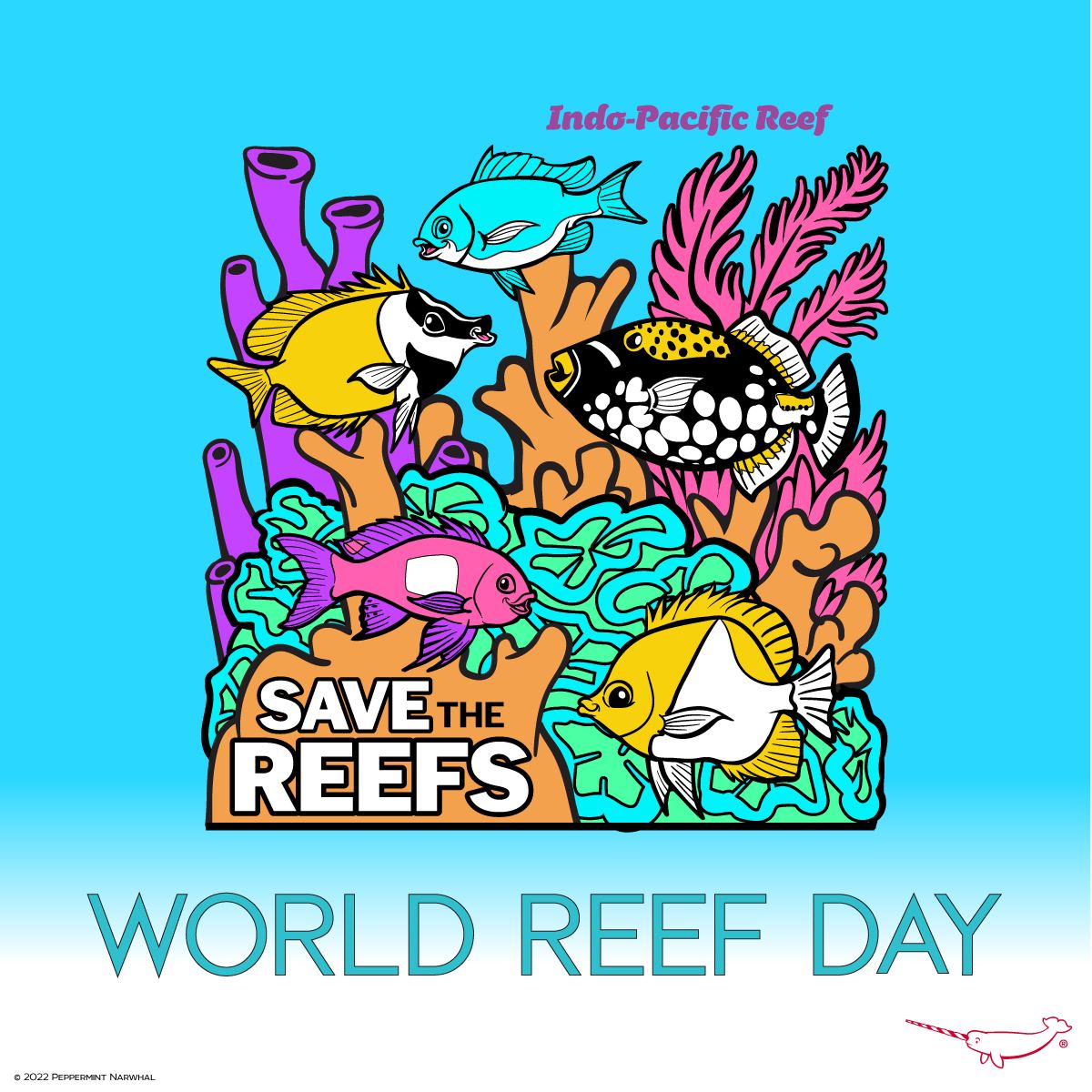
The Indo-Pacific Reef is a region showcasing the immense diversity of coral ecosystems. Home to species like the Blue-Green Chromis, Foxface Rabbitfish, Clown Triggerfish, and Yellow Pyramid Butterflyfish, it represents the vibrant life that coral reefs support. Invertebrates like the Rounded Tube Sponge and the Gorgonian Sea Fan further highlight the ecosystem’s complexity. Each species plays a role in maintaining the delicate balance of the reef’s environment.
Efforts to protect and recover coral reefs are multifaceted. Enforcing marine protected areas (MPAs), restoring damaged reefs through coral gardening, and educating the public on sustainable practices are some of the initiatives in place. Engaging local communities in conservation efforts ensures that actions are culturally and socially appropriate while tapping into local knowledge and resources.
Organizations and businesses are also playing a part in spreading awareness. For example, retailers like Peppermint Narwhal offer merchandise with reef imagery, encouraging conversations about reef conservation. Wearing these items can prompt discussions about the importance of saving reefs, fostering a community dedicated to environmental stewardship.
Happy World Reef Day highlights the necessity of global collaboration to ensure the survival of coral reefs. Collectively, our actions can lead to significant positive impacts on these ecosystems. By understanding the challenges and championing the changes needed, we can safeguard the future of coral reefs and the myriad of life they support.
*****
Source Description
Happy World Reef Day!
Save the Reefs! Many coral reefs around the world, like the IndoPacific Reef illustrated here, are suffering from rising ocean temperatures, coral bleach, and ocean acidification brought on by climate change. Recovering our world’s reefs will require a lot of changes in human behavior, as these stressors are directly related to our activity. Reefs benefit us in many ways including being an imporant nursery of the oceans, protecting our shorelines from erosion and storm damage and are considered to be the most biologically diverse ecosystems in the ocean. So let’s all do our part to SAVE THE REEFS!
Indo Pacific Reef – here is a list of the animals in this graphic.
REEF FISH: Blue-Green Chromis (top)�Foxface Rabbitfish (top left), Clown Triggerfish (top right), Squarespot Anthias (lower left),�& Yellow Pyramid Butterflyfish (lower right)
Invertebrates: Rounded Tube Sponge (purple), Fox Coral (blue-green), Net Fire Coral (orange), & Gorgonian Sea Fan (pink)
Like this art, it i available as an enamel pin. Wear it proudly and help start a conversation on the importance of saving our reefs.
SAVE THE REEFS MERCH: https://www.peppermintnarwhal.com/s/search?q=save%20the
Shop
www.peppermintnarwhal.com
International Shoppers (outside of the USA and Canada) visit our store on Etsy:
www.etsy.com/shop/PeppermintNarwhal
