
- Introduction to the Axolotl and Its Significance
- Biological Characteristics and Diet of Axolotls
- Conservation Status and Threats to Their Survival
- Importance of Zoos in Wildlife Conservation
- Celebration of Hatchlings and Public Engagement
The axolotl, a critically endangered salamander species, has recently welcomed six hatchlings at the Zoo. This exciting development is not just a moment of joy for zoo visitors but also a significant focal point for wildlife conservation efforts. Endemic to Mexico, axolotls are an intriguing species, renowned for their unique biology and behavior, making them a favorite among zoo-goers and conservationists alike.
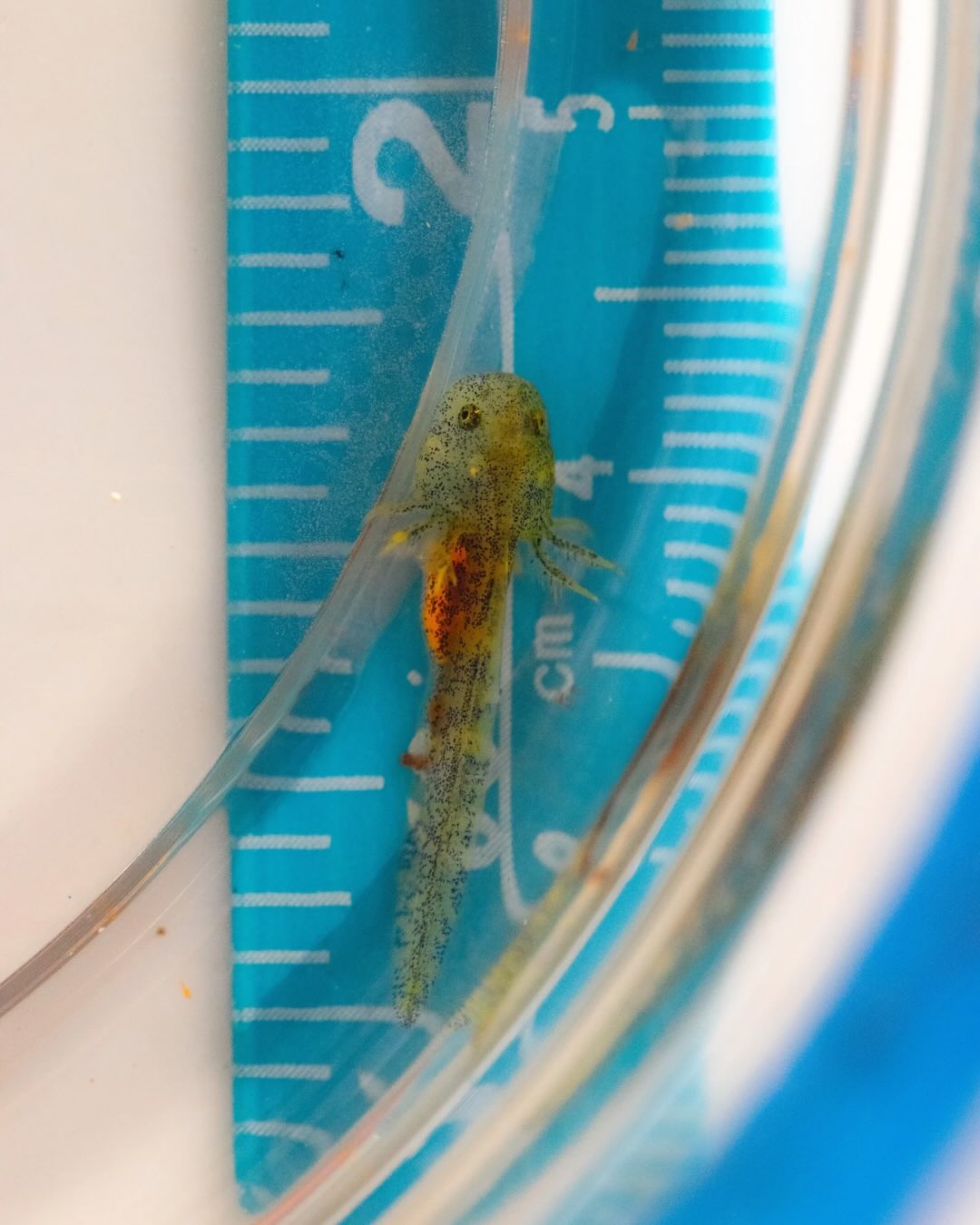
Axolotls display vibrant, glowing pink bellies, especially when nourished with brine shrimp, forming a crucial part of their diet at this early life stage. This coloration is not just visually captivating; it also serves as an indicator of their health and well-being.
The biological characteristics of axolotls make them fascinating subjects for study. These amphibians possess a remarkable ability to regenerate lost limbs and even vital organs. This regenerative capability is attributed to specialized cells known as neoblasts, which can transform into various cell types. Understanding this process has potential applications in regenerative medicine, attracting scientists’ attention worldwide.
Axolotls are neotenic, meaning that they retain juvenile features throughout their adult lives. This characteristic includes their external gills, which resemble feathery structures protruding from the sides of their heads. These gills play a crucial role in respiration, allowing the axolotl to absorb oxygen directly from the water.
In addition to their physical attributes, the diet of axolotls comprises small aquatic organisms such as brine shrimp, worms, and insect larvae. Their feeding habits are essential for their growth and development, particularly in the hatchling stage. When well-fed, the hatchlings exhibit pronounced pink bellies, a delightful sight for zoo visitors.
Despite their resilience, axolotls are classified as critically endangered due to habitat loss and pollution. They inhabit the lakes and canals of Mexico City, an area facing severe environmental challenges. Urbanization has led to the destruction of their natural habitat, making conservation efforts vital for their survival. Predation by invasive species, such as tilapia and trout, further complicates their challenges.
The conservation status of the axolotl has prompted various organizations to take action. Breeding programs in zoos play a pivotal role in preserving genetic diversity. These efforts not only aim to increase the population of axolotls but also serve as a genetic reservoir for future reintroduction into the wild. Through collaboration with local communities, zoos help raise awareness about the importance of conserving natural ecosystems.
Zoos are essential for wildlife conservation, serving as sanctuaries for endangered species while providing education to the public. They facilitate research that contributes to the understanding of species biology and behavior. Educational programs encourage visitors to appreciate wildlife and its conservation needs, creating a generation of informed advocates for environmental stewardship.
The celebration of six new axolotl hatchlings is an event that draws attention to both the species and the conservation challenges it faces. Special programs and activities related to the hatchlings foster engagement and educate the public. For instance, interactive exhibits can demonstrate their unique features and behaviors, encouraging visitors to engage with axolotls in a meaningful way.
As part of their development, the hatchlings will undergo stages of growth that highlight their adaptability. Visitors can observe their transformation, from hatchlings with pink bellies to more developed juvenile axolotls showcasing their eminent regenerative capabilities. This educational component amplifies the enthusiasm surrounding the hatchlings, further underscoring the Zoo’s mission to promote conservation awareness.
Research suggests that informed visitors are more likely to support conservation initiatives, and allowing them to witness growth stages in axolotls inspires a deeper appreciation for wildlife. Furthermore, special events around the hatchlings may include talks from educators and zookeepers, providing an opportunity to delve into the specifics of axolotl biology and conservation needs.
The axolotl’s unique regenerative abilities have caught the attention of various scientific research initiatives. By understanding the mechanisms that allow these salamanders to regenerate their limbs, researchers hope to apply this knowledge in regenerative medicine for humans. This scientific pursuit exemplifies the potential of axolotls as research models, further enhancing their importance in both ecology and medicine.
The ongoing efforts to conserve axolotls represent a larger narrative about the need to protect biodiversity. The health of natural ecosystems is directly linked to the survival of various species. Preserving habitats not only benefits axolotls but also countless other organisms that share the environment. This interconnectedness highlights the broader significance of conservation efforts.
In addition to the scientific and ecological dimensions, the cultural relevance of axolotls cannot be overlooked. Indigenous communities from Mexico have long regarded axolotls as integral to their cultural heritage. This cultural significance adds another layer to the importance of conservation, as protecting the axolotl also helps preserve the traditions and stories associated with this remarkable species.
Educational initiatives at the zoo can also include outreach programs targeting local schools. By involving young people in learning about axolotl biology and its conservation, zoos can cultivate a sense of responsibility toward protecting our planet’s biodiversity. Collaborative efforts with educational institutions can provide resources and interactive experiences, enhancing students’ understanding of both axolotls and conservation.
Engagement with citizen science projects allows zoo visitors to contribute to ongoing research efforts surrounding axolotls. Visitors can participate in activities tracking axolotl populations and engage in habitat clean-ups to help improve conditions for these salamanders. Such involvement fosters a sense of ownership and commitment to conservation, motivating individuals to become stewards of the environment.
As the axolotl hatchlings grow and thrive, the zoo continues to highlight their development and the commitment to their conservation. Each milestone reached by these hatchlings serves as a reminder of how far we can go when we work collaboratively for the planet’s well-being. The hope is that they will inspire not just joy, but also action from those who visit the zoo.
By celebrating the arrival of these new axolotl hatchlings, the Zoo facilitates a profound dialogue about wildlife conservation. Through education, research, and public engagement, zoos can lead the way in preserving not only axolotls but also other endangered species. The connection between the community and the zoo can create impactful change, extending beyond the walls of the institution to influence broader conservation efforts.
Educating the public about axolotls and the challenges they face is vital for fostering future conservation advocates. The six hatchlings not only represent a glimmer of hope for their species but also a chance to inspire a commitment to protecting biodiversity. By understanding the intricacies surrounding the axolotl’s existence, visitors can become more aware of the global challenges that threaten wildlife.
Through the celebration of these hatchlings, the zoo echoes a vital message: every species plays a crucial role in the ecosystem. By protecting axolotls, we also safeguard the health of their habitat and the myriad of life within it. Various events hosted around the hatchlings can draw people together, building a community of advocates committed to conserving our planet’s precious species.
The aesthetic appeal of the axolotl, coupled with its scientific importance, offers a unique lens through which to appreciate wildlife. The enthusiasm generated by the six new hatchlings is a testament to the capacity of animals to capture human interest and spark action for their conservation. As a community, the commitment to protecting axolotls and their habitat will ultimately benefit countless other species, making the world a better place for all living beings.
By understanding the significance of the axolotl and its critical status, visitors are encouraged to be part of the solution. Conservation efforts require collective action from individuals, communities, and organizations alike. The welcoming of these axolotl hatchlings marks an opportunity for growth, hope, and education, igniting a passion for wildlife conservation that will endure for years to come.
*****
Source Description
There’s a lotl littles to celebrate at the Zoo! 🩷
We recently welcomed six axolotl hatchlings! This critically endangered salamander species is endemic to Mexico, and always a crowd favorite here at the Zoo!
Notice their glowing, pink bellies? Their bellies appear pink when they are full due to the brine shrimp that makes up their diet at this age! 💡
