
- Happy World Giraffe Day: An Overview
- Fascinating Giraffe Facts
- The Conservation Status of Giraffes
- Habitat Threats and Conservation Efforts
- The Role of Zoos in Giraffe Conservation
Happy World Giraffe Day is celebrated annually on June 21. This day raises awareness about the challenges faced by giraffes and promotes their conservation. Giraffes, known for their long necks and towering height, are among the most recognizable animals in the world. This special day serves as a reminder of their importance in the ecosystem and the threats they face due to human activities.
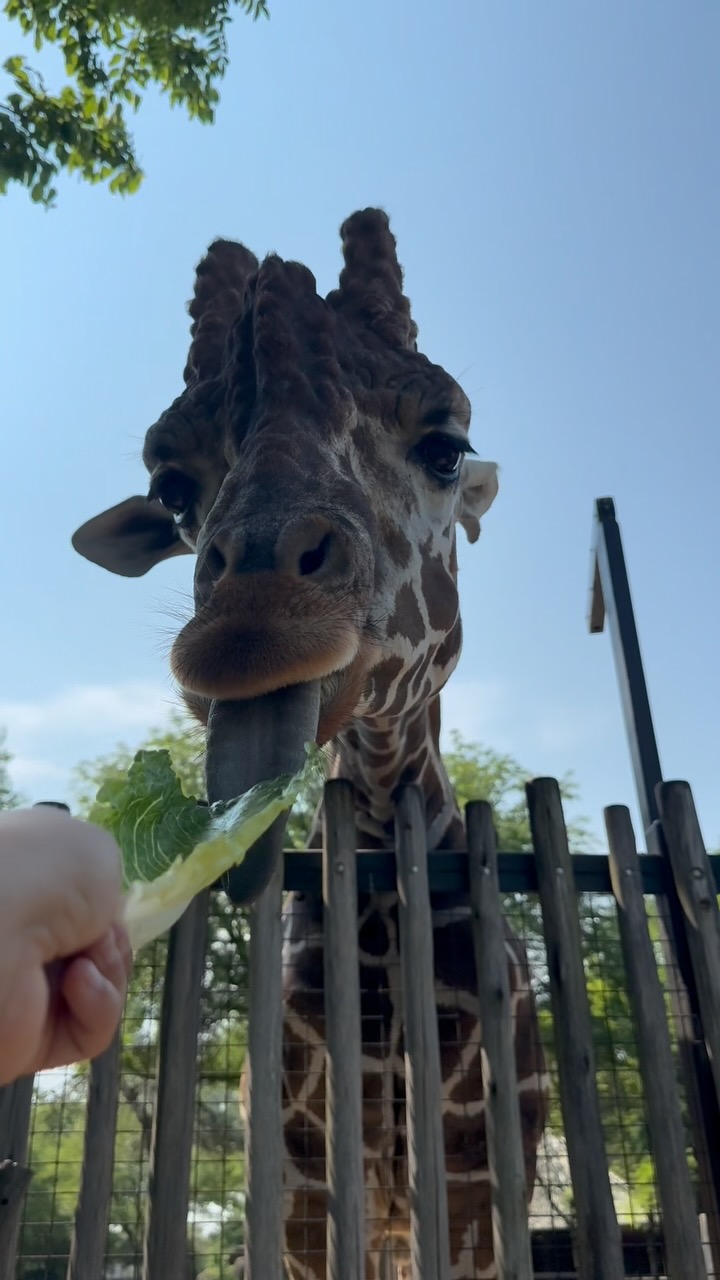
A remarkable aspect of giraffes is their tongues, which can measure up to 18 inches in length. These prehensile tongues are specially adapted for their feeding habits. They allow giraffes to skillfully strip leaves from branches while avoiding sharp thorns. The unique structure of their tongues, colored in dark shades to prevent sunburn, is a fascinating adaptation that illustrates how evolution shapes species to thrive in their environments.
Also known for their extraordinary height, adult giraffes can reach up to 18 feet. Their cardiovascular system is equally impressive, with a heart that can weigh as much as 25 pounds. This powerful heart is essential for pumping blood up their long necks to their brains, allowing them to maintain healthy function while browsing for food high in the trees.
The conservation status of giraffes is pressing. Recently assessed by the IUCN Red List, various species of giraffes are classified as critically endangered. This alarming classification highlights the urgent need for conservation efforts. The reticulated giraffe, known for its striking geometric patterns, has been particularly affected. Understanding the current status of giraffes is essential for informing conservation strategies.
Giraffes face numerous threats in their natural habitats. Habitat loss is the most significant, often due to agriculture and urban development. As forests and savannas are converted into farmland or urban areas, giraffe populations decline. Fragmentation of these habitats makes it increasingly difficult for giraffes to find food and breed, exacerbating their struggle for survival. Climate change also poses a threat, impacting the availability of the plants they rely on for nutrition. As temperatures rise and precipitation patterns change, the delicate balance of their ecosystem is disrupted.
Conservation programs play a vital role in addressing these challenges. Zoos, like Brookfield Zoo in Chicago, are significant partners in global efforts to ensure the survival of giraffes. Through the Association of Zoos and Aquariums’ (AZA) Saving Animals From Extinction (SAFE) Giraffe Program, many facilities are actively involved in research and conservation initiatives. These programs focus on understanding the specific threats to giraffes and developing effective strategies for their recovery. The expertise of zookeepers and wildlife professionals provides critical support for giraffe welfare, both in captivity and the wild.
Through educational initiatives, people can learn to appreciate the intricacies of giraffe biology and their ecological role. Programs that engage the public help foster a sense of responsibility toward these majestic animals. Educational resources can inform visitors about giraffes’ diets, social structures, and predator-prey interactions, which all contribute to a better understanding of their needs and challenges.
The involvement of local communities is equally important for effective giraffe conservation. Programs that promote sustainable land-use practices can help mitigate habitat loss. By educating communities on the importance of biodiversity and the specific needs of giraffes, it is possible to cultivate an environment where both humans and wildlife can thrive. Engaging local populations in conservation efforts allows for a collaborative approach that recognizes human development while addressing wildlife protection.
In addition to habitat restoration, breeding programs are essential to bolster giraffe numbers. These initiatives involve carefully managed breeding in zoos to preserve genetic diversity. This approach ensures that future populations maintain resilience against diseases and environmental changes. Collaborative breeding efforts across zoos can also help ensure that there are enough individuals to eventually reintroduce into their natural habitats.
Monitoring giraffe populations through field studies and technological advancements is another cornerstone of modern conservation efforts. Tracking systems, including GPS collaring, provide valuable data on giraffe movements and behaviors. These insights can help researchers understand how giraffes interact with their habitats and how they are affected by external factors.
To combat poaching, which poses a significant threat to many wildlife species, increased anti-poaching efforts are necessary. Giraffes are sometimes targeted for their hides and meat, leading to further population declines. Strengthening law enforcement in protected areas and promoting community watchdog programs create an environment where poaching is less likely to occur.
As World Giraffe Day approaches, communities and conservation organizations worldwide unite to celebrate these magnificent animals. Special events, educational programs, and fundraisers highlight the importance of giraffe conservation. These activities not only bring awareness but also inspire action to support giraffes in the wild.
Adding to the educational aspect of this observance, digital platforms and social media play pivotal roles in spreading awareness about giraffe conservation. Engaging content, such as informative videos and infographics, can reach a wide audience, encouraging people to participate in conservation efforts. By sharing compelling stories and facts about giraffes, individuals may feel motivated to take action, whether that means donating to giraffe conservation, volunteering with local wildlife initiatives, or simply spreading the word.
Furthermore, individuals can adopt more sustainable lifestyle choices that indirectly support giraffe habitats. Simple acts, like reducing plastic usage and supporting sustainable products, contribute to broader environmental well-being. Each small action creates a cumulative impact beneficial for wildlife.
Finally, as educators and advocates unite on World Giraffe Day, it serves as a collective reminder of our responsibility to protect these gentle giants. By raising awareness and presenting tangible solutions, we can foster a better future for giraffes and their ecosystems. Encouraging conversations about conservation and promoting understanding can inspire a new generation to be stewards of the environment.
World Giraffe Day is more than an observance; it is an opportunity to engage in meaningful discussions and actions that contribute to the survival of one of the planet’s most awe-inspiring creatures. Through collaborative efforts between zoos, communities, and individuals, the path toward a hopeful future for giraffes can be paved.
This day underscores the importance of proactive measures and the need for ongoing support for giraffe conservation. With increased awareness and a collective commitment to action, it is possible to create a more stable environment for these majestic animals. As we celebrate World Giraffe Day, let us work together to make a difference for giraffes and the ecosystems that support them.
*****
Source Description
Happy World Giraffe Day! Did you know a giraffe’s tongue measures about 18 inches in length? Their prehensile tongues are specially adapted to skillfully strip leaves from trees while carefully avoiding sharp thorns.
Reticulated giraffes are classified as critically endangered by the @iucnred_list . They face serious threats like habitat loss, fragmentation, and climate change, all of which impact the plants they rely on for food.
Here at Brookfield Zoo Chicago, we’re proud to be part of the AZA’s (@zoos_aquariums) Saving Animals From Extinction (SAFE) Giraffe Program . This program works to understand the challenges giraffes face and support their recovery. Learn more about how we care for giraffes at the link in bio.
