
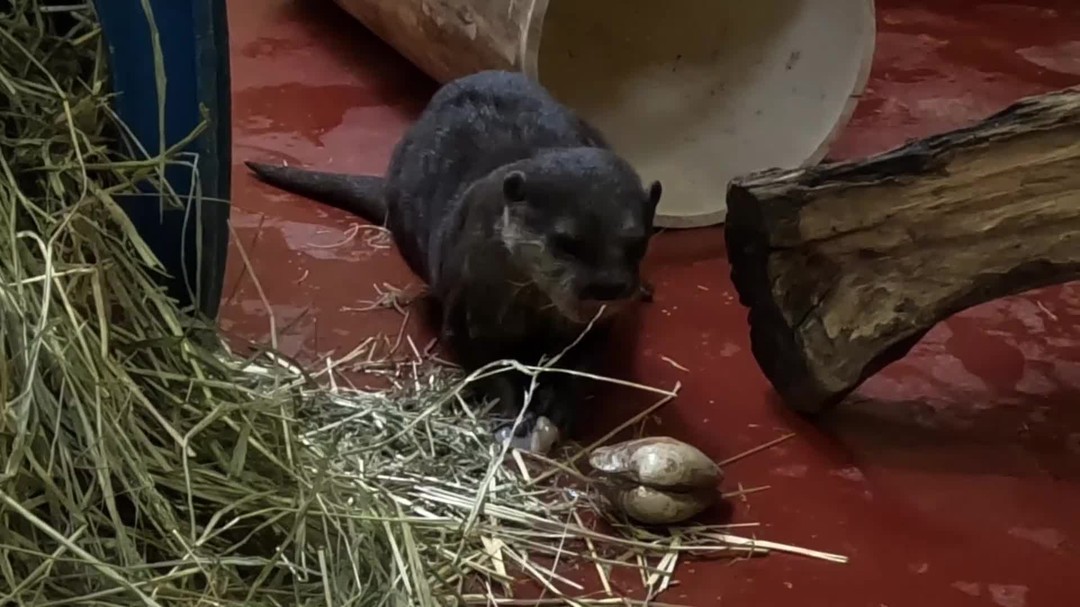
- Explore the significance of World Otter Day and its role in conservation efforts.
- Insights from Dr. Chris Kuhar and Lead Keeper Tiffany Mayo on otter care at the Cleveland Metroparks Zoo.
- A deep dive into otter biology, behaviors, and habitat needs.
- The impact of zoos on wildlife conservation and public education.
- Techniques and strategies for enhancing otter conservation both in captivity and in the wild.
World Otter Day is a vital date in the environmental calendar, shining a spotlight on these captivating creatures and the urgent need for their conservation. Celebrated annually, it raises awareness about the ecological roles otters play and the threats they face in the wild. This event also underscores the importance of collaborative conservation efforts, uniting organizations, researchers, and communities around the world.
Dr. Chris Kuhar, Executive Director of the Cleveland Metroparks Zoo, along with Lead Keeper Tiffany Mayo, possess extensive expertise in the field of zoology and share their insights on otter care in a special update. Their work exemplifies the dedication required to maintain healthy otter populations and supports the zoo’s broader conservation mission.
Otters are not only engaging mammals but also key indicators of healthy ecosystems. As semi-aquatic animals, they rely on clean, unpolluted waters to thrive. This makes them sensitive to environmental changes, turning them into natural bioindicators. Understanding otter biology provides insight into their unique adaptations. For instance, their dense fur offers insulation in cold waters, while their webbed feet allow for agile movement, essential for hunting fish and other prey.
Zoo environments, like those at the Cleveland Metroparks Zoo, provide safe havens for otters while facilitating important research and educational opportunities. The zoo’s efforts in creating enriched environments help mimic otters’ natural habitats, promoting both physical and mental stimuli essential for their well-being. This approach not only enhances animal welfare but also helps educate the public on the significance of preserving these environments in the wild.
The role of zoos in wildlife conservation extends beyond providing sanctuary. They play a crucial part in breeding programs, genetic research, and reintroduction efforts. By studying otters in controlled environments, researchers can gather invaluable data that informs broader conservation strategies. This holistic approach bridges the gap between ex-situ and in-situ conservation, fostering efforts to protect otter habitats and combat factors like habitat destruction and water pollution.
Effective conservation strategies focus on both captive breeding and wild population support. Breeding programs ensure genetic diversity and prepare animals for potential reintroduction into their natural habitats. Additionally, public education campaigns raise awareness of human-induced threats such as oil spills, fishing nets, and habitat encroachment, empowering communities to advocate for sustainable practices.
In summary, World Otter Day serves as a critical platform for advancing otter conservation efforts globally. The work of experts like Dr. Chris Kuhar and Tiffany Mayo at the Cleveland Metroparks Zoo exemplifies the symbiotic relationship between zoos and wildlife conservation, contributing to the protection and understanding of these fascinating creatures. By enhancing both captive and wild otter populations, we move closer to ensuring the survival of these vital ambassadors of their aquatic ecosystems.
*****
Source Description
It’s World Otter Day! Tune into Dr. Chris Kuhar, Cleveland Metroparks Zoo’s Executive Director, and Lead Keeper, Tiffany Mayo for another behind-the-scenes update featuring 🦦
