
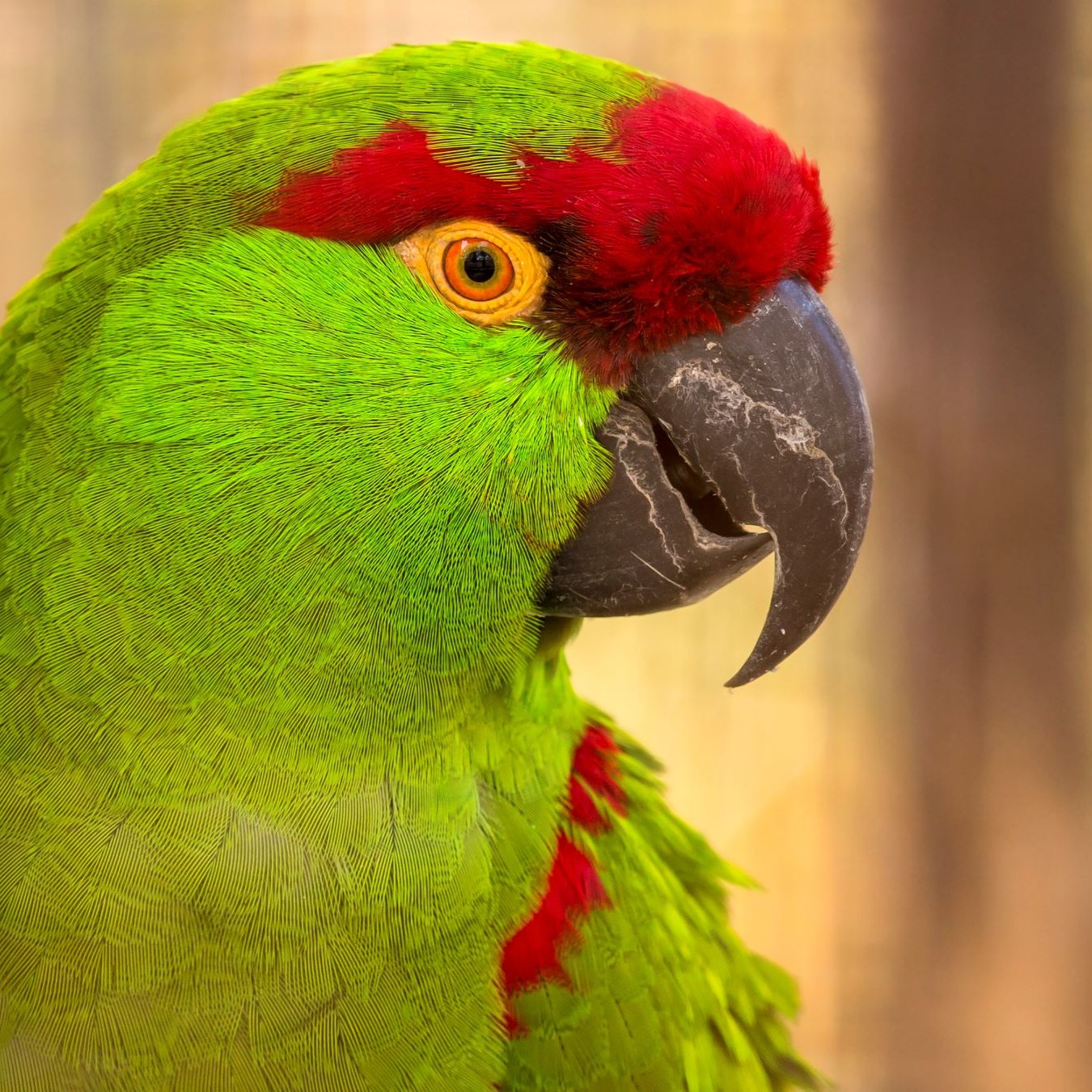
- Understanding the Thick-billed Parrot’s Characteristics and Habitat
- The Critical Endangerment of the Thick-billed Parrot
- Overview of the AZA’s SAFE Program for the Thick-billed Parrot
- Conservation Efforts and Strategies
- Raising Awareness and Collaboration Efforts
The Thick-billed Parrot, a stunning avian species known for its vibrant green plumage and remarkable sociability, thrives primarily in the Sierra Madre Occidental mountains of northern Mexico. This bird, which boasts a yellow-orange beak and distinctive facial markings, plays a crucial role in its ecosystem. These parrots help in seed dispersal, influencing the health of various tree species. They rely on mature coniferous forests for nesting and feeding, highlighting their specific habitat requirements.
Sadly, the Thick-billed Parrot is critically endangered. With only around 2,000 individuals remaining in the wild, the species faces severe threats from habitat loss, illegal logging, and climate change. Deforestation, particularly due to agricultural expansion, significantly diminishes their living space. Moreover, the illegal pet trade poses another risk, as these birds are often captured for personal collections, disrupting their populations further.
To combat these challenges, the Association of Zoos and Aquariums (AZA) launched the SAFE (Saving Animals From Extinction) Thick-billed Parrot program. This initiative aims to revitalize the Thick-billed Parrot population and restore their habitat. The SAFE program constitutes a collaborative partnership involving AZA-accredited institutions, the U.S. Fish and Wildlife Service (USFWS), the Arizona Game and Fish Department (AZGFD), and regional partners in both Mexico and the United States. Such collaborations are fundamental to pulling together diverse resources and expertise to effect meaningful change.
The SAFE program emphasizes awareness and education about the Thick-billed Parrot. By engaging the public and enhancing understanding of this species’ plight, the initiative seeks to inspire action for conservation. Zoos and wildlife organizations involved in this program often host educational events, workshops, and outreach programs that aim to inform the community about the importance of preserving the Thick-billed Parrot and its habitat.
Protecting the habitat of the Thick-billed Parrot is paramount to its survival. The initiatives aim to stabilize, protect, and restore remaining wild populations through a focus on ecosystem conservation. Efforts include reforestation projects that restore degraded habitats, protection against illegal logging activities, and the preservation of vital nesting sites. Each of these actions plays a pivotal role in ensuring the Thick-billed Parrot has a viable environment in which to thrive.
While many of these efforts require a substantial investment of time and resources, collaboration remains the cornerstone of effective conservation. The relationships built among zoos, governmental agencies, and local communities are essential for creating a unified front to protect this species. These partnerships facilitate knowledge sharing and resource mobilization, allowing for comprehensive management strategies.
Perhaps one of the most dynamic aspects of the conservation movement is the ability to adapt to new information and practices. Organizations involved in the SAFE Thick-billed Parrot program continuously monitor the populations and habitats, adjusting their strategies based on observed trends. This responsiveness enables conservationists to take timely action when threats arise, optimizing the likelihood of recovery for the Thick-billed Parrot.
Community involvement also plays a significant role in conservation success. Local populations that live alongside Thick-billed Parrots have critical insights into their habits and habitats. Education programs targeting these communities foster a sense of ownership over local wildlife. By encouraging sustainable practices and respect for wildlife, these initiatives significantly improve the chances of success for the Thick-billed Parrot.
International collaboration is vital as well. Wildlife protection does not adhere to borders. Organizations like the AZA work closely with their Mexican counterparts to ensure a comprehensive approach to conservation. Joint efforts to protect habitats in both countries knit together a more extensive network of conservation initiatives aimed at preserving the species.
Various research projects offer valuable insights into Thick-billed Parrot behavior and ecology. Understanding nesting patterns, diet, and seasonal movements can help inform conservation strategies. Biologists study these aspects to devise effective management plans that align with the species’ natural history and requirements.
The Thick-billed Parrot’s recovery story serves as a case study in the importance of holistic conservation efforts. By addressing the myriad factors influencing this bird’s survival, the SAFE program exemplifies a multifaceted approach. It highlights that successful conservation is not just about protecting a single species but also about safeguarding the entire ecosystem that supports it.
As we celebrate World Parrot Day, it is essential to spotlight the challenges facing the Thick-billed Parrot. This day serves as a reminder that efforts must not only focus on raising awareness but also on active participation in conservation initiatives. Each individual has the power to contribute, whether through supporting conservation organizations, educating oneself and others, or reducing one’s ecological footprint.
Zoos and sanctuaries often play a critical role in elevating the visibility of endangered species such as the Thick-billed Parrot. Institutions like the San Diego Zoo engage in breeding programs, research, and educational outreach. Such organizations provide a platform for raising awareness and fostering community engagement in wildlife conservation.
The public can also participate in citizen science projects aimed at monitoring parrot populations. These initiatives invite individuals to gather data, report sightings, and contribute to ongoing research. Engaging in such activities fosters a deeper connection with wildlife and emphasizes the collective responsibility to protect it.
In addition, responsible consumer choices can contribute significantly to habitat preservation. Supporting brands that practice sustainable sourcing can minimize the impact of agriculture on parrot habitats. This conscious purchasing power encourages businesses to adopt eco-friendly practices that ultimately benefit wildlife.
Overall, the plight of the Thick-billed Parrot underscores the delicate balance between humans and wildlife. It exemplifies how species can face detrimental challenges yet slowly emerge from the brink of extinction with concerted effort and collaboration.
Ultimately, the story of the Thick-billed Parrot is one of hope and determination. The combined efforts of governmental organizations, conservation groups, and dedicated individuals illustrate that positive change is possible. It demonstrates that focused collaboration can lead to effective strategies in preserving not only this integral species but also the rich biodiversity of our planet. As we observe World Parrot Day, committing to conservation and protecting the Thick-billed Parrot should resonate within each of us. Together, we can contribute to a future where this magnificent bird not only survives but thrives in its natural habitat.
*****
Source Description
It’s World Parrot Day & we’d like to highlight a super special one! Meet the Thick-billed Parrot – vibrantly colored and critically endangered.
AZA’s SAFE Thick-billed Parrot is a program focused on promoting the recovery and conservation of the Thick-billed Parrot within the Sierra Madre Occidental mountains of northern Mexico. Currently, there are only around 2,000 individuals remaining.
SAFE Thick-billed Parrot is a collaborative partnership between AZA-accredited institutions, @USFWS, @AZGFD, regional partners in Mexico and the United States, and others to protect this species.
Together, they are all striving to increase awareness about the Thick-billed Parrot, to focus on habitat and ecosystem conservation opportunities, and stabilize, protect, and restore the last wild populations in Mexico.
@SanDiegoZoo
