
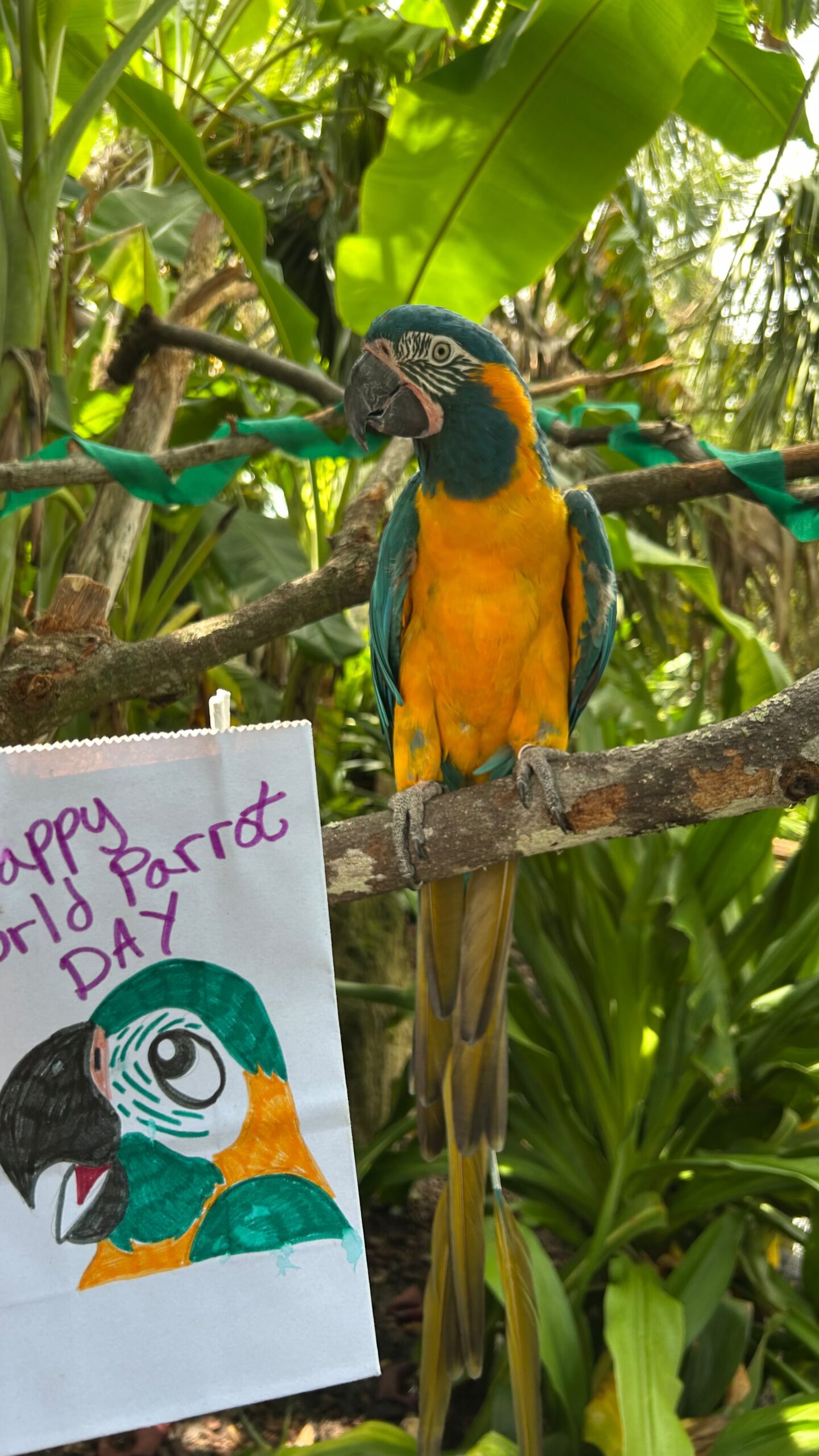
- The significance of World Parrot Day and the species celebrated
- The challenges and responsibilities of owning parrots as pets
- The importance of social interaction and enrichment for parrots
- Ethical considerations and conservation efforts for parrot protection
- Resources for further information about parrot conservation
World Parrot Day is a celebration dedicated to raising awareness about the beauty and conservation of parrots. This year, enthusiasts globally rejoiced with species such as Green-winged macaws, Blue-throat macaws, Golden Conures, and Scarlet Macaws. These birds, admired for their vibrant colors and intelligence, are emblematic of the diversity within the avian world. Through special treats and enrichment activities, caretakers highlighted the care these parrots deserve daily, underscoring the joy and responsibility involved in their care.
Owning a parrot is not a decision to be taken lightly. These birds, while captivating, require considerable commitment. Parrots can live for decades—sometimes reaching 50 years or more—demanding lifelong dedication from their owners. They’re known for being loud, with some species capable of mimicking human speech and other sounds. This vocal nature contributes to their charm but can be a nuisance in residential settings.
Additionally, parrots can be messy, with their habitats needing regular cleaning. Their dietary needs are specific, often requiring a mix of seeds, fruits, vegetables, and nuts—each species with its particular preferences and nutritional requirements. Expert advice on diet composition can prevent health issues and encourage longevity.
Social interaction and creative enrichment are crucial for these intelligent creatures. Parrots are highly social, thriving on interaction with their human caretakers or other birds. Isolation can lead to detrimental behaviors such as feather plucking or self-harm. Enrichment activities, from puzzles to toys, mimic their natural behaviors in the wild, promoting mental stimulation and physical health. This practice is not just beneficial—it’s essential for their well-being.
The ethical considerations in parrot ownership and conservation are significant. Many parrots are endangered due to habitat loss, illegal pet trade, and climate change. Prospective owners should confirm that their parrots come from reputable breeding programs rather than wild sources to avoid contributing to these declines. Supporting conservation efforts is crucial, whether through donations, advocacy, or choosing not to purchase parrots altogether.
Conservation organizations play a pivotal role in protecting parrot species. They work on habitat preservation, anti-poaching measures, and breeding programs to prevent extinction. Education and awareness campaigns, like those on World Parrot Day, highlight these issues and gather support from individuals globally.
For those seeking to expand their knowledge on parrot conservation, platforms like the @parrottag on Instagram or Facebook provide valuable insights and updates. Following these channels can inspire informed choices about parrot care and advocacy.
By understanding the complexity of caring for these remarkable birds and the importance of their preservation, people can make a difference in ensuring that parrots continue to thrive both in the wild and in homes where they’re most suited.
*****
Source Description
Happy World Parrot Day! 👏 🦜🦜🦜We celebrated with the Green-winged macaws, Blue-throat macaw, Golden Conures, Scarlet Macaw, and several others. Everyone got special treats and enrichment, but we spoil them like this every day.
Macaws and parrots are intelligent birds that need social interaction and creative enrichments every day, which means having them as a pet at home is a big responsibility. Parrots may not be the best pet for everyone – they can live a long time, are loud, messy, expensive and have specialized diets and high social needs. You can take action to protect parrots by making sure a parrot is right for you before adopting it, and making sure it comes from a breeding program rather than from wild sources.
Follow the @parrottag on Instagram or Facebook for more information about parrot conservation.
Photos provided by Shelby, Bird & Mammal Keeper.
