
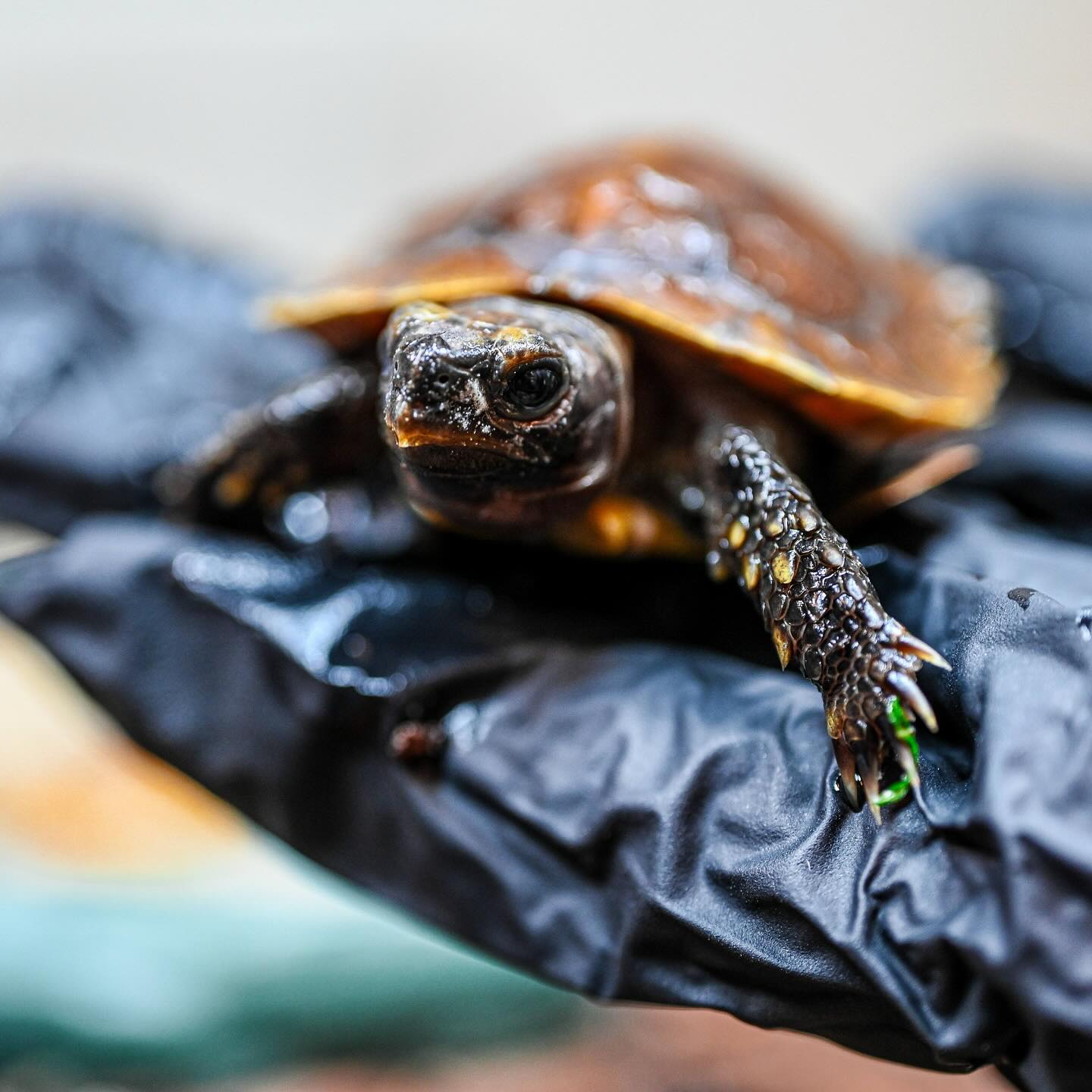
- Significance of World Turtle Day and its history
- Overview of Home’s hinge-back tortoises and their specific characteristics
- Importance of conservation efforts for endangered tortoise species
- Role of zoos in wildlife preservation and public education
- Ways individuals can contribute to tortoise and turtle conservation
World Turtle Day is recognized annually on May 23. This day aims to increase awareness about the importance of turtles and tortoises, both in their natural habitats and within our ecosystems. Established in 2000 by the American Tortoise Rescue, its purpose is to educate the public about the challenges these reptiles face, including habitat destruction, pollution, and poaching. By observing this day, we encourage conservation efforts that can contribute to a sustainable future for these species.
Celebrating World Turtle Day at Audubon Zoo is particularly exciting this year. The birth of three baby Home’s hinge-back tortoises on May 6 marks a significant moment for both the zoo and turtle conservation efforts. These hatchlings symbolize the ongoing battle to protect endangered species and promote biodiversity. Home’s hinge-back tortoises are classified as critically endangered due to habitat loss and the illegal pet trade. Special events surrounding the hatchlings highlight the importance of their survival and the larger issue of turtle conservation.
Home’s hinge-back tortoises are distinct in several ways. Their shells have a hinge mechanism, located at the back, allowing them to close completely for added protection against predators. This adaptive feature is rare among tortoise species, and it highlights their evolutionary traits. The carapace, or upper shell, is typically dark brown to black, with a yellowish or cream overlay, giving them a visually striking appearance. In terms of behavior, these tortoises are generally more docile than many others. They spend their time searching for food, which includes leafy greens, fruits, insects, and carrion. This varied diet reflects their adaptability in diverse environments.
Conservation for Home’s hinge-back tortoises is critical. According to the IUCN Red List, factors leading to their endangerment include habitat degradation, agricultural expansion, and illegal collection for the pet trade. Current estimates suggest that habitat destruction due to deforestation and land conversion has led to considerable population declines. Additionally, the demand for these tortoises as pets exacerbates their vulnerability. Public awareness and education are fundamental elements in fostering a supportive environment for ongoing conservation initiatives.
Zoos like Audubon play a pivotal role in wildlife preservation. They not only provide safe environments for endangered species but also help educate the public about the challenges these animals face. Through educational programs, visitors can learn about the behaviors, diets, and habitats of various species, emphasizing a connection to conservation efforts. The Reptile Encounter exhibit at Audubon Zoo enables guests to observe the adult Home’s hinge-back tortoises, creating opportunities for engaging discussions about the threats they face and what can be done to help.
Effective conservation strategies involve captive breeding programs, habitat restoration, and public awareness campaigns. In the case of the Home’s hinge-back tortoise, zoos often collaborate with wildlife organizations to hatch eggs in controlled environments to ensure higher survival rates. Once mature, these tortoises can potentially be reintroduced into their natural habitats, contributing to population recovery.
You can engage in turtle conservation efforts beyond visiting your local zoo. Support organizations dedicated to habitat preservation and species protection. Many charitable foundations focus on critical habitats threatened by human activity and are always in need of community support. Volunteering for animal rescue programs can be immensely rewarding, offering hands-on experience with these animals. Furthermore, responsible pet ownership and avoiding the illegal pet trade can significantly impact the survival of species like the Home’s hinge-back tortoise.
World Turtle Day is a perfect opportunity to reflect on the importance of tortoises and turtles in our ecosystem. By caring for these creatures, we contribute to ecological balance. Tortoises can live for over 50 years, often becoming lifelong companions. Their natural habitats help maintain healthy ecosystems, as they play essential roles in seed dispersal and in maintaining plant diversity.
Habitats that support tortoise populations also benefit other species, making their preservation an ecological necessity. The wetlands, savannas, and forested areas that underpin the habitats of these tortoises support a multitude of flora and fauna. By protecting these habitats, we not only safeguard tortoises but also ensure the survival of myriad other species that share the same ecological niche.
Engaging with world turtle conservation goes beyond mere awareness; individuals can make impactful choices. Practices such as reducing plastic use and advocating for pollution control can alleviate environmental stressors affecting not only tortoises but all wildlife. Educating others about the challenges turtles face can create a ripple effect, enhancing community support for conservation efforts.
In 2023, as we wish the baby Home’s hinge-back tortoises a bright future, let us recognize that their survival hinges on our collective actions. Preservation requires a community effort involving education, activism, and action. The hatchlings at Audubon Zoo serve as a poignant reminder that conservation is not just a responsibility but a necessity for the future of biodiversity. Through shared knowledge and dedicated efforts, we can foster a better environment for these fascinating reptiles, ensuring that the stories of the Home’s hinge-back tortoises continue to be written for generations to come.
*****
Source Description
What better way to shellabrate World Turtle Day than with three baby tortoises?! 🐢
Say hello to Audubon Zoo’s newest Home’s hinge-back tortoise hatchlings! These critically endangered tortoises hatched on May 6 and are currently growing and thriving behind the scenes in Reptile Encounter.
Home’s hinge-back tortoises are especially unique thanks to their shells – the top part, called the carapace, has a hinge that allows them to close themselves completely inside for protection. These omnivores enjoy a varied diet that includes leafy greens, insects, and even carrion.
While the hatchlings are behind the scenes for now, you can visit their parents in Reptile Encounter!
📸: Staffer Janelle
