
- The significance and history of the Frozen Zoo, a pioneering conservation effort.
- The scientific methods and technology utilized in preserving genetic samples.
- The impact of the Frozen Zoo on global biodiversity conservation.
- Collaboration and future goals of the San Diego Zoo Wildlife Alliance.
- The role of public support in advancing conservation efforts.
The Frozen Zoo is a landmark initiative that marks a significant achievement in the conservation of biodiversity. Celebrating its 50th anniversary, the Frozen Zoo is a testament to the innovative efforts of the San Diego Zoo Wildlife Alliance (SDZWA) to address the biodiversity crisis. Established to preserve living cells of endangered species, it stands as the largest collection of its kind globally, housing over 11,500 genetic samples from 1,337 species. These remarkable figures represent not just numbers, but a diverse tapestry of life at risk of vanishing.
The inception of the Frozen Zoo in the 1970s was driven by the urgent need to confront species extinction. Back then, conservation science was in its nascent stages. The visionaries at the SDZWA recognized a crucial fact: DNA is the blueprint of life. By safeguarding genetic material, they could provide a lifeline for species teetering on the brink of extinction. Today, the Frozen Zoo preserves genetic diversity by cryogenically freezing DNA, gametes, and embryos. This forward-thinking conservation tool is vital in a time when habitat destruction, climate change, and poaching pose increasing threats to wildlife.
At the core of the Frozen Zoo’s operations are its cutting-edge technologies and scientific methodologies. Cryopreservation, a process involving the deep-freezing of biological material, ensures that DNA remains viable for future use. This process requires precise conditions and meticulous management. Cells are immersed in liquid nitrogen at temperatures reaching -196°C. At this extreme cold, metabolic processes halt, allowing the preservation of genetic integrity for decades, or even centuries. These samples can later be thawed to produce viable tissues or used for cloning and artificial reproduction.
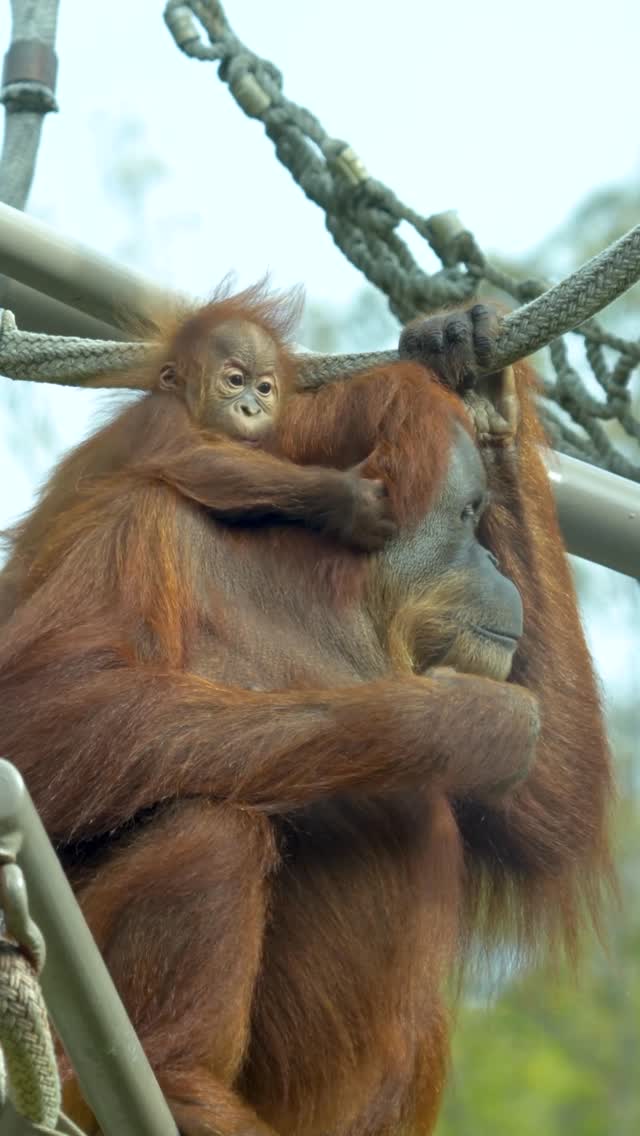
The Frozen Zoo has played a crucial role in several notable conservation successes. A prime example is the Przewalski’s horse, once extinct in the wild. Through the genetic materials preserved in the Frozen Zoo, breeding programs have reintroduced this horse to its native habitat, revitalizing wild populations. Other species like the Sumatran tiger and orangutan also benefit from this genetic repository, which assists in maintaining their populations through managed breeding efforts.
The global impact of the Frozen Zoo extends beyond individual species. By enabling biodiversity banking, the Frozen Zoo aids in maintaining genetic diversity, which is essential for healthy ecosystems. This initiative provides genetic resources that allow scientists to study evolutionary processes and develop strategies to combat diseases. Its vast collection serves as an insurance policy for nature, preserving the possibility of restoring ecological balance even after catastrophic losses.
In terms of collaboration, the Frozen Zoo works closely with partners worldwide. These alliances amplify the impact of conservation efforts by leveraging shared resources and expertise. Through collaborations with organizations, governments, and research institutions, the SDZWA is instrumental in shaping global biodiversity policies and practices. Such partnerships have been fundamental in the exchange of genetic data and the harmonization of conservation strategies across borders.
The future goals of the San Diego Zoo Wildlife Alliance are both ambitious and visionary. They aim to expand the Frozen Zoo’s collection and further develop reproductive technologies to assist in the recovery of endangered species. One target they have set is the preservation of all endangered species by the year 2075. Achieving this requires innovation, ongoing research, and a dedication to pushing the limits of contemporary conservation science.
Public engagement and support are crucial to the Frozen Zoo’s mission. As stewards of this planet, individuals and communities play an active role in conservation efforts. Public awareness campaigns contribute to funding the Frozen Zoo and similar initiatives. The SDZWA encourages people to become involved by supporting conservation projects, participating in citizen science, and advocating for policies that protect biodiversity.
The San Diego Zoo Wildlife Alliance and its Frozen Zoo symbolize hope and resilience. This conservation milestone exemplifies the successful integration of science and collaboration in the fight to preserve our planet’s irreplaceable biological heritage. As they celebrate 50 years, they continue to inspire and lead efforts to safeguard the future of countless species that enrich our world. Through concerted action and commitment, the SDZWA paves the way for a more sustainable and biodiverse future.
*****
Source Description
Celebrating a very cool conservation milestone 🧊
This year marks the 50th anniversary of the San Diego Zoo Wildlife Alliance’s Frozen Zoo®, an innovative institution dedicated to safeguarding endangered species around the world by sustaining living cells to combat the biodiversity crisis facing our planet.
The Frozen Zoo is the largest collection of its kind and is home to over 11,500 genetic samples from 1,337 species including Przewalski’s horses, orangutans, Sumatran tigers, and more. With your support, SDZWA is committed to leading biodiversity banking around the world, with a goal of preserving all endangered species by 2075.
Learn more at the link in bio 🔗
