
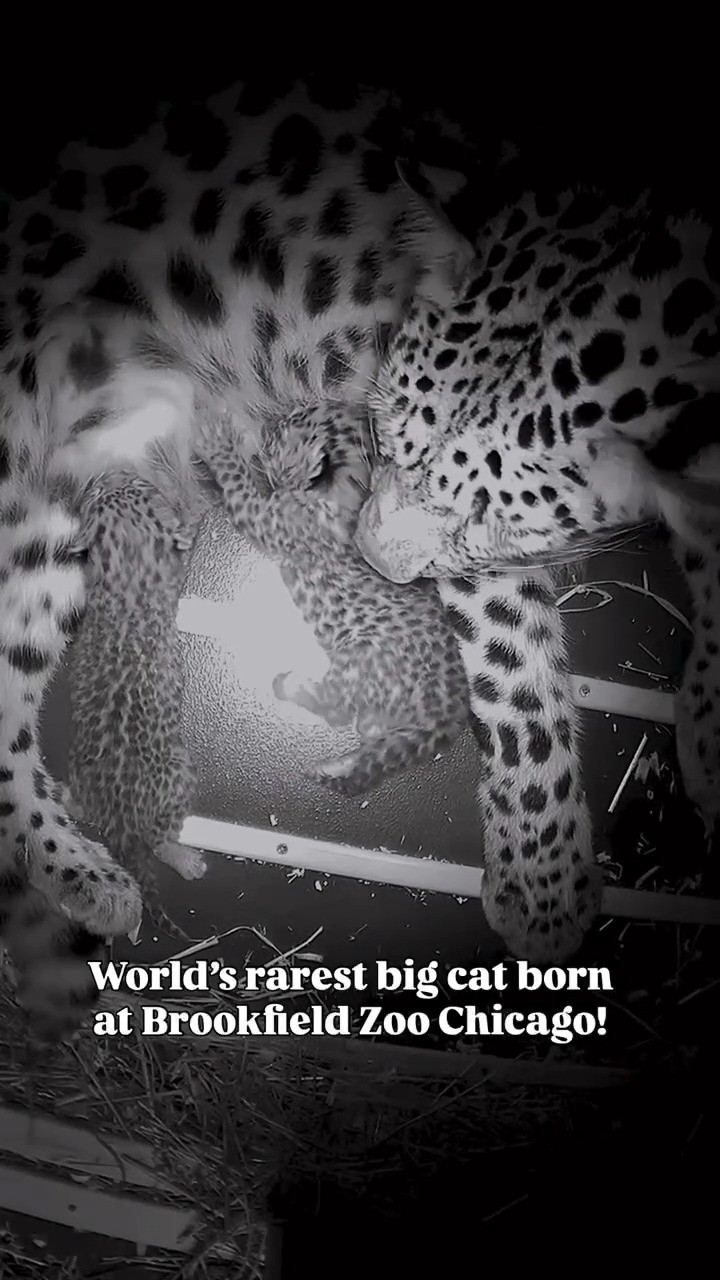
- The significance of the Amur leopard birth in conservation efforts.
- The biology and ecology of Amur leopards.
- The threats endangered species face and ongoing conservation measures.
- Guidelines for supporting wildlife conservation initiatives.
- The role of zoos and sanctuaries in saving the Amur leopard.
Celebrating a historic birth of the Amur leopard brings attention to one of the rarest big cats on Earth. This event is not merely significant for animal enthusiasts but also represents a crucial milestone in conservation efforts. With fewer than 100 individuals remaining in the wild, each new birth is a reminder of both the fragility of these populations and the ongoing efforts needed to save them.
The Amur leopard, scientifically classified as Panthera pardus orientalis, holds a unique place in the animal kingdom. Endemic to the temperate forests of the Russian Far East and Northeast China, this subspecies exhibits physical adaptations that help it thrive in its environment. The Amur leopard is characterized by a thick, beautiful coat adorned with dark rosettes and a pale background, which provides effective camouflage in the dappled light of its forest habitat. An adult can weigh between 60 and 130 pounds and usually measures about 3.5 to 4.5 feet long, not including the tail, which adds another 2 to 3 feet.
As opportunistic carnivores, Amur leopards primarily hunt roe deer, sika deer, and hares. Their solitary nature makes them skilled hunters. They rely on stealth and strength to tackle prey much larger than themselves. This predatory strategy has evolved over thousands of years, allowing the species to adapt to the fluctuations in prey availability in their habitat.
Despite their impressive adaptations, Amur leopards face a multitude of threats that significantly endanger their survival. Habitat loss due to deforestation and human encroachment is a major factor contributing to their declining numbers. Urban development, logging, and agricultural expansion have fragmented their territories, reducing the available space for these elusive creatures. Poaching is another critical issue; leopards are hunted for their beautiful pelts and body parts, which are often sold in illegal wildlife markets. The depletion of prey species further complicates their survival, as the Amur leopard requires a healthy ecosystem to thrive.
Efforts to address these challenges are already underway. Conservation programs target habitat preservation and restoration while enforcing laws against poaching. Many organizations collaborate with local communities to promote sustainable practices, helping to align human interests with conservation objectives. Cameras and tracking devices are employed to monitor leopard populations, providing vital data that helps inform and refine conservation strategies.
Support for wildlife conservation efforts can take many forms, ranging from individual actions to organizational contributions. Educating oneself and others about the plight of the Amur leopard can be the first step in making a difference. Conservation organizations often offer opportunities for engagement, such as volunteering, adopting a leopard, or donating. Legislative advocacy is also crucial for influencing policies that protect endangered species habitats and combat wildlife trafficking.
Zoos and wildlife sanctuaries serve a pivotal role in the conservation of Amur leopards. Not only do they provide a sanctuary for rescued and endangered animals, but they also contribute to global breeding programs designed to preserve genetic diversity. Captive breeding initiatives are vital in securing a stable population for potential reintroduction into the wild. Additionally, zoos often engage in educational outreach, raising awareness about the importance of biodiversity and habitat preservation.
The celebration of the birth of an Amur leopard reminds us of what is at stake. Each birth is a glimmer of hope amid a challenging conservation landscape. Through combining public awareness, scientific research, and grassroots action, society can play an essential role in the fight against extinction. Protecting this magnificent subspecies requires collective effort, dedication, and respect for biodiversity.
To further appreciate the situation of the Amur leopard, it is helpful to understand its ecological role. As a keystone species, the Amur leopard influences the structure of the ecosystem in which it resides. By predating herbivores, these leopards help maintain a balanced population of deer and other prey species. This balance is vital for the overall health of the forest habitat, ensuring that vegetation can thrive without being overgrazed.
Moreover, the preservation of the Amur leopard’s habitat contributes to the stability of many other species that share its environment. When efforts are made to protect the leopard, countless other plants and animals benefit as well. These interconnected relationships reinforce the importance of comprehensive conservation strategies that take into account entire ecosystems rather than focusing solely on individual species.
In addition to ecological considerations, potential solutions to the various threats facing the Amur leopard involve addressing socio-economic factors. For instance, empowering local communities through sustainable livelihood programs can decrease poaching and habitat degradation. Programs that provide alternative economic opportunities help foster a sense of ownership over the land and its wildlife. Education also plays a critical role in bridging gaps between conservation and local cultures, ensuring that people understand the long-term benefits of preserving their natural heritage.
Collaborative efforts are key in wildlife conservation. Governments, NGOs, and the private sector need to unite around a common goal: protecting and preserving endangered species like the Amur leopard. Transboundary conservation initiatives are particularly important in regions where wildlife migrates across national borders. Such cooperation can enhance the efficacy of conservation programs, leading to more impactful results.
As the spotlight shines on the Amur leopard, the importance of ongoing research and monitoring cannot be overstated. Studying the behavioral patterns, health, and genetic diversity of these leopards yields insights that help shape effective conservation policies. Citizen science projects that involve local communities in data collection can amplify these efforts, creating a more extensive support network for wildlife conservation.
Not only do Amur leopards embody the beauty of nature, but they also symbolize the broader battle against extinction. Their plight is a reflection of the challenges that many species face due to climate change, habitat destruction, and human interference. By focusing on solutions and celebrating milestones like the birth of an Amur leopard, society can work toward a future where these beautiful big cats roam freely in their native habitats.
In summary, the birth of the Amur leopard is a commendable event that not only highlights the challenges facing this rare big cat but also emphasizes the importance of global efforts in wildlife conservation. From understanding their unique biology and ecological role to advocating for sustainable practices, every action counts. Fostering a collective commitment to protecting endangered species ensures that future generations can enjoy the presence of these magnificent animals in the wild. The journey of conservation is ongoing and requires dedication, collaboration, and resilience in the face of adversity.
*****
Source Description
Celebrating a historic birth! Learn more about the world’s rarest big cat, Amur leopards — link in bio.
