
- MaryKate’s Rescue and Rehabilitation Journey
- The Role of Collaborative Wildlife Conservation Efforts
- Tracking and Monitoring Techniques for Manatees
- The Importance of Rehabilitation Centers
- Future Directions for Manatee Conservation
MaryKate’s Rescue and Rehabilitation Journey
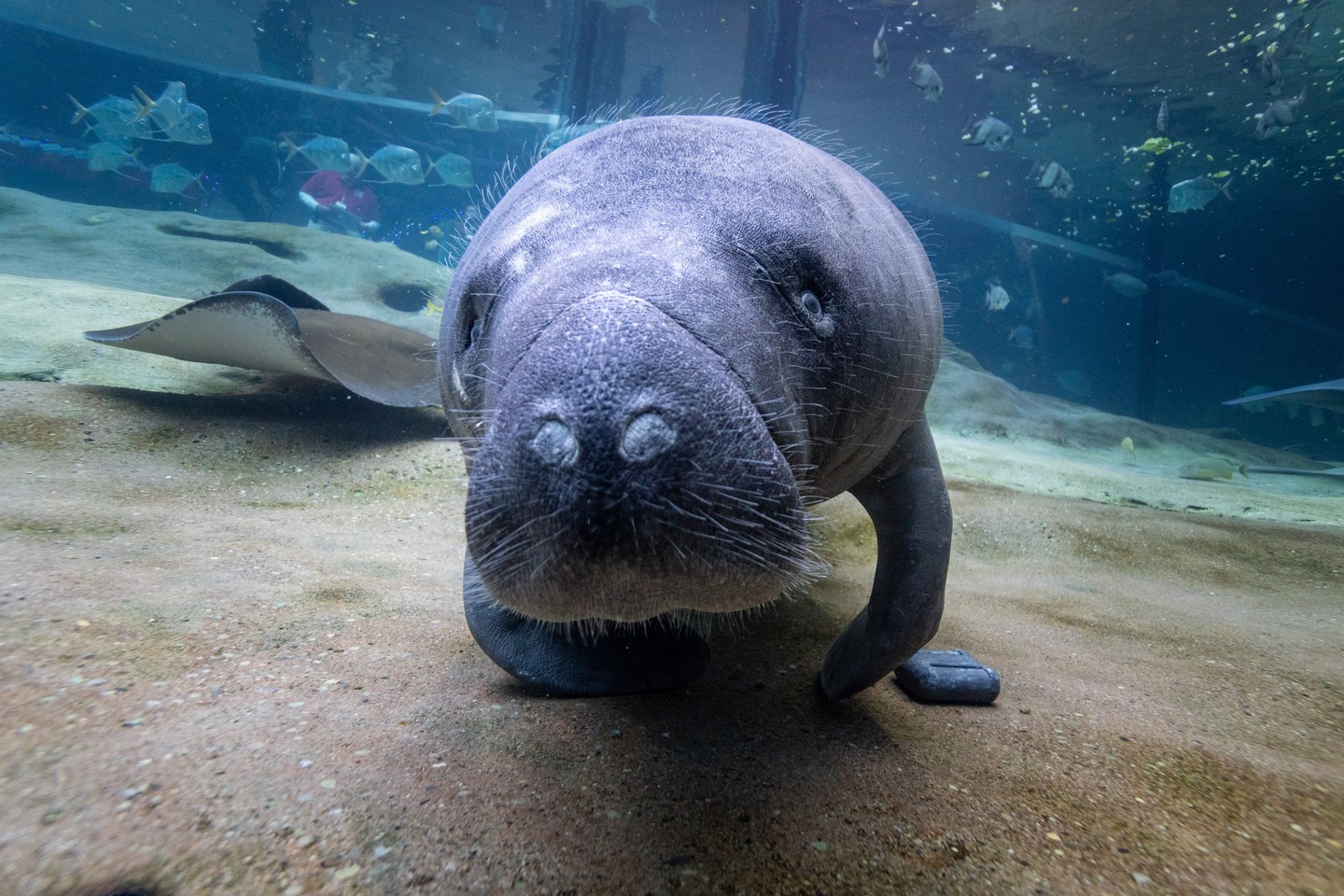
MaryKate was rescued as an orphaned calf on January 14, 2021, at Blue Spring State Park in Florida. The Florida Fish and Wildlife Conservation Commission (FWC) and the Save the Manatee Club (SMC) played critical roles in her initial rescue. At just 108 pounds, MaryKate was vulnerable and required immediate care. Such rescues serve as poignant reminders of the increasing threats faced by manatees, including habitat loss, boat strikes, and pollution.
Her first stop was SeaWorld Orlando, where she received essential veterinary care and nutrition. Rehabilitation centers like SeaWorld are equipped with specialized staff and facilities designed to provide a supportive environment for injured or orphaned wildlife. Here, MaryKate was closely monitored as she transitioned from a fragile calf into a strong, healthy manatee.
During her rehabilitation, she formed an important bond with Stubby, a resident manatee. This companionship not only provided emotional support but also encouraged natural social behaviors. Such interactions are critical for manatees, as they are highly social animals that thrive in a community setting.
After nearly three years of care and rehabilitation, MaryKate was safely transferred back to Florida in February 2024. By this time, she had grown significantly, weighing 840 pounds. Her release at Blue Spring State Park marked a vital turning point in her journey from a vulnerable orphan to a self-sufficient member of her species.
The Role of Collaborative Wildlife Conservation Efforts
The successful rehabilitation and release of MaryKate underscore the importance of collaboration between various organizations in wildlife conservation. The synergy between FWC, SMC, SeaWorld Orlando, and the Columbus Zoo and Aquarium exemplifies how pooling resources and expertise can lead to successful conservation outcomes.
Each organization plays a distinct role in the rehabilitation process. The FWC is responsible for the initial rescue and assessment of the individual manatee. Once rescued, facilities like SeaWorld and the Columbus Zoo provide immediate medical attention and rehabilitation. This seamless transition of care is vital for the survival of rescued manatees.
Moreover, the efforts don’t stop at rehabilitation. Researchers from the Clearwater Marine Aquarium Research Institute (CMARI) are instrumental in tracking and monitoring manatees following their release. This long-term observation ensures that rehabilitated animals adapt effectively to life in the wild, which is crucial for their survival.
The collective framework of wildlife conservation provides manifold benefits. Increased awareness and education regarding manatee conservation efforts inspire community involvement. Social media platforms like those of MRP and SMC amplify these messages, attracting a broader audience and encouraging public participation in conservation initiatives.
Tracking and Monitoring Techniques for Manatees
Satellite tracking plays a crucial role in understanding the behavior and habitat use of manatees like MaryKate. After her release, she was fitted with a GPS device that allowed researchers to monitor her movements, assess her adaptation to the wild, and gather essential data. Such technology is essential for studying migratory patterns, feeding habits, and even social interactions in manatees.
After her initial GPS device was damaged by a boat strike, MaryKate went off the radar until December 2024. Her return to Blue Spring provided an opportunity for researchers to re-tag her and continue tracking her movements. Monitoring manatees helps inform conservation strategies by offering insights into their habitat preferences and behaviors in different environments.
As mammals that prefer warm waters, manatees often seek refuge in springs during cold weather, highlighting the importance of specific habitats. With climate change posing a growing threat to their environment, tracking their movements becomes even more critical. It enables conservationists to identify key habitats that must be protected or restored.
Understanding the long-term movements of rehabilitated manatees provides critical information for developing effective conservation strategies. Insights gained from tracking data can guide policy decisions and habitat management efforts aimed at protecting manatees and their ecosystems.
The Importance of Rehabilitation Centers
Rehabilitation centers are essential components of wildlife conservation efforts. Facilities like SeaWorld Orlando and the Columbus Zoo contribute significantly to the recovery of sick, injured, or orphaned wildlife. Their trained staff provide specialized care that enhances the chances for a successful rehabilitation.
When manatees are brought into these centers, they receive immediate medical evaluation and nutrition tailored to their specific needs. This is crucial for young or orphaned calves that may not have learned how to eat or care for themselves. Facilities often simulate natural habitats where possible, allowing the manatees to adapt to their aquatic surroundings progressively.
The links between rehabilitation centers and research institutions are invaluable. Partnerships enhance data collection, as scientists often study rehabilitated manatees before and after release. The insights gained can lead to improved rehabilitation protocols, making the process more effective for future rescues.
Public awareness is also elevated through rehabilitation centers. They serve as learning facilities for visitors, educating the public about the challenges manatees face and what individuals can do to help. Engaging the community increases support for conservation efforts and fosters a sense of responsibility toward protecting endangered species.
Future Directions for Manatee Conservation
As the story of MaryKate illustrates, successes in manatee rehabilitation bring hope to ongoing conservation efforts. However, there remain significant challenges to the survival of this vulnerable species. Habitat loss, water pollution, boat strikes, and climate change continue to endanger manatees and their ecosystems.
To fortify the future of manatees, proactive measures are essential. Efforts must focus on habitat protection, restoring water quality, and enforcing boating regulations to minimize strikes. Public education campaigns highlighting responsible boating practices are crucial for reducing the number of accidents involving boats and manatees.
In addition, expanding protection for critical manatee habitats can help create safe havens for these animals. Collaborations among governmental agencies, conservation organizations, and local communities can generate impactful initiatives that lead to better management of marine and coastal environments.
Investing in research remains paramount. Continuous studies on population dynamics, migration patterns, and health assessments inform conservation strategies. Understanding how manatees respond to environmental stressors will aid in crafting effective management plans that adapt to changing circumstances.
While MaryKate’s rehabilitation journey is a beacon of hope, it serves as a reminder of ongoing work required to protect manatees and their habitats. The collective efforts of organizations, researchers, and committed individuals play a vital role in ensuring a sustainable future for these magnificent creatures.
MaryKate’s story is not just about one animal; it represents a larger narrative of hope and commitment in the face of adversity. Each successful rescue adds to a growing body of knowledge that will sustain manatee populations for generations to come. The collaboration, dedication, and compassion shown by many have combined to raise awareness and champion the cause of manatee conservation, providing inspiration for future endeavors in wildlife restoration.
*****
Source Description
Another manatee success story! 💙
Not long ago, we celebrated Squirrel’s successful rehabilitation and release through @mrp_manatee (MRP). Today, we’re thrilled to share another inspiring journey—this time, it’s MaryKate’s turn to shine!
MaryKate was rescued as an orphaned calf on January 14, 2021 at Blue Spring State Park, Florida by the Florida Fish and Wildlife Conservation Commission (FWC) and @savethemanateeclub (SMC). At the time of her rescue, she weighed just 108 pounds. She received her excellent initial care at @seaworldorlando before continuing her rehabilitation journey at the Columbus Zoo and Aquarium.
During her time with us, MaryKate bonded with our beloved resident manatee, Stubby. After growing stronger and healthier, she was safely transferred back to Florida in February 2024 and released at @bluespringstatepark_, now weighing 840 pounds! She was outfitted with a satellite tracking device so researchers from the @cmaquarium Research Institute (CMARI) could monitor her movements to make sure she adapted well to life in the wild.
Following her release, MaryKate stayed in the Blue Spring area until late February before venturing further away from Blue Spring and exploring the wild habitat. Unfortunately, her original GPS tag was struck by a boat during her travels, and she went off radar until December 2024.
In early December 2024 with the onset of the cold winter months, MaryKate returned to Blue Spring where researchers from CMARI tagged her again, and she remained in the spring for two months, conserving energy and feeding locally. She moved to Lake Monroe, south of Blue Spring in early March where she remained for the rest of the winter. Recently, she’s been seen socializing and eating!
Thanks to continued monitoring by @mrp_manatee and CMARI we’re proud to share that MaryKate is now showing all the behaviors of a thriving manatee in a native range, and her rehabilitation is now considered complete. Her journey is a testament to the power of collaboration and dedication in wildlife conservation.
We’re honored to have played a role in MaryKate’s story and are deeply grateful to all our partners who make this lifesaving work possible. 💙
