
- Significance of Easter in Animal Behavior and Conservation
- Celebrating Frida: Insights into Animal Birthdays at Zoos
- The Role of Zoos in Wildlife Conservation
- Learning from Frida: Educational Aspects of Animal Care
- Engaging the Community: Events that Promote Awareness
Easter has long been a time of celebration, often associated with themes of rebirth and renewal. This deep connection resonates in the animal kingdom as well, where spring signifies mating seasons and new life. Many species exhibit fascinating behaviors during this period, driven by heightened instincts. Birds, for instance, begin their courtship rituals, showcasing their vibrant plumage. Such occasions are also pivotal for conservationists, as they highlight the importance of nurturing habitats that allow for natural cycles to thrive. The association of Easter with new beginnings provides an excellent platform to discuss wildlife conservation efforts aimed at sustaining biodiversity.
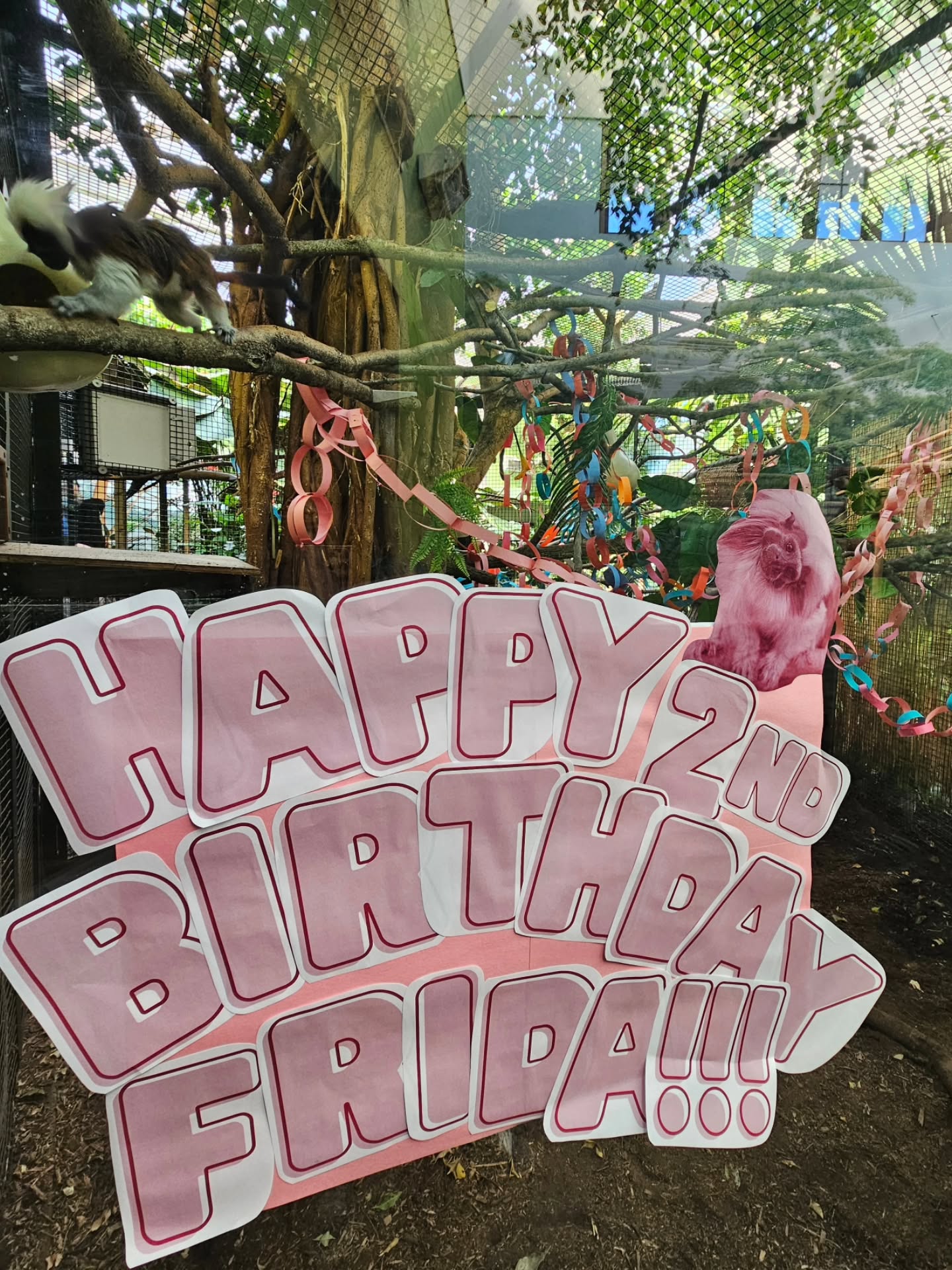
This Easter is particularly special, not just because of the holiday itself, but also due to the celebration of Frida’s second birthday at the zoo. Frida, a beloved animal among the zoo staff and visitors alike, embodies curiosity and playfulness. Her birthday celebration allows for public engagement, where visitors can express their affection for this remarkable creature. Celebrating an animal’s birthday can be more than just a festive occasion; it serves as an opportunity to educate the public about the species’ characteristics, behaviors, and the challenges they face in their natural environments.
Zoos play a critical role in wildlife conservation. They are often seen as sanctuaries that not only house animals but also contribute to research on endangered species. By providing safe environments, zoos help to support breeding programs aimed at increasing dwindling populations. Many zoos engage in partnerships with wildlife organizations to protect habitats and conduct field research. Frida’s birthday represents a unique chance to illustrate these concepts to the public. Events surrounding such celebrations can provide insights into the species’ natural behaviors while fostering a sense of responsibility in visitors to support conservation efforts.
Learning from animals like Frida is integral to the educational mission of zoos. Animal care professionals invest time in understanding their needs, behaviors, and interactions with humans. For instance, zoos routinely celebrate animal birthdays to observe not only their growth and development but also how they engage with their environment and human caretakers. Utilizing enrichment activities during birthday celebrations helps keep animals mentally stimulated and allows visitors to witness natural behaviors that are often concealed within the confines of species’ shy tendencies. For Frida, special treats and engaging activities on her birthday offer an enticing glimpse into what her life is like beyond the confines of her enclosure.
The zoo community often organizes events to promote awareness and involvement from local areas. By welcoming families and friends to partake in celebrations like Frida’s birthday, organizations can provide educational resources that inform the public about the vital roles wildlife plays in ecosystems. Interactive exhibits and activities during such functions help to foster a connection between visitors and animals while encouraging conversations about conservation. Each event promotes not only enjoyment but an understanding of ethical stewardship toward nature.
As Frida celebrates her second birthday, the connection between her life and larger conservation issues becomes evident. By involving the community in her special day, the zoo highlights responsible animal care practices and conservation initiatives. Public interactions during such festivities promote empathy and a deeper understanding of animals which can inspire future generations to advocate for wildlife preservation. Frida’s journey, thus, is much more than a personal milestone; it symbolizes a collective effort to preserve the natural world. Visitors who come to celebrate Frida will likely walk away with a greater sense of appreciation for both her individual personality and the species’ role within global ecosystems.
Zoo management, combined with effective animal care, can empower these celebrations with a deeper meaning. Frida’s birthday can serve as a springboard to discuss the intricacies of animal diets, social structures, and natural habitats. Such communication must also address the specific challenges faced by her species, which may range from habitat loss to poaching. By fostering informed dialogue, zoos can create informed advocates who may champion wildlife causes well beyond the celebration itself.
In addition to animal welfare and conservation awareness, the educational initiatives at such events can reach a broad audience. For families attending Frida’s birthday party, interactive exhibits focus on the species’ natural behaviors through guided discussions and guided tours. These activities can illuminate not only Frida’s charismatic traits but the greater complexities of ecosystems that support diverse wildlife populations.
The bond between Frida and her caretakers is another aspect worthy of examination. Animal professionals invest considerable effort in ensuring that each creature receives personalized care tailored to its unique needs. This bond provides insight into how animal welfare standards are met while creating an environment that allows for natural behaviors. For instance, caretakers may employ various diets and enrichment techniques, promoting physical and mental agility in animals like Frida. Visitors will be able to observe Caring Volunteers and Animal Welfare Technicians managing Frida’s diet, exercise, and habitat—firsthand information that can lay the groundwork for understanding responsible pet care methods back home.
Community engagement surrounding Frida’s birthday promotes a sense of stewardship and awareness. The festive atmosphere fosters conversations about wildlife conservation, potentially inspiring individuals to become active participants in local conservation efforts. Zoos can encourage visitors to volunteer, donate, or attend education-focused programs centered on wildlife preservation. Each interaction allows for increasing awareness about endangered species and the enormous challenges they face, reinforcing a communal responsibility for their care.
Easter and Frida’s birthday coinciding presents a commendable opportunity to connect broader themes of renewal with the specific stories of animals like Frida. Combining festive celebrations with educational elements creates a dynamic experience that resonates well with the public. Visitors may leave feeling uplifted by the joy of celebration while also equipped with newfound knowledge on how to contribute to the well-being of wildlife.
Thus, as we celebrate Frida’s second birthday at the zoo, we advocate not only for her joy but also for the ongoing efforts needed to ensure that all wildlife can thrive. Celebrations tied to occasions like Easter and animal birthdays serve a dual purpose: they provide joy while inspiring a sense of responsibility and advocacy toward conserving wildlife. Through every interaction at these events, such as Frida’s birthday party, we foster community engagement and environmental stewardship, making the joys of animal care accessible to all.
*****
Source Description
Not only is it Easter, it’s also our cute and curious Frida’s second birthday! We are open all day so come wish her a happy birthday!
