
- The importance of global conservation efforts for endangered species
- The role of zoos and aquariums in wildlife conservation
- Key species highlighted at the Museum of Life and Science event
- Hands-on activities promoting conservation awareness
- How individuals can contribute to local and global conservation efforts
Global conservation efforts play a critical role in safeguarding the planet’s biodiversity. With numerous species facing extinction due to habitat loss, climate change, and poaching, effective strategies are necessary to combat these pressing issues. This Sunday, May 18, the Museum of Life and Science is hosting a special event to celebrate global conservation initiatives. The event aims to educate attendees about the importance of protecting threatened and endangered species, using both local and international perspectives.
Zoos and aquariums have evolved from merely places of entertainment into essential institutions for wildlife conservation. They play a pivotal role in breeding programs for endangered species, habitat restoration, and public education. By participating in conservation programs, these facilities increase genetic diversity among captive populations, which is crucial for species survival. Additionally, many zoos serve as advocates for wildlife conservation, working with international organizations to fund and support fieldwork, research, and habitat preservation initiatives.
Among the captivating species featured during the event are the ring-tailed lemur, red wolf, spotted turtle, radiated tortoise, and northern pine snake. Each of these animals represents unique conservation challenges that are being addressed by experts and organizations around the globe.
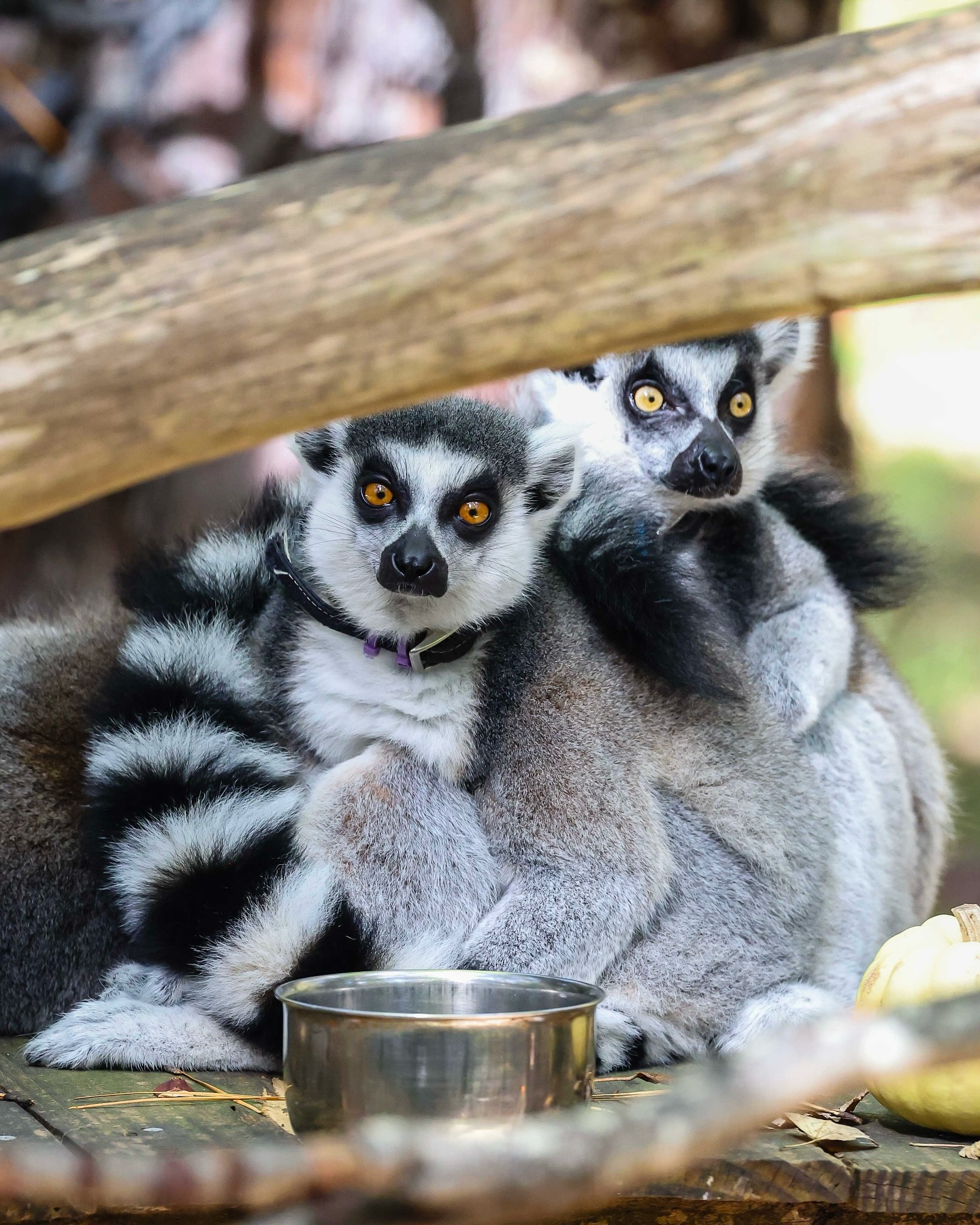
The ring-tailed lemur is native to Madagascar and faces significant threats due to deforestation and illegal wildlife trade. These energetic primates are known for their social behaviors and distinct markings. Conservation efforts prioritize habitat preservation and anti-poaching initiatives to secure their future. Education about the challenges lemurs face is crucial to build support for the necessary conservation actions.
The red wolf, once widespread across the Eastern United States, has seen its population drastically decline due to habitat loss and conflicts with humans. Active conservation is underway to reintroduce red wolves into parts of their original habitat. Educational programs that outline the ecological roles of red wolves can help to alleviate human-wildlife conflicts and foster coexistence.
Another featured species at the event is the spotted turtle, which thrives in wetland habitats. Its population has been impacted by habitat degradation and collection for the pet trade. Conservationists are working on habitat restoration and legal protections to aid in the recovery of this species. Engaging the public in these efforts can highlight the importance of wetland ecosystems.
The radiated tortoise, found in Madagascar, is endangered due to habitat loss and the illegal pet trade. Conservation organizations are implementing breeding programs alongside community engagement to protect existing populations. Advocacy for policy changes that limit trade and promote sustainable land management practices is essential for the survival of this species.
The northern pine snake, native to the northeastern United States, is another species of concern. Loss of habitat and fire suppression have contributed to its decline. Organizations are advocating for controlled burns and other land management practices that support its natural habitat. Education initiatives can empower communities to take part in habitat conservation.
At the Museum of Life and Science, visitors can participate in hands-on activities designed to raise awareness about conservation efforts. These engaging features will provide opportunities to learn from experts about local and international species and their habitats. By facilitating direct interaction with conservation efforts, the museum inspires attendees to reflect on their role in protecting wildlife.
Moreover, each individual can make a difference through various means. Supporting local wildlife organizations, participating in community clean-up efforts, and advocating for wildlife-friendly policies can profoundly impact local ecosystems. Sharing knowledge about endangered species with friends and family can create a ripple effect, fostering a culture of stewardship and responsibility toward nature.
Every action contributes to the larger goal of biodiversity conservation. It is vital to recognize that effective conservation requires collaboration between governments, non-profit organizations, and the public. Policies that prioritize the protection of habitats and threatened species will be increasingly crucial as environmental pressures continue to mount.
Engagement in conservation efforts often starts at the local level, with communities banding together to address particular environmental issues. Local wildlife organizations frequently host events to raise awareness and educate residents about ways they can support local habitats. For instance, planting native species in gardens helps restore local ecosystems. This not only provides habitats for indigenous wildlife but also reduces the reliance on chemical treatments often harmful to the environment.
Participating in wildlife monitoring programs is another way individuals can contribute. Many organizations seek volunteers to help collect data, track species, and report findings. This citizen science approach not only empowers individuals but also fosters a sense of community around conservation goals. With tracking and monitoring, scientists can obtain critical insights into species populations and behaviors, leading to informed conservation decisions.
When considering global conservation, participation in organizations that work on these initiatives can provide opportunities to contribute positively. Donations to wildlife conservation groups, whether local or international, can assist in funding vital research, habitat protection, and breeding programs for endangered species. Every contribution, no matter how small, supports the broader mission to protect biodiversity.
The Museum of Life and Science is an excellent venue for the community to engage with these pressing issues. The event celebrates both local efforts and global initiatives aimed at conserving endangered species. By educating the public about the significance of these initiatives, the museum fosters a culture of advocacy for wildlife.
Moreover, the importance of raising awareness about conservation cannot be overstated. Engaging activities that immerse visitors in the challenges faced by endangered species can alter perceptions and inspire action. The stories of species like the ring-tailed lemur, red wolf, spotted turtle, radiated tortoise, and northern pine snake can resonate with visitors, encouraging them to reflect on their interactions with wildlife and ecosystems.
Educational institutions play a key role in shaping future generations’ attitudes towards wildlife conservation and environmental stewardship. By incorporating conservation topics into their curricula, schools can inspire students to become advocates for the environment. Encouraging projects related to local biodiversity or hosting discussions about global conservation challenges can instill a sense of responsibility in young learners.
Additionally, engaging families in conservation discussions can create a collective sense of accountability. Simple conversations about the impact of individual actions, such as reducing plastic use or conserving water, can strengthen family bonds and fuel a commitment to environmental responsibility. Community projects often involve families, promoting collaboration and shared goals.
Observational data supports the connection between public awareness and conservation success. Regions with high levels of environmental education generally report better outcomes for threatened species. This connection reinforces the necessity of events like the one hosted by the Museum of Life and Science, which aims to educate the public on the importance of concerted conservation efforts.
In summary, the Museum of Life and Science event offers a platform for promoting awareness and action toward global conservation efforts. Every participant plays a vital role, whether through hands-on activities, public education, or individual action. The stories of the endangered species highlighted at this event underscore the urgent need for collaborative conservation strategies. By addressing both local and global challenges, this celebration serves as a reminder that collective action can lead to sustained efforts while fostering a deeper appreciation for the natural world.
*****
Source Description
Happy 🧡
The Museum of Life and Science is celebrating global conservation efforts to protect threatened and endangered species this Sunday, May 18, from 10 am – 3 pm. Learn from the experts while getting hands-on and thinking locally and internationally! Activities included with admission.
📸 Pictured:
Ring-tailed lemur
Red Wolf
Spotted turtle
Radiated tortoise
Northern pine snake
