
- Gwanji’s Background: A Look at Cuban Rock Iguanas
- The Importance of Wildlife Conservation
- Understanding the Habits and Needs of Iguanas
- Celebrating Gwanji: Traditions and Activities
- The Role of Zoos in Species Protection and Education
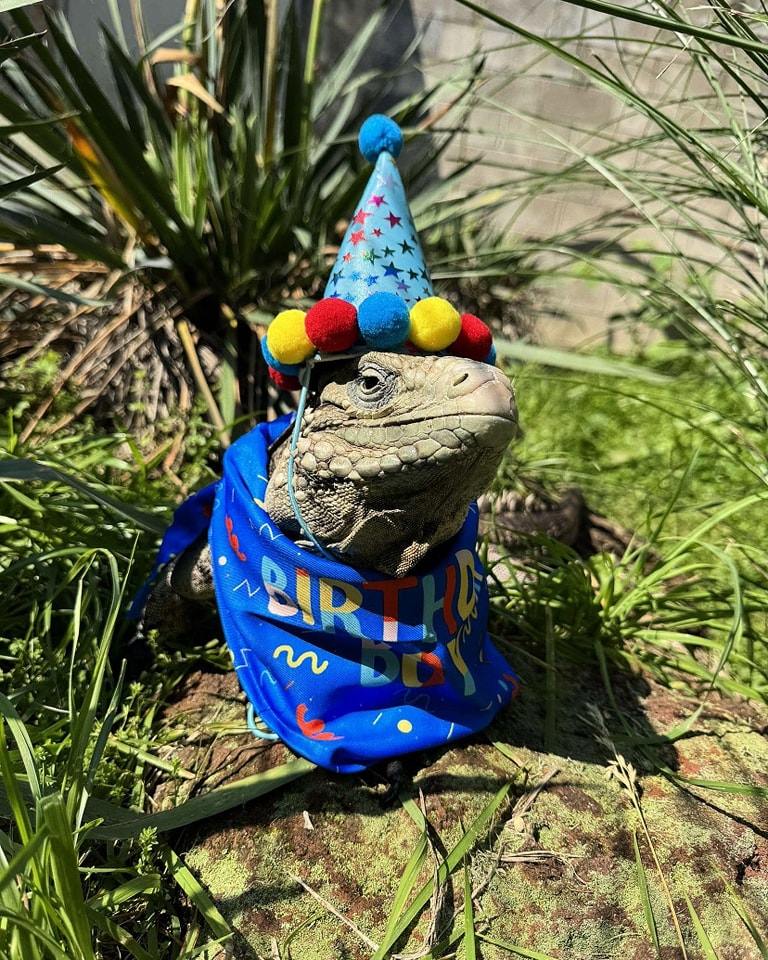
Gwanji, a Cuban rock iguana, is celebrating his 38th birthday, a notable milestone for such a critically endangered species. Cuban rock iguanas (Cyclura nubila) are native to the Caribbean and have a life expectancy that can reach up to 60 years in captivity. Gwanji’s longevity is a testament to the care he receives and the dedication of the zookeepers who maintain his habitat. As a species, Cuban rock iguanas face multiple threats, including habitat loss, climate change, and the introduction of predators to their ecosystems.
Cuban rock iguanas have a distinctive appearance, with robust bodies and prominent spines, which make them stand out among other reptiles. Their natural habitat encompasses coastal areas, where they draw moisture from the plants they consume. Unlike mammals, iguanas cannot filter salt through their bodies, leading to a unique adaptation—their ability to sneeze out excess salt. This physiological trait results in salty deposits around their enclosures, offering a quirky reminder of their presence.
The importance of wildlife conservation, particularly for species like Gwanji, cannot be overstated. Conservation efforts include habitat restoration, breeding programs, and public awareness initiatives. Gwanji serves not just as a representative of his species but also as an ambassador for the conservation message. By educating the public on the plight of critically endangered species, zoos like his help nurture a deeper appreciation for biodiversity and the threats facing it.
Cuban rock iguanas exhibit behaviors that reflect their adaptability. They are primarily herbivorous and thrive on various fruits and vegetables. A commonly noted preference is for food items like leafy greens, melons, and mangoes. At his birthday celebration, Gwanji’s dietary favorites, including ripe watermelon and fresh mango, take center stage. This type of diet allows for optimal health and longevity, reinforcing the importance of meticulous care in zoo settings.
Understanding the habits and needs of Cuban rock iguanas extends beyond dietary preferences. These creatures also thrive in environments that mimic their natural habitats. Adequate UV light is essential for calcium metabolism, which prevents bone diseases. Enclosures must feature a mixture of climbing structures, burrows, and hiding spots to accommodate their natural behaviors. This setup not only ensures their physical health but also stimulates their mental well-being.
Celebrating Gwanji’s birthday is not just about birthday cake and festivities. Digital "neck scritches" from well-wishers worldwide add to the communal joy, reinforcing a sense of connection between humans and animals. Social media campaigns are effective for raising awareness about conservation while engaging audiences in personal stories.
Furthermore, educational programming in zoos often leverages special events like birthdays. Interactive sessions can involve "meet-and-greet" opportunities, where visitors learn about Gwanji’s role in conservation efforts. Such activities foster a hands-on understanding of eco-systems and the importance of preserving them.
The role of zoos in species protection extends beyond just housing animals. Many modern zoos participate in breeding programs that focus on genetic diversity within captive populations. These initiatives build insurance populations for species facing extinction in the wild. By collaborating with other conservation organizations, programs can further enhance their influence.
In addition, zoos often participate in field work, studying iguana habits in their natural environments. These efforts focus on habitat assessment, behavioral studies, and even community outreach. Engaging local stakeholders who share the ecological space with iguanas helps cultivate a sense of responsibility toward preserving the species.
Gwanji, with his cat-like demeanor and charm, embodies the traits that make Cuban rock iguanas a subject of interest and concern. Observing his behaviors—whether it be basking under a heat lamp or proudly showcasing his colorful scales—can offer insights into the life of his species. The more we know, the better equipped we are to take action for their protection.
Cuban rock iguanas also interact meaningfully with their environments. As herbivores, they play a crucial role in their habitats by helping to control plant growth, which in turn supports a diverse ecosystem. Preserving these iguanas ultimately helps maintain the fragile balance of their native habitat, highlighting an essential connection between species and their environments.
As Gwanji enjoys his special day filled with festive treats, each bite of flavorful watermelon and mango becomes an opportunity to spread awareness. His life serves as a reminder of why it is crucial to protect critically endangered species. Public engagement, such as birthday celebrations, allows for education on the urgent conservation needs facing Cuban rock iguanas.
Moreover, engaging the public through memorable experiences fosters lasting impressions. Studies have shown that firsthand animal encounters heighten people’s commitment to conservation. Such intimate interactions can inspire future generations to advocate for wildlife and environmental stewardship. Gwanji’s presence in his zoo is a profound reminder of the interconnectedness of all living beings.
Every aspect of adopting a conservation-focused approach in zoos, including celebrating milestones like Gwanji’s birthday, reflects a commitment to understanding and protecting biodiversity. This includes a focus on sustainability and conservation practices that resonate beyond zoo walls.
Research into the biology and behavior of species like Gwanji also contributes to global databases that inform conservation strategies. The details of their care and requirements provide data that can guide habitat restoration projects. This interlinkage of research and hands-on experience underlines the vital role zoos play in practical conservation efforts.
As we reflect on Gwanji’s rich 38 years, it is essential to embrace the notion that his story is part of a larger narrative about wildlife conservation. Every birthday celebration serves to amplify the message of protection and awareness regarding endangered species. So, as Gwanji enjoys his fantastic birthday feast and receives digital neck scritches from around the globe, let’s also commit to the real work required to protect the natural world.
Through education, research, and community involvement, the legacy of Gwanji can extend far beyond the confines of his enclosure. By continuing these efforts, we can hope to celebrate many more birthdays for not just Gwanji, but all species that share this environment with us.
Each step taken in supporting initiatives for species like Gwanji will reflect a commitment that resonates through current and future generations, ultimately securing a healthier planet for all.
*****
Source Description
🎊 It’s Gwanji’s 38th birthday! 🎊
Gwanji is a Cuban rock iguana, a critically endangered species. With a lifespan of up to 60 years, we’re hoping for many more adventures with this little guy!
Fun fact: Unlike us, he can’t filter salt through his body, so he sneezes to get rid of the extra. This means there are plenty of salty booger gifts left around for our keepers!
With a cat-like personality, a love for veggies and fruits, and an undeniable charm, he’s truly one-of-a-kind!
Be sure to send all your digital neck scritches while he enjoys his birthday watermelon and mango! 🥳
