
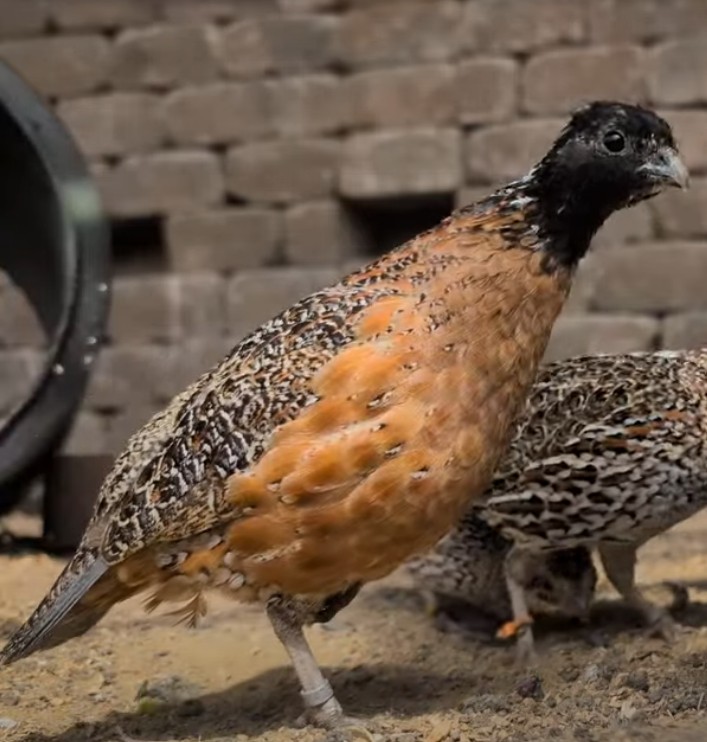
- Overview of the Masked Bobwhite’s habitat, behavior, and conservation status
- The role of zoos in wildlife conservation and the significance of captive breeding programs
- Detailed insights into the challenges faced in protecting critically endangered species
- The importance of awareness and education in conservation efforts
- Insights into the work being done at the zoo to support the Masked Bobwhite’s survival
At the zoo today, we celebrated a special hatch-day for Masked Bobwhite York, who turned six. These birds, native to the southwestern United States and northern Mexico, are tiny wonders. The Masked Bobwhite’s existence is a delicate dance with nature, as these birds were last seen in the wild in 2007, marking their critical endangerment. The celebrations serve as a reminder of the thin line between survival and extinction, emphasizing the crucial work being done to protect their future.
Masked Bobwhites inhabit grasslands and deserts, preferring areas with dense vegetation that offer food and shelter. Their diet primarily consists of seeds, insects, and vegetation. Dust-bathing, like what York enjoys, is a natural behavior that helps in parasite control and feather maintenance. These birds are intricate examples of how species adapt to their environments, yet this specialization also makes them vulnerable to habitat changes.
Zoos play an indispensable role in conservation, particularly through captive breeding programs. These initiatives aim to increase population numbers and maintain genetic diversity. The presence of Masked Bobwhites at the zoo is part of a broader conservation strategy. By safeguarding these birds, zoos help ensure we can eventually reintroduce them into their natural habitats if the conditions become favorable.
Conservation efforts for critically endangered species face numerous challenges. Habitat destruction, climate change, and human activities continue to pose significant threats. For the Masked Bobwhite, habitat loss due to agricultural expansion has been catastrophic. Conservationists work tirelessly to protect remaining habitats and restore areas where these birds can thrive.
Raising awareness and educating the public is integral to conservation. Events like York’s hatch-day celebration draw attention to the plight of the Masked Bobwhite and other endangered species. Engaging with the community fosters a deeper understanding of our environmental responsibilities. Educational programs at zoos inform visitors about the importance of preserving biodiversity and the steps we can take towards sustainable stewardship of our planet.
The zoo’s dedication to conservation shines through its work with the Masked Bobwhite. Keepers like Emily play an essential role in the care and management of these birds. Through rigorous scientific research and daily care routines, they contribute to the global effort of species conservation. Their work underscores the value of combining scientific inquiry with practical conservation actions.
Masked Bobwhite hatch-day celebrations are more than just for enjoyment; they symbolize hope and the possibilities of revitalizing endangered species populations. As we commemorate York turning six, we recognize the achievements and the continued challenges in protecting our planet’s biodiversity through collaborative efforts and persistent dedication from conservationists around the globe.
*****
Source Description
🥳 We celebrated a hatch-day at the zoo today! Masked Bobwhite York turned 6 years old! This little dude likes to pass the time by dust-bathing in fresh sand! 🎂 🤎
🌎 These tiny beauties are currently critically endangered, so we are very lucky to have them at the zoo to help protect their species. There have been no wild sightings of these birds since 2007!
📸: Keeper Emily
