
- Understanding the significance of International Ungulate Day and its celebration.
- Exploring the bongo antelope: characteristics, habitat, and behaviors.
- The biological and ecological roles of ungulates in their ecosystems.
- The challenges facing ungulates today, including habitat loss and poaching.
- Conservation efforts and their importance in protecting ungulate species.
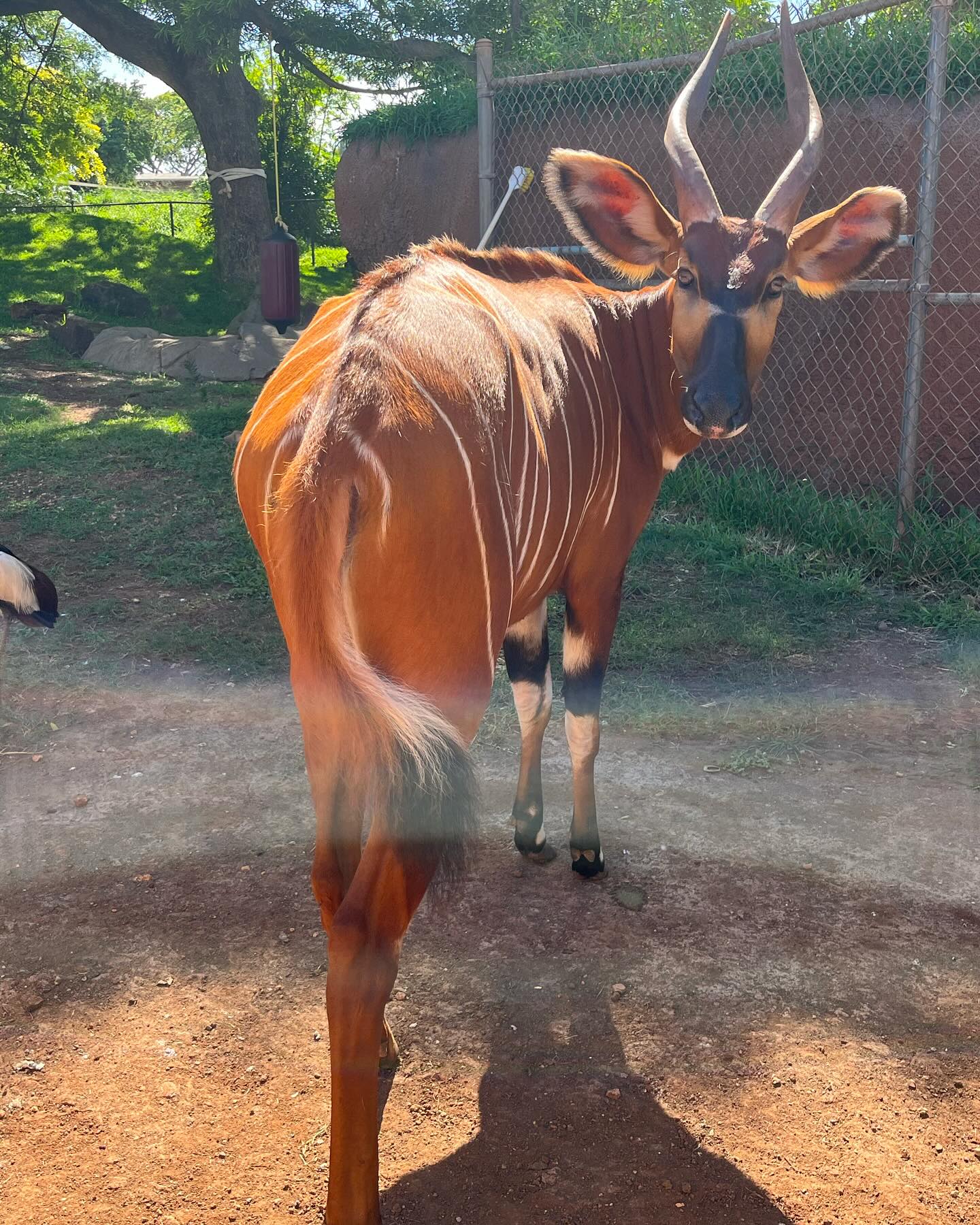
International Ungulate Day celebrates the diverse group of hooved mammals known as ungulates, which include species ranging from domestic animals to majestic wild creatures. This day serves to raise awareness about these animals and their various habitats. Highlighting the bongo antelope, such as the mother-daughter duo Topanga and Riley at the Honolulu Zoo, exemplifies the beauty and importance of ungulates. As significant players in their ecosystems, these animals contribute to ecological balance, making their protection crucial for biodiversity.
Bongo antelopes, classified scientifically as Tragelaphus eurycerus, are the largest and heaviest of the forest-dwelling antelopes. They can reach weights of up to 900 pounds and stand about 3 to 4 feet tall at the shoulder. These stunning creatures are best known for their rich chestnut coats and characteristic white vertical stripes. These markings serve a practical purpose; they help bongos blend into their densely vegetated forest habitats, providing essential camouflage from predators.
Bongos inhabit the tropical rainforests of central and western Africa. They prefer dense, moist forests and are most active during twilight hours, taking advantage of low light conditions to graze on leaves, fruits, and other vegetation. They are adept at navigating through their complex habitats, using their excellent sense of hearing and smell to detect danger. While often solitary or seen in small groups, bongos may occasionally form larger herds during mating season.
Ungulates play vital ecological roles in their environments. They help shape and maintain their habitats through grazing and browsing. This feeding behavior promotes plant growth by preventing overgrowth, which can hinder the development of smaller or less competitive species. The presence of ungulates in an ecosystem can also influence the distribution of plant species, contributing to a diverse and healthy environment.
Despite their ecological significance, ungulates face numerous challenges that threaten their survival. One of the most pressing issues is habitat loss, driven by deforestation for agriculture, logging, and urbanization. As jungles and forests are converted into farmland or urban areas, the natural habitats for many ungulate species disappear, forcing them to compete for limited resources.
Poaching is another major threat to ungulate populations. Many species are hunted for their meat, horns, or skins, often driven by illegal wildlife trade. For instance, bongo populations have been significantly reduced in some areas due to hunting pressures. These practices not only decimate individual populations but can destabilize entire ecosystems.
Conservation efforts are essential for protecting ungulate species like bongos. Organizations worldwide are dedicated to raising awareness and implementing measures to safeguard these animals. Protected areas, such as national parks and reserves, provide safe havens for ungulates to thrive without human interference. Regulation on hunting practices and stricter enforcement against poaching can also enhance survival rates.
Captive breeding programs play a crucial role in conservation. Zoos and wildlife parks, like the Honolulu Zoo, engage in breeding initiatives that focus on maintaining genetic diversity among populations. These programs ensure that species like the bongo do not face extinction in the wild. Educational outreach is another critical aspect of conservation, fostering a sense of responsibility and connection to wildlife in visitors and local communities.
Understanding the challenges that ungulates face and the importance of their conservation can inspire meaningful action. Communities can contribute through sustainable practices, supporting conservation organizations, and participating in eco-tourism activities. By fostering a culture of respect for wildlife, people can help ensure the survival of these remarkable creatures.
As we celebrate International Ungulate Day, it is important to reflect on the intrinsic value of ungulates in our ecosystems and our responsibility to protect them. The bongo antelope, with its striking beauty and critical ecological role, serves as a perfect ambassador for all ungulate species. By caring for the natural world and taking decisive action, we can work toward a future where both ungulates and their habitats thrive for generations to come.
*****
Source Description
🌍🦌 Happy International Ungulate Day!
Today, we’re shining the spotlight on our beautiful bongo antelope duo — mom Topanga and daughter Riley here at the Honolulu Zoo! 💚
Bongos are the largest and heaviest forest-dwelling antelopes. They are easily recognized by their striking chestnut coats and white vertical stripes that help them blend into the forest. Asungulates, bongos have hooves, just like giraffes, zebras, and rhinos—a defining trait of this diverse group of hoofed mammals!
Celebrate with us and learn more about these amazing creatures and the importance of protecting wildlife worldwide! 🐾
