
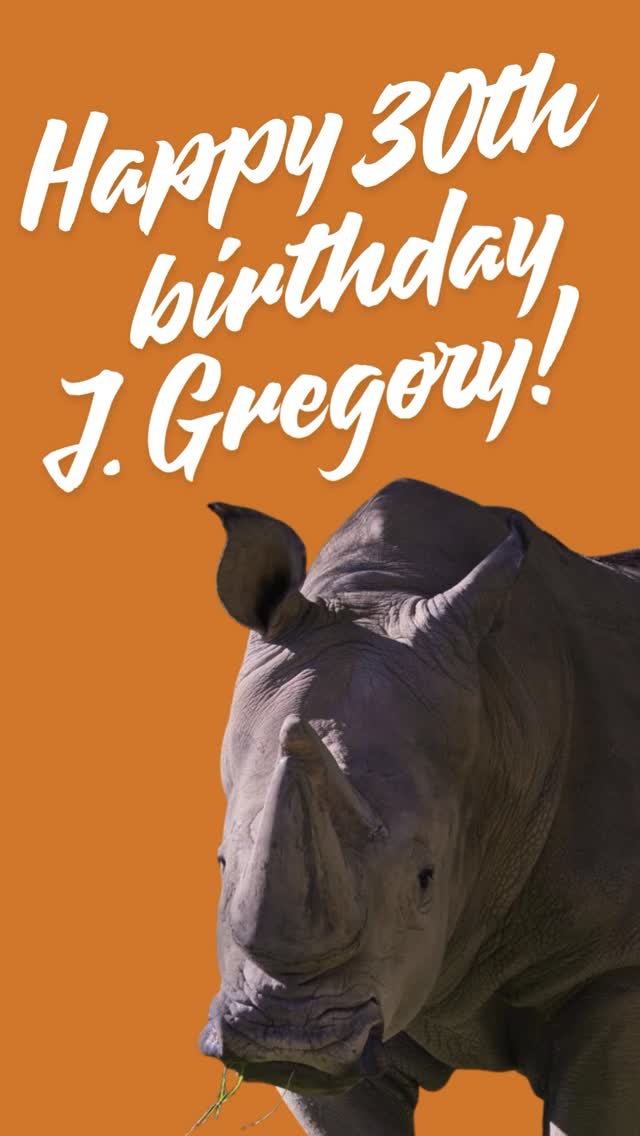
- Happy 30th Birthday to J. Gregory and the significance of the occasion
- The biology and characteristics of the Southern white rhino
- The role of zoos and conservation efforts in protecting rhinos
- Educational programs and community engagement in wildlife preservation
- The importance of continued conservation efforts for endangered species
Happy 30th Birthday to resident cool guy, J. Gregory! This milestone isn’t just a personal celebration; it also marks a significant moment for one of our favorite residents—J. Gregory, the Southern white rhino, who received some rhino-sized enrichment created by campers during our Fall Camp. As we celebrate J. Gregory turning 30, it’s essential to reflect on his species’ characteristics, the importance of wildlife conservation, and how zoos play a role in educating the public about these incredible animals.
The Southern white rhino, one of the largest land animals on Earth, can weigh up to 5,000 pounds. They are remarkable creatures with a massive body, large ears, and a prominent hump at the back, which supports their strong neck muscles. Their thick, gray skin is a protective feature, offering some defense against the elements and predators. In addition, they possess two horns made of keratin—similar to human nails—which they use for various purposes, including foraging and defense.
Southern white rhinos are herbivorous grazers, primarily feeding on grass. Their unique lip structure allows them to efficiently pick grass from the ground. Because of their size and dietary needs, they require extensive habitats. Typically, they roam the savannas and grasslands of South Africa and Namibia. However, due to habitat loss and poaching, their numbers have dwindled significantly in the past century, prompting the need for concerted conservation efforts.
Zoos like ours have grown into vital centers for species preservation and education. J. Gregory’s presence at the zoo gives visitors a direct connection to wildlife. Within these facilities, effective breeding programs help ensure the genetic diversity of Southern white rhinos. Moreover, they collaborate with wildlife reserves to provide safe spaces for rehabilitation and reintroduction to the wild. This multifaceted approach is not just about maintaining animal populations in captivity but is crucial for restoring them in their natural habitats.
Community involvement is also paramount in wildlife protection efforts. Programs at various zoos engage campers and community members in hands-on activities that promote awareness and appreciation for wildlife. The enrichment items designed by the campers for J. Gregory help stimulate his physical and mental well-being. These activities empower campers to learn about ecological balance and the importance of conservation, fostering a sense of responsibility towards protecting endangered species.
Education plays a key role in wildlife conservation. The interaction between campers and animals at the zoo bolsters understanding and encourages stewardship. Children learn about the threats faced by Southern white rhinos, including poaching and loss of habitat. They explore ways to mitigate these issues, such as sustainable living practices and supporting conservation organizations. Educational frameworks are essential for shaping future generations of conservationists.
The birthday celebration for J. Gregory also emphasizes the importance of ongoing support for rhino conservation. The Southern white rhino currently faces numerous challenges, with the International Union for Conservation of Nature (IUCN) categorizing them as near threatened. Continuous engagement from communities through advocacy, funding, and awareness campaigns can make a difference. Efforts to combat poaching, such as anti-poaching units and legislation, remain crucial in protecting these majestic animals from extinction.
As we celebrate J. Gregory’s 30th birthday, we honor not only this remarkable creature but also the critical role he plays in educating and inspiring visitors about wildlife protection. Each gift J. Gregory received—whether it comes from those at the zoo or from the campers—serves as a reminder of the joy of learning and the importance of conservation. Moreover, these enrichment activities promote mental stimulation, essential for the overall health of captive animals.
Understanding the biology of the Southern white rhinoceros provides insight into what makes these animals extraordinary. They are social creatures, often found in groups, where maternal bonds remain strong. Female rhinos, called cows, typically give birth to a single calf after a gestation period of around 16 months. This long gestation highlights the importance of offspring care and rearing. After birth, calves stay with their mothers for up to three years, learning crucial survival skills that help them navigate their environments.
Southern white rhinos are also notable for their behaviors. They establish territories, which they mark using dung, urine, and facial markings. These territorial displays help maintain social structure within their populations. Observing these interactions in a zoo setting helps visitors connect with the rhino on a more profound level.
Visitor engagement is crucial in promoting wildlife awareness. By offering programs that allow visitors to learn about rhinos directly, zoos can create a memorable experience. Interactive exhibits, talks by zookeepers, and special events, such as J. Gregory’s birthday party, offer opportunities for education and connection. Such initiatives create a lasting impact on individuals, encouraging them to take action in conservation efforts.
Many zoos also focus on raising funds to support in-situ and ex-situ conservation projects. The money raised can go towards anti-poaching initiatives, habitat restoration efforts, and community-based conservation programs. By fostering partnerships with local communities, conservation organizations can empower individuals to participate actively in protecting their natural heritage.
As J. Gregory celebrates his birthday, it is vital to reflect on how everyone can take part in rhino conservation. Simple actions, like advocating for responsible tourism, reducing single-use plastics, and supporting organizations that work to protect wildlife, can contribute significantly to preserving the Southern white rhino and other endangered species.
While J. Gregory is now 30, many Southern white rhinos can live into their 40s or 50s in suitable environments. This longevity highlights the need for continuous and effective conservation practices. Young and old alike can contribute to this cause by learning, advocating, and actively participating in initiatives designed to safeguard these majestic beings.
Everyone is encouraged to take part in discussions focusing on animal welfare and environmental sustainability. From school projects based on wildlife to social media campaigns aimed at raising awareness about conservation initiatives, each effort counts. Engaging others creates a ripple effect, expanding understanding as well as action towards preserving wildlife.
As we gather to wish J. Gregory a very happy 30th birthday, we also celebrate the collective effort it takes to protect Southern white rhinoceroses. Rhinos like J. Gregory are ambassadors for their species, inspiring greater efforts in the battle against wildlife crime and habitat destruction. It’s a reminder that, individually and collectively, we hold the power to influence positive change in the world.
This birthday celebration acts as a poignant reminder of the responsibilities humans have towards wildlife. The monumental task of conserving endangered species is achievable, especially when the commitment comes from various sectors, including educational institutions, wildlife organizations, and the general public. With collective action, we have the potential to create a future where both people and wildlife thrive.
Let’s help J. Gregory celebrate this special milestone. As we honor him today, remember the critically important conservation work that remains to be done for his species and countless others facing similar challenges. For J. Gregory, turning 30 isn’t just another year; it’s a call to arms for conservation enthusiasts everywhere.
*****
Source Description
Happy 30th Birthday to resident cool guy, J. Gregory! 🦏🎉 J. Gregory got some rhino-sized enrichment, made in part by the campers in our Fall Camp!
It’s a big birthday for a big rhino! Did you know that Southern white rhinos are the second biggest land animal on Earth?
Help us wish J. Gregory a very happy birthday!
