
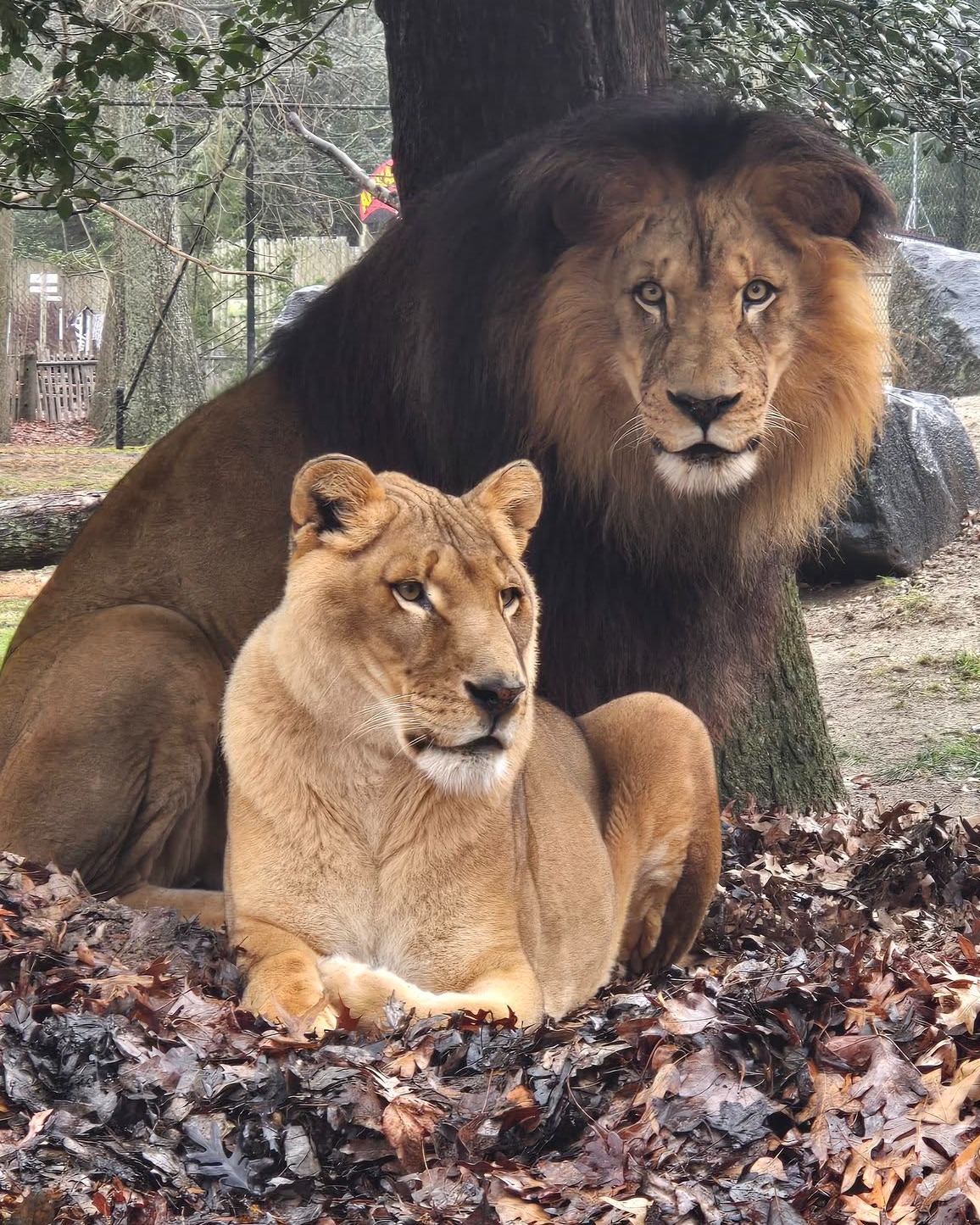
- Lex and Bella as African lions and their unique characteristics
- The social structure of lions and the significance of prides
- Behavioral traits and enrichment activities for lions in captivity
- Conservation efforts related to African lions and zoo roles
- Celebrating Lex and Bella’s 14th birthday and their impact on public awareness
Lex and Bella are African lions, representing one of the most charismatic species of the animal kingdom. The African lion (Panthera leo) holds the title of the second largest cat species after the tiger. These magnificent animals exhibit sexual dimorphism, with males typically larger than females. Male lions, such as Lex, grow manes that can differ in color from dark brown to blonde, while females like Bella lack these prominent features. This dimorphism not only aids in distinguishing genders but also contributes to social dynamics within lion populations.
Both Lex and Bella arrived at the zoo in 2014, joining a species that has become emblematic in discussions about wildlife conservation. The history of their presence at the zoo offers an opportunity to educate visitors about lions and the challenges they face in the wild. At fourteen years old, they are reaching an age where lion longevity is typically around 10-14 years in the wild and can extend to 20 years in captivity with proper care.
African lions are the most social of the big cat species, often forming social units known as prides. A pride typically consists of multiple related females, their cubs, and a coalition of males. This social structure plays a critical role in their hunting strategies and territorial behavior. The females often undertake the bulk of the hunting while males defend the pride’s territory from potential rivals. Understanding these dynamics is crucial for appreciating the natural behaviors that Lex and Bella exhibit. Observing their interactions can provide insight into cooperative behaviors and social hierarchies that exist within pride structures.
In captivity, behavioral enrichment is essential for maintaining the mental and physical health of lions. Lex has a proclivity for carrying old Christmas trees around his habitat. This behavior, while playful, is also instrumental in keeping him physically active and mentally stimulated. Similarly, Bella enjoys batting around ice balls, a fun activity that offers cooling relief in warmer weather while also promoting natural hunting instincts. These enrichment activities mimic the challenges they might face in the wild, where they would have to engage in various forms of play and exploration.
The importance of behavioral enrichment cannot be understated. It aids in preventing boredom, which can lead to lethargy and even health problems in captive animals. Zoos have made significant strides in creating environments that simulate natural habitats, providing the necessary stimulation for animals to thrive. Lex and Bella’s habitats are designed to incorporate both physical elements and interactive features that engage their senses and encourage active behaviors.
On the topic of conservation, African lions are facing significant threats in their natural habitats. Habitat loss, poaching, and human-wildlife conflict contribute to their declining population. In the wild, the number of African lions has decreased by approximately 43% over the past two decades, with current estimates suggesting that there may be only 20,000 left. This alarming trend highlights the vital role zoos play in conservation efforts. They provide a sanctuary for these species, allowing for breeding programs that contribute to genetic diversity and population recovery.
Zoos also serve as educational platforms that inform the public about wildlife conservation. Celebrating Lex and Bella’s 14th birthday is an opportunity to raise awareness about the challenges facing African lions. Events like this not only attract visitors but also engage them through educational programs. The aim is to foster a deeper understanding of the importance of preserving the natural habitat of African lions. By connecting admirers with lions like Lex and Bella, zoos help inspire future generations to take an active role in conservation.
Lex and Bella’s birthday celebrations can include various events that highlight their unique characteristics while promoting their role in conservation. Activities may feature talks by zookeepers, interactive displays about lion behavior and ecology, and opportunities for visitors to learn more about how they can contribute to wildlife protection. Zookeeper Kim, a dedicated caregiver for Lex and Bella, can share fascinating insights about their personalities, behaviors, and the care routines that keep them healthy.
Furthermore, conversations about sustainability and habitat preservation can occur alongside these celebrations. By inviting guests to consider how their actions impact wildlife, zoos play an instrumental part in community engagement. Simple choices like supporting sustainable products or participating in local conservation initiatives can collectively make significant impacts.
Lions like Lex and Bella also serve as symbols of a broader ecological system. Their presence raises awareness about the interconnectedness of species and ecosystems. Conserving African lions ultimately affects various other species within their habitats. Maintaining biodiversity is crucial for ecosystem stability, as each species plays a specialized role within their environment.
In practical terms, conservationists advocate for policies aimed at habitat protection and restoration. This can include promoting wildlife corridors that allow animals to migrate safely without crossing human-defined barriers. Additionally, educational programs that address human-wildlife conflict, especially in regions where livestock farming coexists with wildlife, can help reduce tensions that lead to poaching and retaliatory killings.
Lex and Bella’s journey since their arrival at the zoo offers an invaluable opportunity not only for their well-being but also for educating the public on broader ecological themes. Over the past fourteen years, they have inadvertently become ambassadors for their species, influencing the way people perceive and interact with wildlife.
As they celebrate their 14th birthday, it is critical to reflect on the roles they play both in their habitats and in broader conservation narratives. The story of Lex and Bella highlights the importance of zoos as advocates for wildlife and as facilitators of education on critical environmental issues. By engaging visitors through memorable experiences, zoos can motivate individuals to take an interest in protecting wildlife.
As Lex and Bella enjoy their special day, complete with enrichment activities, it’s worthwhile to remember that their existence in captivity carries the weight of responsibility. Caretakers, scientists, and conservationists work tirelessly to ensure they thrive, reflecting a legacy aimed at preserving wild populations. The future for African lions is not solely dependent on their survival in the wild, but also on fostering compassionate stewardship in humanity.
The celebration may influence visitors to consider how they can participate in ongoing conservation efforts. Supporting organizations dedicated to preserving lion habitats or engaging in community education programs are just a few ways individuals can contribute to this cause.
The festivities surrounding Lex and Bella’s birthday serve as a microcosm of ongoing conservation efforts battling the odds stacked against African lions. By focusing on their story, we can illuminate the broader ecological struggles and triumphs within the complex interactions of nature. Their lives highlight a deeper mission: to raise awareness about the threats faced by lions and to inspire action that can lead to their preservation.
As they reach fourteen years, Lex and Bella stand not only as magnificent creatures but also as pivotal figures in the narrative of wildlife conservation. Their legacy is one of hope for the future of African lions and a call to action for individuals to safeguard their wild counterparts. In a world facing a growing array of environmental challenges, the time has come for all of us to play a part in ensuring that lions—and countless other species—continue to thrive for generations to come.
*****
Source Description
Happy 14th Birthday, Lex and Bella! 🥳
Lex and Bella are African lions, the second largest cat species. They are the most social big cats, often living in groups called prides. They are also sexually dimorphic, which means males and females have different appearances. Males, like Lex, grow larger than females and typically sport a mane. Lex and Bella are siblings and have been at the zoo since 2014. Lex’s favorite activity is carrying around old Christmas trees, and Bella’s favorite thing is batting around ice balls!
(📷: Zookeeper Kim)
