
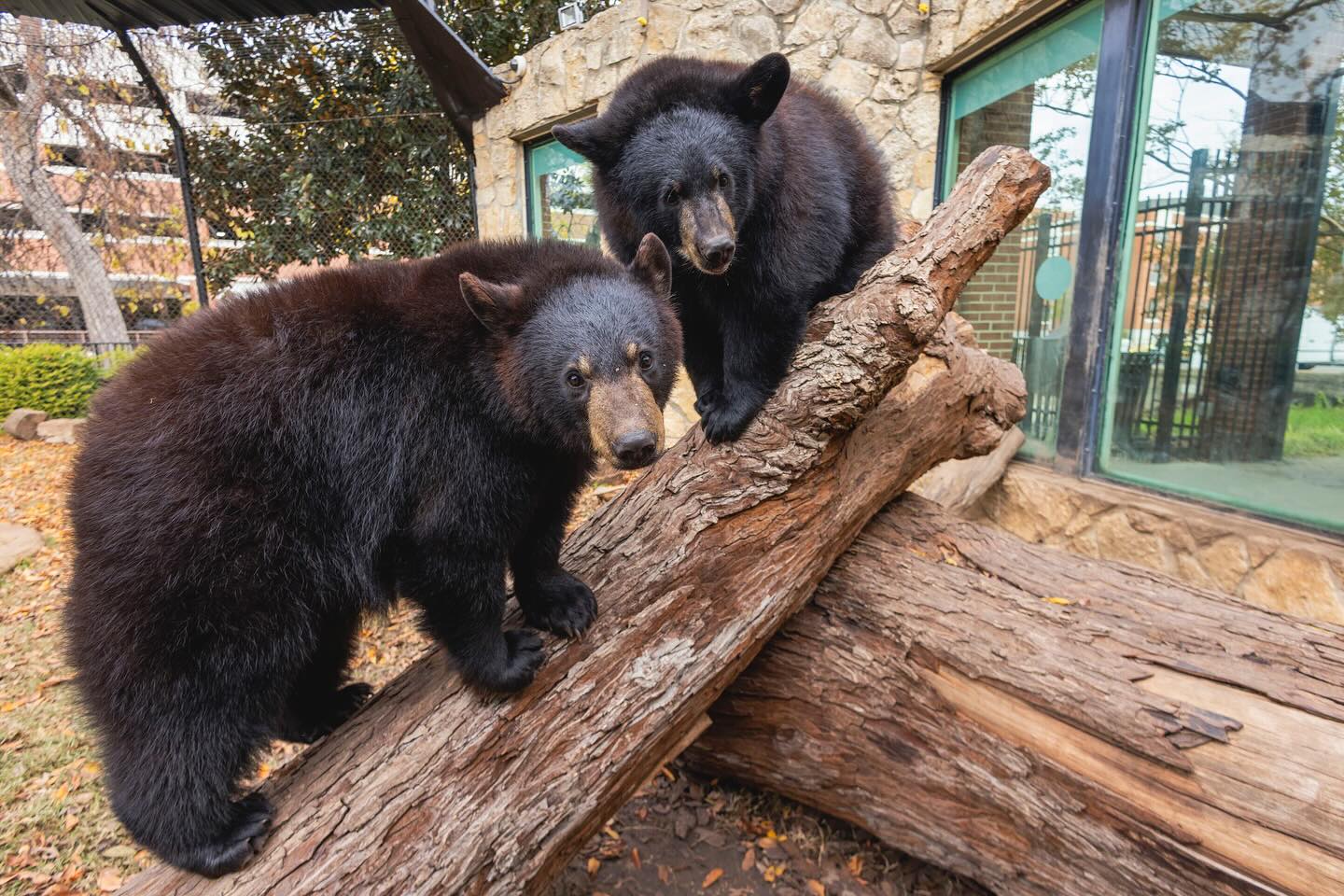
- Happy National Mascot Day: An Overview of Live Mascots
- The Role of Live Mascots in Wildlife Conservation
- Notable Live Mascots and Their Stories
- Animal Welfare Considerations in Mascot Usage
- How Mascots Promote Education and Awareness
Happy National Mascot Day is a celebration that highlights the role of live mascots in sports and educational institutions. Live mascots can range from university-affiliated animals to iconic creatures found in zoos across the globe. The celebration serves not only as a nod to these beloved figures but also as an opportunity to address significant themes such as wildlife conservation, animal welfare, and educational outreach.
Live mascots often embody the spirit and culture of the organization they represent. Schools, universities, and sports teams select animals that resonate with their identity, this inclusion of live animals can help create a sense of community and pride. However, this raises questions about the ethical implications of using live animals as mascots. Through Happy National Mascot Day, we can explore both the joy these mascots bring and the responsibilities tied to their care and conservation.
The Role of Live Mascots in Wildlife Conservation cannot be overstated. When organizations utilize live mascots, they often help raise awareness regarding species and ecosystems in jeopardy. For instance, mascots like Smokey Bear serve to promote forest fire prevention and wildlife preservation efforts. In tandem with various conservation campaigns, live mascots become invaluable spokesanimals that engage the public on key environmental issues.
Many institutions partner with wildlife organizations to emphasize a conservation message. This partnership can bolster fundraising efforts that directly benefit wildlife habitats and initiatives. An example is the work done by the San Diego Zoo, where live mascots play a key role in advancing educational programs that inform the public about endangered animals. By enhancing visibility around these creatures, mascots help facilitate greater public investment in conservation projects.
Notable Live Mascots and Their Stories enrich the narrative of participation in conservation. One exemplary mascot is the California condor, often represented in educational programs designed to save this critically endangered bird. The condor’s story offers an opportunity to highlight the successes and challenges of species recovery efforts. When mascots are cleverly integrated into educational outreach, they can effectively educate the public on the intricacies of species conservation.
Similarly, the various animals that serve as university mascots also have compelling stories. The University of Tennessee’s Smokey, a bluetick coonhound, not only entertains fans but also serves as a symbol for the state’s rich wildlife. His presence encourages discussions surrounding responsible pet ownership, wildlife habitat protection, and the importance of supporting local ecosystems.
Animal Welfare Considerations in Mascot Usage must be prioritised to ensure that live mascots are treated ethically and humanely. Although the engagement that mascots create is sometimes beneficial, it raises imperative questions about the treatment of the animals involved. It is crucial to adhere to guidelines that guarantee the well-being of mascots through appropriate care and habitats.
Institutions are often obligated to provide information about how their mascots are cared for, addressing inquiries from the public. This means ensuring adequate living conditions, dietary needs, and mental stimulation for mascots. Ethical guidelines form a framework to prioritize animal welfare in mascot selection and representation. Those involved in mascot management must consistently evaluate practices to maintain high care standards.
How Mascots Promote Education and Awareness is also vital. Live mascots allow institutions to connect with diverse audiences. They can make learning enjoyable and accessible, breaking down complex scientific concepts into digestible information. Programs that include live animals can enhance interactive learning, making vital ecological issues comprehensible to younger generations and adults alike.
For example, many educational institutions employ live mascots in conjunction with their science curricula. Through hands-on experiences, students are encouraged to engage with wildlife conservation principles actively. Programs like this lend themselves well to fostering a sense of responsibility and stewardship toward nature.
Zoo-based mascots often play similar roles. They serve as bridges between conservation messages and the public. Programs featuring these mascots can encompass discussions about biodiversity, habitat loss, and the interconnectedness of ecosystems. Different age groups benefit from well-structured educational opportunities provided by mascots, translating the often-abstract ideas of conservation into relatable experiences.
The celebration of Happy National Mascot Day serves as a poignant reminder of the critical roles mascots have in our society. From promoting wildlife conservation to inviting ethical discussions about animal treatment, live mascots hold a unique position in education and environmental stewardship. Their presence can inspire fans to become active participants in conservation initiatives, transforming enthusiasm into measurable action.
Understanding the significance of mascots extends beyond their entertaining value; it emphasizes a collective responsibility to advocate for animal rights and wildlife preservation. As we celebrate Happy National Mascot Day, we honor the lives and stories of these majestic animals and renew our commitment to a future where we protect the diverse life that shares our planet.
It’s important for institutions using live mascots to form strong bonds with reputable organizations focused on wildlife conservation. This fosters a sense of trust and responsibility and lays a foundation for community engagement around important ecological issues. Such collaborations can serve as role models for other institutions looking to incorporate live mascots into their outreach operations.
With an increasing call for transparency in the treatment of live mascots, it is imperative to maintain an ongoing dialogue about best practices in their care and representation. Public interest in animal welfare equips communities with the tools necessary to demand ethical treatment of mascots. The celebration of Happy National Mascot Day should, therefore, also focus on how these beloved creatures contribute to education, conservation, and the ethical considerations surrounding their treatment.
This day holds potential for significant discussions about the responsibilities we share in fostering a world where wildlife thrives alongside human activities. As we celebrate the joy mascots bring to our lives, let’s not overlook their potential as catalysts for change. The path forward is to prioritize animal welfare, elevate conservation efforts, and harness the power of education to inspire future generations.
As we reflect on Happy National Mascot Day, we recognize that mascots are more than just symbols; they embody the spirit of the call to action for wildlife preservation. In their stories and presence, we find opportunities to engage deeply with the crucial topics of conservation and responsible stewardship of animal welfare. By understanding the complexities surrounding live mascots and their role in our communities, we can drive meaningful change for future biodiversity. This celebration is a step towards a united front in promoting a sustainable future where humans and wildlife coexist harmoniously.
*****
Source Description
Happy National Mascot Day from your favorite live mascots! 🐻🐻
