
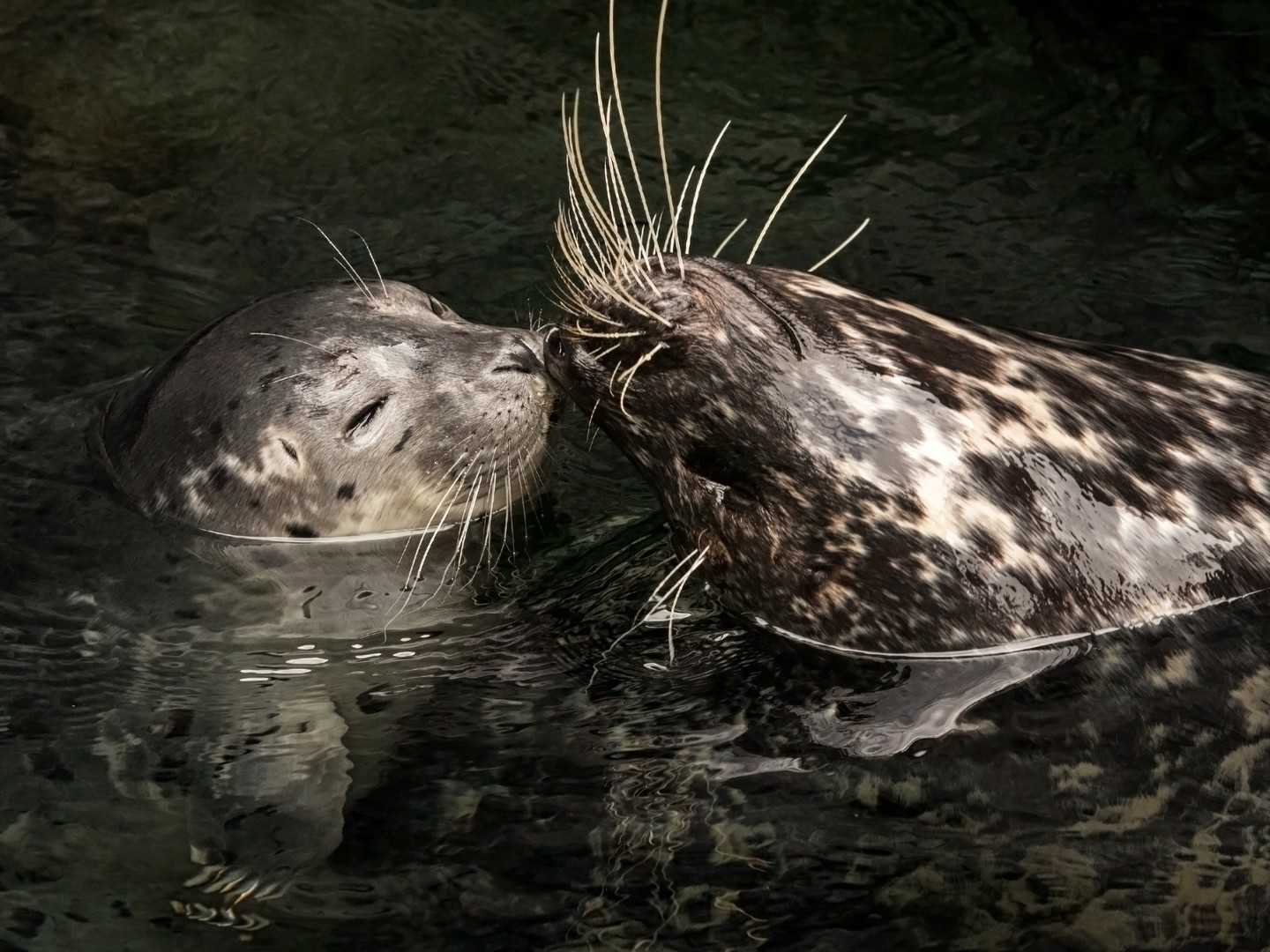
- The significance of Mother’s Day in celebrating maternal figures.
- The role of marine mammals in familial structures, exemplified by Shelby the harbor seal and her calf, Kaya.
- The importance of marine conservation and the link between motherhood and sustainability.
- Engaging the community in marine education and raising awareness about oceanic ecosystems.
- The contributions of aquarium staff in promoting wildlife stewardship and family engagement.
Mother’s Day serves as an important occasion to honor the invaluable contributions of mothers and mother figures across all walks of life. It is a moment to acknowledge not only the hard work and sacrifices made in raising their families but also the nurturing bond that defines motherhood. At our Aquarium, we especially commemorate this cherished day by shining a light on the mothers living among us, such as Shelby, the harbor seal, and her calf, Kaya. Through their relationship, we gain insights into the wonders of maternal care and the complexities of marine life.
Marine mammals, like harbor seals, display striking familial structures. In many species, maternal care is crucial for the survival and development of the young. Shelby, as a mother harbor seal, provides a compelling case study in this regard. Harbor seals typically give birth to a single pup each breeding season, demonstrating a unique bond between mother and calf, characterized by attention and protection. After birth, the mother nurse the pup with nutrient-rich milk, allowing it to rapidly develop physical strength and skills necessary for survival.
This nursing period is significant, often continuing for 4 to 6 weeks. During this time, a mother seal must be vigilant, teaching her calf essential skills such as swimming and foraging. The bond formed during these early weeks is pivotal, as it establishes trust and security. Observing Shelby and Kaya at the Aquarium demonstrates how maternal instincts guide survival tactics and social interactions, just as they do in terrestrial mammals.
Understanding the maternal instinct in marine mammals can shed light on broader ecological principles and conservation strategies. The survival of species often hinges on effective maternal care, and losses in maternal populations can result in cascading effects on ecological systems. Our efforts to conserve species like harbor seals are not merely about preserving the creatures themselves; they also involve safeguarding the family structures that maintain ecological balance. Conservation through education and engagement is essential in ensuring that future generations understand their connection to marine life.
Community engagement is another vital aspect of our mission at the Aquarium. By providing families the opportunity to learn about marine ecosystems, we foster a sense of responsibility. Mothers play a crucial role in imparting knowledge about the ocean and its inhabitants to the next generation. Through programs designed for families, we create meaningful experiences that bond parents and children while promoting awareness of environmental issues. This connection can inspire young individuals to become advocates for marine conservation.
By highlighting the mother-daughter duo of Shelby and Kaya, we embody our commitment to education and conservation. They symbolize the connection that can be formed between families and wildlife, illustrating the unique experiences that can occur in natural settings. The Aquarium acts as a living classroom, enhancing our visitors’ understanding of marine life and encouraging them to be advocates for preserving these ecosystems.
Our dedicated staff further enhances this educational experience for guests. Their expertise in marine biology and wildlife conservation equips them to answer questions and facilitate discussions aimed at deepening understanding and appreciation for marine ecosystems. Each staff member contributes to initiatives designed to engage guests of all ages. Educational programs, interactive exhibits, and family-oriented events ensure that learning about the importance of marine life becomes a shared experience.
Fundamental to our mission is the understanding that raising awareness about marine preservation translates to real-world impacts. Mothers, whether human or animal, often demonstrate nurturing behaviors that directly affect their environments. By cultivating these relationships and understanding their importance, we enrich the community’s connection to the ocean and its inhabitants.
The challenges facing marine ecosystems today are significant. Issues such as pollution, climate change, and habitat loss threaten the very fabric of oceanic life. It is through the combined efforts of staff, visitors, and conservationists that we can create change. We aim to promote practices that mitigate human impact and foster healthier ocean ecosystems. Awareness campaigns, educational outreach, and proactive conservation efforts can lead to practical solutions that benefit both marine life and local communities.
The narrative of Shelby and Kaya serves as an essential guide in these efforts. By bringing attention to these animals and their behaviors, we not only educate ourselves but can also stimulate action. Programs at the Aquarium can inspire visitors to contribute to marine conservation by advocating for policy changes, participating in beach clean-ups, or supporting organizations dedicated to preserving marine habitats.
The relationship displayed by Shelby and Kaya encourages guests to view wildlife not simply as a series of displays at the Aquarium but as integral components of a larger ecosystem. Mothers in the animal kingdom carry tremendous responsibilities, reflecting the profound implications of nurturing and caring for the environment.
As we actively celebrate Mother’s Day, it becomes imperative that we extend our appreciation to all forms of motherhood, human and animal alike. The nurturing bond shared between mothers and their offspring plays a critical role in shaping species and their environments. The responsibilities inherent in motherhood serve as a reminder of the delicate interconnections found in ecosystems around the globe.
At the Aquarium, family-oriented programming around Mother’s Day offers opportunities for deeper engagement, showcasing the pivotal role that marine life plays in ecological stewardship. Interactive exhibits allow visitors to connect with marine life directly, imparting crucial knowledge while creating good memories with their families. Crafts, talks, and demonstrations bring our mission to life, making conservation an interactive experience that resonates with everyone.
In understanding marine mammals like Shelby, visitors can grasp larger concepts associated with marine science, ranging from biology and ecology to conservation methods. The fish that await eager pups in the ocean reflect a diversity vital to maintaining healthy ecosystems. The effects of interpersonal connections between mothers and offspring are not limited to the walls of the Aquarium but are echoed in the vast waters where countless marine creatures dwell.
Being mindful of our shared responsibilities toward ocean conservation cultivates respect and appreciation for our aquatic neighbors. The legacies of maternal figures, whether they are two-legged or four-flippered, can forge a path for sustainability that benefits the earth.
Honoring mothers each year also serves as a springboard for further discussions about wildlife, community, and stewardship. By celebrating familial bonds in nature, we can inspire greater understanding and respect for the natural world. At the Aquarium, mothers like Shelby demonstrate extraordinary strength and tenderness, providing vital lessons in care, resilience, and the importance of nurturing both fellow beings and the environment for years to come.
*****
Source Description
Happy Mother’s Day! Today we celebrate not only the amazing mothers who live at our Aquarium, like Shelby the harbor seal, but our incredible staff and guests who share their love of the ocean with their families. 💙
Photo of mother and daughter, Shelby & Kaya, by Robin Riggs
