
- The ecological significance of butterflies as pollinators
- The life cycle of butterflies and their role in ecosystems
- Identifying different butterfly species and their habitats
- Conservation efforts for butterflies and how to support them
- Engaging with butterflies at exhibits like Butterflies & Big Bugs
Butterflies, those charming gliders that flit gracefully from flower to flower, serve as symbols of beauty and life in many cultures. Their vibrant colors and delicate wings instantly capture our attention, adding an enchanting element to gardens and natural spaces. Beyond mere aesthetic appeal, butterflies are crucial players in the pollination process. This article explores the ecological importance of butterflies, their life cycle, the diversity of species, conservation efforts geared towards their protection, and how exhibitions like Butterflies & Big Bugs allow us to appreciate these remarkable insects up close.
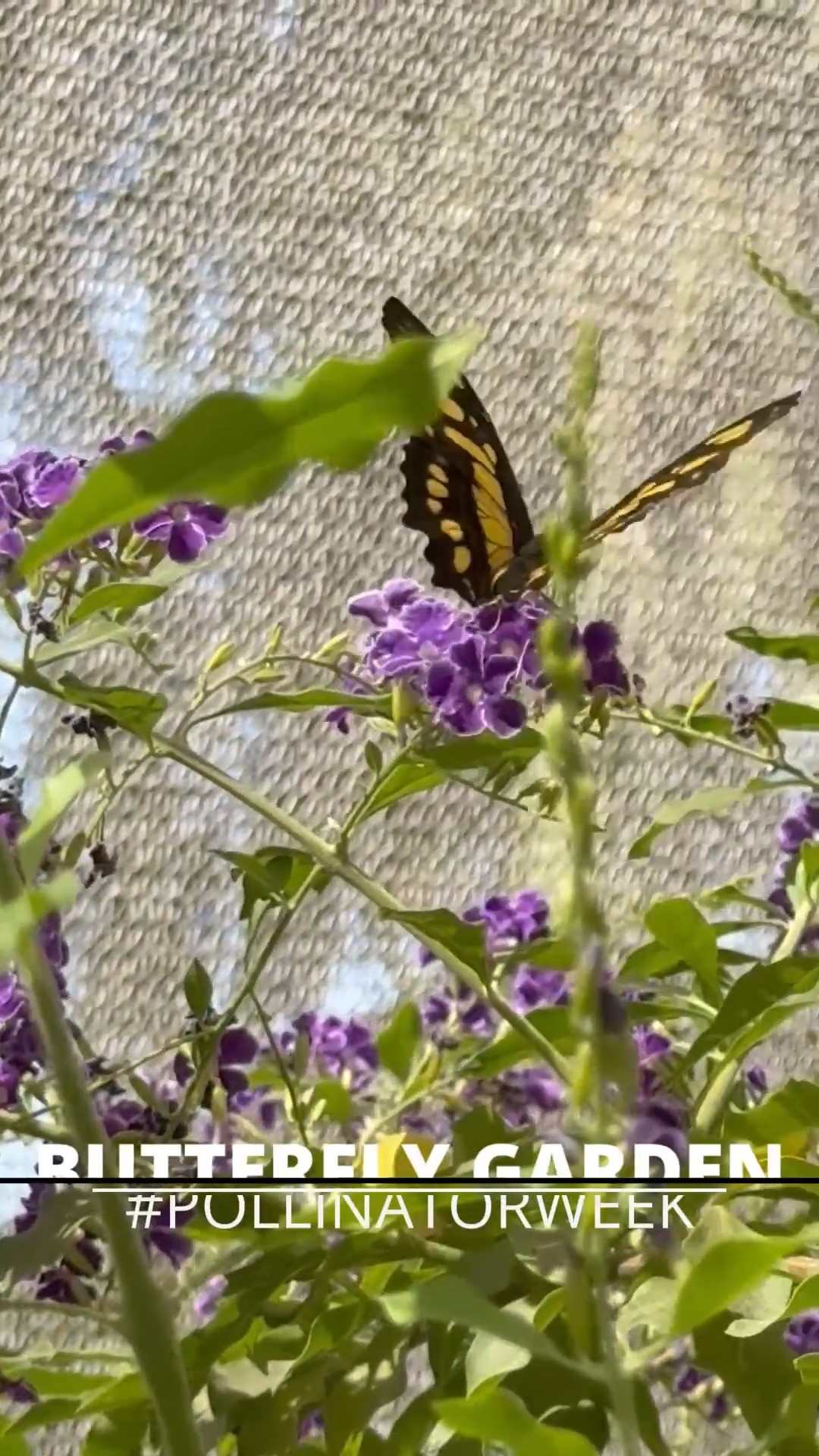
The role of butterflies in the ecosystem cannot be overstated. As pollinators, they facilitate reproductive processes in numerous flowering plants. When a butterfly feeds on nectar, it inadvertently transfers pollen from one flower to another, contributing to the fertilization that allows plants to produce fruits and seeds. This action supports biodiversity, as flowering plants are foundational to many ecosystems. According to a study from the University of Florida, butterflies account for 30% of pollination for some crops, underscoring their economic relevance as well. Without these pollinators, many plants would struggle to reproduce, which could lead to reduced food sources for various species, including humans.
Understanding the life cycle of butterflies helps illustrate their value in ecosystems. Butterflies undergo a process called complete metamorphosis, which includes four distinctive stages: egg, larva (caterpillar), pupa (chrysalis), and adult butterfly. Each of these stages plays a vital role in the butterfly’s development and, consequently, in the health of the environment around them. The caterpillar stage, for instance, is primarily focused on growth. During this time, these larvae consume vegetation, which helps regulate plant populations. The chrysalis stage is a transformative period where the caterpillar undergoes significant physical changes; this stage is crucial as the adult emerges ready to fulfill its role in pollination.
Moreover, the diversity in butterfly species is astounding. There are approximately 20,000 known species globally, each adapted to specific environments and climates. Some notable species include the Monarch, the Swallowtail, and the Painted Lady, each exhibiting unique behaviors and preferences for certain host plants. For example, Monarch caterpillars exclusively feed on milkweed, making their survival intricately linked to the availability of this particular plant. This relationship underlines the necessity for diverse plant life to support butterfly populations, emphasizing a need for greater awareness in maintaining natural habitats.
Conservation efforts dedicated to butterflies have gained momentum in recent decades due to increasing awareness of their declining populations. Habitat loss, climate change, and pesticide use have severely impacted butterfly numbers across the globe. Organizations such as the National Butterfly Center and the Xerces Society for Invertebrate Conservation are working tirelessly to reverse this trend. They promote habitat restoration, educate the public about butterfly-friendly gardening practices, and advocate for policies that protect butterflies and their habitats.
One way individuals can help is by creating butterfly gardens. Planting native flowering plants that attract butterflies can support their life cycles. Additionally, minimizing pesticide use can protect these essential insects and other beneficial fauna. Even small efforts can accumulate, fostering environments conducive to butterfly survival. By participating in local conservation initiatives, individuals can contribute significantly to these efforts.
Engaging with butterflies becomes a memorable experience when visiting places like Butterflies & Big Bugs. Exhibitions provide an opportunity to observe butterflies in various life stages, allowing visitors to learn about their biology, behavior, and ecological roles. Interactive displays can teach guests about the importance of butterflies and offer practical tips on how to contribute to their conservation. Whether it’s watching butterflies take flight or observing them feed, such experiences facilitate a deeper appreciation for these insects and their importance in our ecosystem.
Butterflies also serve as excellent indicators of environmental health. Their presence often reflects the overall well-being of their ecosystems. A rich diversity of butterfly species typically signifies a healthy environment, whereas declines in certain populations can indicate ecological stress. Monitoring butterfly populations provides valuable insight into environmental changes, offering an essential tool for conservationists seeking to measure the health of various habitats.
Another fascinating aspect of butterflies is their migratory behavior. Monarch butterflies, for instance, undertake an epic journey of up to 3,000 miles from North America to central Mexico each year. This migration is one of nature’s most remarkable phenomena, demonstrating the butterflies’ resilience and adaptability. During this journey, they face numerous challenges, including extreme weather, habitat destruction, and food scarcity. By studying these migratory patterns, scientists gain crucial insights into the challenges butterflies face, which can inform conservation strategies.
Recognizing the interconnectedness of all species within ecosystems is crucial. Butterflies contribute not only to the health of plants but also support other wildlife. Birds, small mammals, and other insects often rely on healthy butterfly populations as a food source. Thus, efforts to conserve butterflies can ripple throughout an entire habitat. Promoting biodiversity by safeguarding various species ensures a more robust ecosystem resilient to changes and threats.
As you explore the fascinating world of butterflies, reflect on the ways you can support their populations. Noticing how butterflies interact with their environment can enrich your appreciation for nature. Whether you live in an urban area or a rural setting, there are opportunities to aid in butterfly conservation. Engaging in community gardening efforts, participating in citizen science projects, or simply learning about local butterfly species can make a difference.
From their vital role as pollinators to their mesmerizing life cycle and the beauty they bring to natural spaces, butterflies are more than just ornamental beings. They are essential contributors to the ecological balance of our environments. Conservation efforts aimed at these insects hold significant implications for biodiversity and ecosystem stability. As we celebrate these gorgeous gliders, let us strive to integrate their protection into our daily lives and encourage others to do the same. The beauty and functionality they offer are truly a treasure worth nurturing for future generations.
*****
Source Description
Celebrating with a shoutout to our beautiful butterflies! These gorgeous gliders not only add charm to our gardens but also act as effective pollinators alongside bees. You can witness them at work during your next visit at Butterflies & Big Bugs 🦋
