
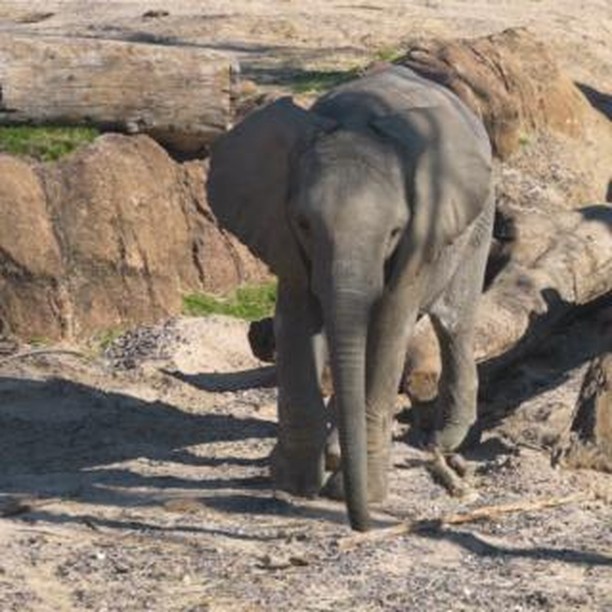
- Celebrating Okubili’s second birthday: Growth and development
- Personality traits of Okubili and their significance in social structures
- The importance of physical activities and enrichment for elephants
- Training methodologies in zoology and their applications in elephant care
- Conservation efforts in protecting elephant habitats and species
Celebrating Okubili’s second birthday marks a significant milestone not only for him but also for the wider conversation about elephant care and conservation. As elephants grow, their developmental stages offer insights into their overall health and well-being. At just two years old, Okubili, affectionately known as Oki, tips the scales at an impressive 1,790 pounds. This commendable weight reflects the nourishing environment provided by his caretakers and highlights how critical first years are in an elephant’s life for physical growth.
Oki represents the spirit and vitality of his species. Despite his relatively young age, he is already showcasing behaviors characteristic of a thriving elephant. Observing his playful antics, from headstands to seemingly fearless climbs on logs or even his fellow herd members, illustrates the lively personality traits elephants are known for. Understanding these traits not only enriches our appreciation of Okubili but also reinforces the social structures elephants inhabit, emphasizing the role of play and interaction in their communities.
The personality of an elephant like Oki is not to be underestimated. The characteristics displayed—curiosity, energy, and playfulness—are integral to social bonding within a herd. Elephants communicate through a complex array of vocalizations and signals; thus, understanding an individual’s personality can help zookeepers foster better environments for social interactions. Curiosity about their surroundings often leads to exploring their habitat, which is essential for mental stimulation.
Physical activities are critical for elephants, particularly as they continue to grow. Activities such as swimming and climbing, which are evident in Oki’s playful nature, serve multiple functions. They contribute to physical fitness, promote social interactions, and provide valuable opportunities for learning. For Okubili, watching his father Tendaji push logs not only serves as entertainment but also as a way to adopt behavioral techniques necessary for future survival in the wild. These behaviors are crucial for developing skills he might need if he were to live in a natural setting.
Moreover, headstands and swimming show how essential physical play is for the overall well-being of elephants. This kind of exercise helps maintain their physical condition, ultimately supporting strong muscles and joints. When elephants engage in these activities, they also practice social skills, crucial for interacting with their peers. Understanding these aspects of enrichment allows zookeepers and caretakers to optimize habitats to provide both physical and mental stimulation.
A pivotal part of Okubili’s care involves training sessions with his handlers. These sessions are not merely about teaching commands; they are instrumental in shaping behaviors that can contribute directly to veterinary care. Training methodologies employed in zoos focus on positive reinforcement, whereby animals learn through rewards. For elephants, this can include treats or praise for completing tasks during training sessions. The skills learned can prove essential when caretakers need to examine health or administer medical treatments.
For example, training initiatives help reduce the stress associated with veterinary care. Elephants like Oki can learn to cooperate with elements such as foot care, which is vital for their health. Through these methods, handlers provide the best possible care while fostering Oki’s development. An engaged animal that actively learns new skills often requires a more tailored approach to individual needs, and this educational engagement helps in establishing trust.
Conservation efforts play a crucial role in the long-term welfare of elephant populations. The challenges facing elephants, such as habitat destruction and poaching, cannot be understated. As ambassadors of their species, elephants like Okubili highlight the importance of wildlife conservation. Protecting these majestic creatures goes hand in hand with preserving their habitats, which in turn supports the diverse ecosystems elephants inhabit.
The Gregg Hudson Giants of the Savanna area, where Oki is currently residing, is a prime example of a dedicated space aimed at educating the public about elephant conservation. This habitat is undergoing a deep clean to enhance the experience for both the animals and the visitors. Such initiatives align with the zoo’s mission to provide state-of-the-art, healthy environments. Scheduled upgrades ensure that the habitats remain suitable for not only elephants but other species like giraffes and kudu. These cleaning processes enrich the living conditions and thus support better animal health and display.
The proactive steps taken by the zoo management to maintain and improve animal habitats emphasize a commitment to wildlife care. With an increasing focus on educational programming, zoos play an important role in fostering awareness of ecological issues facing elephants globally. Public engagement in conservation initiatives can have lasting effects on how communities view and protect wildlife.
As Oki celebrates this momentous birthday, it is essential to recognize the roles various factors play in his development, personality, and quality of life. The integration of enriching activities, advanced training methodologies, and ongoing conservation efforts underline the importance of a holistic approach to zoo management.
In honoring Okubili’s birthday, we are invited to reflect on the broader narrative surrounding elephant conservation and care. The complexities of their lives—from individual experiences to the vital role they play in ecosystems—demand informed conversation and action. Engaging the public in such discussions not only advocates for elephants but also inspires generational interest in wildlife conservation.
Let Okubili’s spirited personality shine as a reminder of the importance of preserving such remarkable animals. The emphasis on health, enrichment, and social dynamics builds a foundation for understanding and preserving elephant populations. As we send our birthday wishes to Oki, we are reminded that every birthday is an opportunity to learn more about elephants and what can be done for their continued survival.
*****
Source Description
It’s hard to believe our “little” guy is already two years old!
Don’t let his size fool you, Okubili has one big personality and now weighs 1,790 pounds!
Oki is full of energy and curiosity. His favorite activities include headstands, swimming, and climbing on logs, walls, and even his fellow herd members! Watch the video closely to see his tiny tusks starting to poke through. He loves watching his dad, Tendaji, push logs around the habitat and enjoys showing off his own mini-trunk pushes. Oki is also eager to learn new behaviors during training sessions, which help his zoologists provide the very best care.
Join us in sending your biggest and brightest birthday wishes to this amazing elephant ambassador!
ICYMI: Our Gregg Hudson Giants of the Savanna pools are currently undergoing a deep clean. During this time, elephants, giraffes, and kudu will be off habitat. The pools are scheduled to reopen, sparkling clean, on Saturday, March 1.
