
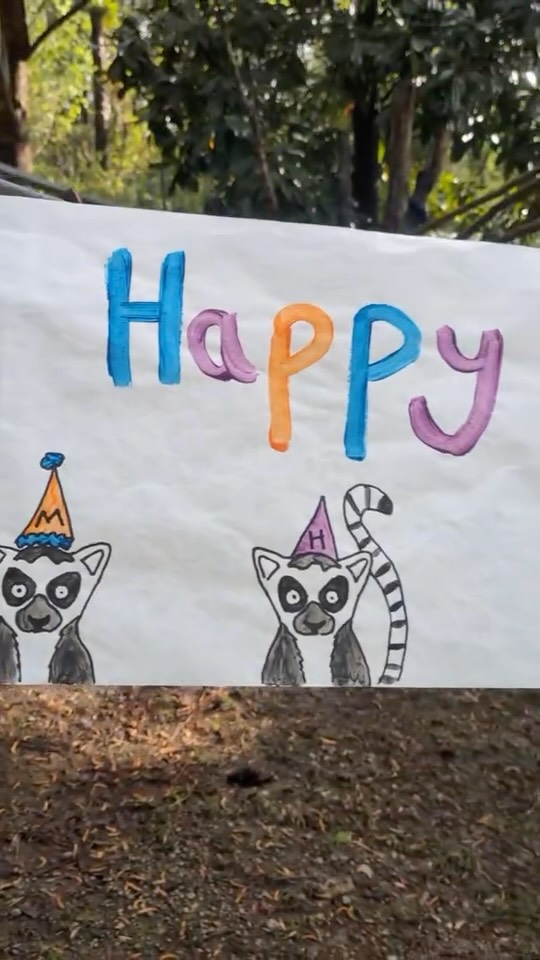
- Celebrate the unique characteristics and birthdates of ring-tailed lemurs in a zoo setting.
- Understand the nutritional and dietary needs of lemurs through creative culinary offerings.
- Highlight the role of zoo management and animal care professionals in fostering animal welfare.
- Explore the implications of wildlife conservation efforts and public education in zoos.
Ring-tailed lemurs, native to Madagascar, are iconic primates recognized for their striking tails marked with black and white rings. These lemurs serve as ambassadors for their species, reflecting the rich biodiversity of their natural habitat. In a zoo environment, celebrating their birthdays not only marks a special occasion but also provides an opportunity to educate the public about these fascinating creatures.
Recently, a troop of ring-tailed lemurs celebrated a joint birthday at a zoo due to their close birthdates. The troop included Cassandra, Oliver, Maky, Misa, Henri, and Dan, each with their unique personalities and traits. Such events allow zoo visitors to engage with the animals, observe their behaviors, and learn about their significance in the ecosystem.
The birthday party featured a special "strawberry upside-down cake" tailored to meet the dietary needs of lemurs. Lemurs primarily eat fruits, leaves, and flowers. The cake consisted of special biscuits mixed with cooked pear, topped with applesauce, strawberry slices, and redbud blossoms. This creative concoction was not only a treat but also a nutritional supplement. Understanding the dietary habits of lemurs is crucial for their maintenance in captivity. The specialized diet helps keep the animals in peak health, reflecting the zoo’s commitment to their well-being.
Zoo management and animal care professionals play a crucial role in the daily lives of lemurs. Shayna, Michaela, and Sarah, the animal care staff responsible for crafting the cake, demonstrate the dedication required to maintain animal welfare. Through careful observation and understanding of the lemurs’ needs, these professionals enrich the animals’ lives with activities and diets that stimulate both mental and physical health. Their work underscores the multifaceted responsibilities of zookeepers, where every action is aimed at enhancing the quality of life for the animals under their care.
Educational events like these highlight the importance of conservation efforts in zoos. While ring-tailed lemurs are captivating to observe, they also face challenges in the wild, including habitat loss and hunting. By showcasing the lemurs in an engaging manner, zoos educate the public on these issues, encouraging conservation awareness and action. This connection between the lemurs and visitors fosters a sense of responsibility and ethical stewardship towards wildlife and natural environments.
In the context of wildlife conservation, zoos serve as vital refuges for endangered species. They provide a safe haven where animals like the ring-tailed lemurs can thrive. Additionally, they serve as hubs for research and breeding programs aimed at bolstering wild populations. By participating in global conservation efforts, zoos help preserve genetic diversity and mitigate the threats faced by many species in their natural habitats.
The joint birthday celebration not only delights visitors but reinforces the zoo’s mission of education and conservation. As lemurs partake in their specially crafted feast, they continue to intrigue, educate, and resonate with those who witness their charm. This event exemplifies the interconnectedness of animal welfare, public engagement, and conservation in zoo environments.
Understanding lemur behavior is equally important for their management in captivity. Known for their sociability and intelligence, ring-tailed lemurs exhibit complex behaviors that are intriguing to study. In a captive setting, providing enrichment activities that mimic natural behaviors is essential for their mental well-being. Enrichment activities range from puzzle feeders to interactive games, which stimulate the lemurs’ problem-solving abilities and maintain their cognitive functions.
The design of the lemurs’ habitat within the zoo is another crucial aspect of their care. A well-structured environment mimics the lemurs’ natural surroundings to encourage natural behaviors like foraging, climbing, and socializing. Elements such as trees, ropes, and platforms are thoughtfully incorporated to simulate the varied terrains found in Madagascar. This environmental enrichment plays a vital role in maintaining the lemurs’ physical health and overall happiness.
Public engagement with zoo animals through events like the lemur birthday celebration extends beyond mere entertainment. It fosters empathy and understanding among visitors, creating advocates for wildlife preservation. When people form connections with animals, they become more inclined to support conservation initiatives and contribute to the protection of species and their habitats outside zoo walls.
Efforts by zoos to raise awareness about species like the ring-tailed lemurs are increasingly significant as conservation challenges grow. Education programs, guided tours, and interactive exhibits serve as platforms to disseminate critical information about biodiversity and conservation strategies effectively. By bridging the gap between knowledge and action, zoos empower visitors to become informed global citizens committed to making a difference.
In a world where biodiversity is rapidly declining, the work done within zoos is vital. Whether through celebrating a troop of lemurs’ birthdays or designing comprehensive educational outreach programs, zoos remain steadfast in their mission to conserve and teach. Through their innovative approaches, they continue to inspire curiosity, understanding, and action toward safeguarding our planet’s incredible biodiversity.
Ultimately, the joint birthday celebration of the zoo’s ring-tailed lemurs serves as a testament to the dedication and expertise required to care for animals in captive environments. It highlights the delicate balance between providing exceptional care and fostering environmental stewardship, ensuring that future generations can enjoy and learn from these remarkable creatures. The event symbolizes hope, knowledge, and a shared commitment to the protection of our natural world.
*****
Source Description
Because our ring-tailed lemurs have fairly close birthdates, we threw a joint party for the whole troop!
🩷 Cassandra: March 23, 1994
❤️ Oliver: February 18, 2009
🧡💛 Maky & Misa: April 8, 2012
💜 Henri: March 19, 2013
💙 Dan: March 26, 2013
The “strawberry upside-down cake” is made of special biscuits mixed with cooked pear, topped with applesauce, strawberry slices, and redbud blossoms.
📸, 🍰, and 🎨 by: Animal Care Shayna, Michaela, and Sarah
