
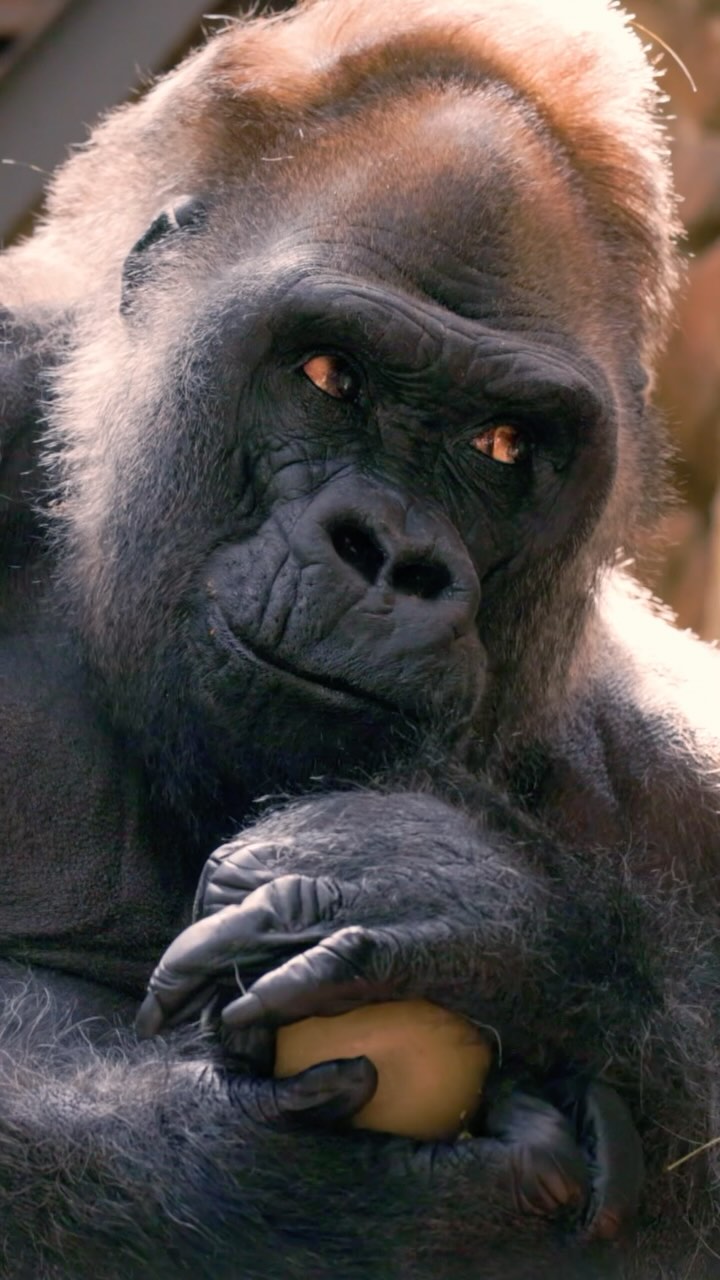
- Ramses’ notable age and significance as the oldest silverback gorilla.
- The extraordinary care provided to Ramses and Amani, focusing on their habitat and dietary needs.
- The bond between Ramses and the primate staff, particularly Linda, and its importance for animal welfare.
- The role of zoos in wildlife conservation and public education.
- Insights into the biology and natural history of western lowland gorillas.
Ramses, the western lowland gorilla, turns 54 today, marking him as the oldest silverback in the world. This extraordinary milestone highlights not only Ramses’ longevity but also illustrates the advancements in zoo management and care practices. Western lowland gorillas typically have an average lifespan of around 35 years in the wild; thus, Ramses’ age is a testament to exceptional husbandry and attention to his needs. It is an inspiring story for animal care professionals and zoo visitors alike.
Ramses has called the Fort Worth Zoo home for over 33 years. His age, combined with his long history at the zoo, allows visitors to appreciate his journey, from a young gorilla at 21 to the senior silverback he is today. His longevity can be attributed primarily to the specialized care provided by the primate staff. This dedicated team focuses on health monitoring, dietary management, and environmental enrichment, ensuring that Ramses has a fulfilling life. Their work goes beyond traditional veterinary care; it encompasses the psychological well-being of the animals, making sure they thrive in captivity.
In addition to specialized care, Ramses lives in a modified habitat designed with both comfort and safety in mind. Along with his lifelong companion, Amani, he occupies a behind-the-scenes area that allows them to enjoy a semblance of their natural lifestyle while ensuring they are secure. The environment is structured to promote natural behaviors such as climbing, foraging, and interacting. It features climbing structures, hiding spots, and sensory stimulation tools. These components collectively aim to replicate aspects of their natural habitat.
The diet of Ramses and Amani is also catered to their specific nutritional needs. The primate staff collaborates with animal nutritionists to devise meal plans that support their health and meet their age-related requirements. Their meals consist of fruits, vegetables, and specially formulated pellets, providing a balanced diet. This attention to nutritional detail plays a fundamental role in the health of these animals, further extending their life expectancy.
Another highlight of their accommodations is a private off-habitat yard. This outdoor space offers Ramses and Amani a sunny area to bask and engage in outdoor activities. The design of this space takes into account both their physical and emotional needs. Spending time outdoors can stimulate natural behaviors and foster mental well-being. The ability to enjoy the sun and interact with their environment contributes positively to their quality of life.
The bond between Ramses and the primate staff is noteworthy, particularly with Linda, who has been part of Ramses’ life for many years. Linda’s experience and dedication to Ramses exemplify the strong relationships that can be forged between humans and animals in zoos. These connections are invaluable for animal welfare. They help caregivers understand specific personalities and preferences, enabling tailored care that enhances the animals’ overall well-being. Linda and Ramses share a deep rapport built over years of interactions, training, and care. Such relationships also help in monitoring behavioral changes, which can indicate health issues.
Ramses isn’t just a gorilla; he serves as an ambassador for his species in wildlife conservation efforts. Gorillas face numerous threats in their natural habitat, including poaching and habitat loss due to agriculture and logging. By showcasing Ramses, the Fort Worth Zoo educates the public about these threats and the importance of conservation. Educating visitors enables a wider audience to understand the significance of protecting wildlife and their habitats.
Zoos also serve critical roles in scientific research and breeding programs for endangered species. Ramses’ longevity allows researchers to study aging in gorillas, contributing to broader knowledge that can be applied to species conservation efforts. Collaborative breeding programs in accredited zoos aim to maintain genetic diversity, ensuring future generations of gorillas can thrive both in captivity and in the wild. These efforts highlight the importance of zoos beyond mere entertainment; they are vital players in global conservation strategies.
Furthermore, western lowland gorillas themselves are fascinating animals deserving of focused attention. These gentle giants display a range of behaviors influenced by their social structures. In the wild, they live in groups led by a dominant silverback male, demonstrating complex social interactions. The dynamics within these groups can provide interesting insights into behavior that informs how they are cared for in captivity.
Physiologically, gorillas are remarkable. They possess strong, muscular builds and are the largest primates on Earth. Adult males, or silverbacks, typically weigh between 300 and 485 pounds and can reach between 4.5 to 5.5 feet tall when standing upright. Their strength is incredible; however, gorillas primarily display gentle nature if not threatened. They are omnivorous, feeding on a diet primarily composed of fruits, leaves, and stems.
Gorillas also have advanced cognitive abilities. Studies have shown that they are capable of using tools, exhibiting problem-solving skills, and demonstrating various forms of communication. For instance, gorillas can use sign language to express needs, an impressive feat that displays their intelligence and social complexity. Understanding these characteristics contributes to better care and enrichment practices at the zoo.
Zoos like the Fort Worth Zoo play crucial roles in the larger conservation landscape. Education, research, and breeding programs all contribute to sustaining wildlife populations. By learning about Ramses and the care he receives, visitors are encouraged to participate in conservation efforts. This engagement is critical, as the responsibilities to protect wildlife extend beyond the confines of the zoo.
Ramses’ story is a powerful reminder of the bonds that can form between humans and animals. It exemplifies the impact that dedicated care can have on the life of a sentient being. The relationship between Ramses, Amani, and their caregivers speaks to the fundamental principles of compassion and respect for all living creatures. The effort devoted to ensuring Ramses’ comfort and health underscores the zoo’s mission to prioritize welfare.
The significance of Ramses turning 54 is far-reaching. His age serves as a beacon of hope and a call to action for wildlife conservation. As visitors celebrate his birthday, they are reminded that each animal is a vital piece of the intricate puzzle of Earth’s ecosystems. Education and conservation efforts can facilitate positive changes that protect these magnificent creatures for future generations.
By engaging in Ramses’ story, we foster a sense of responsibility for wildlife. Understanding the complexities of their care deepens our appreciation for the challenges faced by animals in the wild. This mission reflects the larger endeavor of zoos worldwide to create a more sustainable future for endangered species.
As Ramses enjoys yet another year surrounded by the love and care of his primate staff, his legacy continues. He stands as a symbol of what can be achieved through meticulous care, dedicated staff, and robust education programs. The lessons learned from Ramses’ life are invaluable, resonating beyond the walls of the Fort Worth Zoo, inspiring advocates for animal welfare in every corner of the globe.
*****
Source Description
Ramses is 54 today! 🎈🎈
We’re celebrating another incredible milestone for our western lowland gorilla, Ramses – the oldest silverback in the world. At 54 years old, Ramses continues to surpass the average lifespan of a gorilla, which is a true testament to the exemplary, specialized care he receives from our primate staff.
Ramses arrived at the Fort Worth Zoo over 33 years ago, when he was just 21. Today, he lives comfortably in a behind-the-scenes habitat with his lifelong partner, Amani. The space was specially modified with the couple’s age and safety in mind. In addition to their special habitat, they also receive catered diets and enrichment to help them continue to live a long and comfortable life. They even have a private, off-habitat yard where they can soak in the sun and enjoy the outdoors. It’s safe to say they’re living the retirement dream!
Ramses holds a special place in the hearts of all of us here at the Zoo, especially our primate staff, like Linda, who has spent decades alongside Ramses, estalishing their incredible bond. ❤️🦍
