
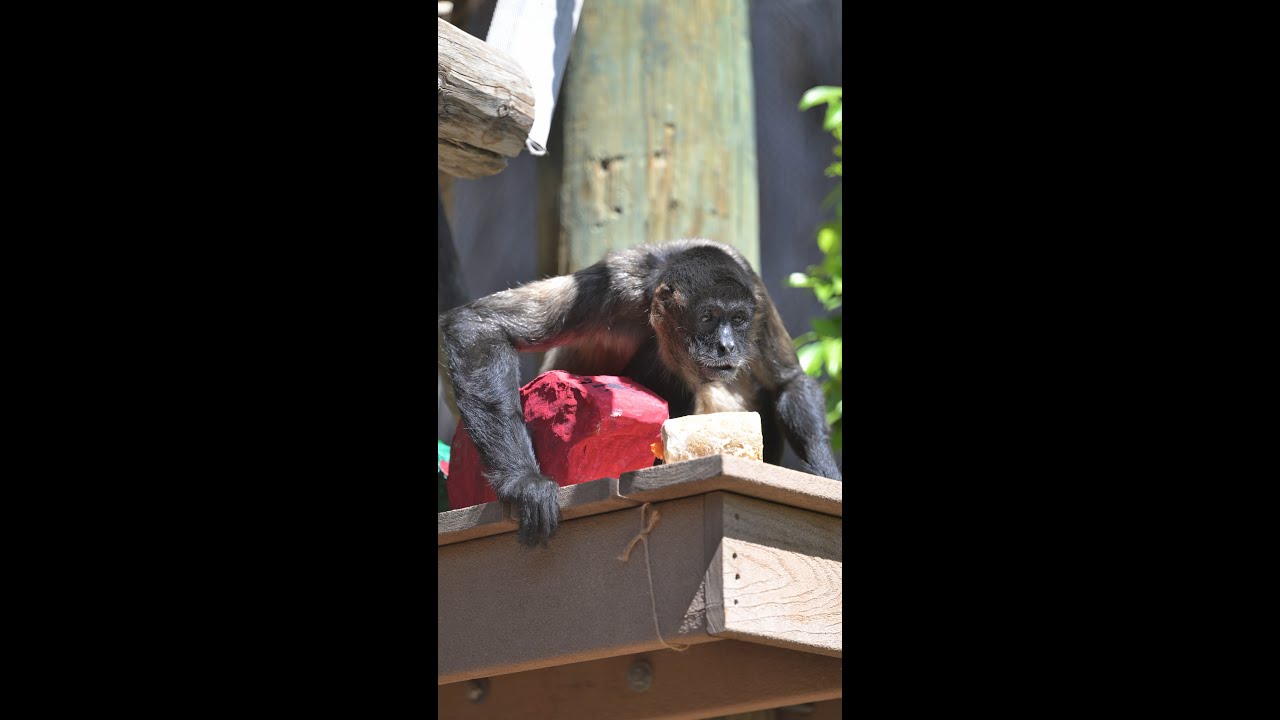
- The significance of Spider Monkey birthdays in zoo environments
- Biological and behavioral traits of Spider Monkeys
- Zoo management practices for the care of Spider Monkeys
- Conservation efforts and challenges facing Spider Monkeys
- The role of educational programs in enhancing public awareness
Spider Monkey birthdays at zoos provide a fascinating lens through which we can understand the broader implications of zoo management, animal care, and wildlife conservation. These events are not only significant for the animals but also offer a unique opportunity for educational outreach, raising public awareness about conservation issues.
Spider Monkeys are part of the Atelidae family, known for their long limbs and prehensile tails, which allow for extraordinary dexterity in the trees. These primates are highly social and intelligent, traits that make them a focal point for many zoo programs around the world. Celebrating their birthdays is not just a festive event; it also serves as an opportunity for zookeepers to enrich the animals’ environment and engage visitors in learning more about these remarkable creatures.
In terms of biology and behavior, Spider Monkeys exhibit distinctive characteristics. They have a diet primarily composed of fruits, which significantly impacts the ecology of their habitats due to their role as seed dispersers. Their social structures are intricate, often comprising multi-male and multi-female groups with dynamic hierarchies. This complexity necessitates a nuanced approach to zoo care and management to replicate their natural habitats and social environments.
Zoo management practices for Spider Monkeys aim to emulate their natural living conditions as closely as possible. This involves designing enclosures that facilitate natural behaviors like foraging and social interaction. Behavioral observations and dietary management are critical components of their care. Zookeepers meticulously monitor these elements to promote physical health and psychological well-being. Regular veterinary checkups, environmental enrichments, and structured socialization activities are all integral aspects of maintaining Spider Monkeys in captivity.
Conservation efforts are paramount, with Spider Monkeys facing threats like habitat destruction and illegal wildlife trade. Their forest habitats are rapidly diminishing due to logging, agriculture, and urban expansion. Conservation programs in zoos contribute by participating in breeding programs, research initiatives, and habitat restoration projects. Additionally, international collaborations focus on creating protected areas and enhancing anti-poaching measures to safeguard wild populations.
Educational programs play a vital role in zoo environments by connecting visitors with the lives of Spider Monkeys. These programs are designed to offer insights into their ecological significance and the conservation challenges they face. Interactive exhibits, keeper talks, and multimedia presentations all contribute to deepening public understanding and fostering a commitment to wildlife conservation.
In conclusion, Spider Monkey birthdays in zoos represent more than just festive occasions; they are critical events that highlight the importance of animal welfare, conservation efforts, and education. Through these celebrations, zoos create meaningful experiences for visitors, ensuring that Spider Monkeys continue to captivate and inspire people across the globe.
*****
Source Description
We love to talk about Bruno, the black-handed spider monkey, who turned 30 last week! 🎂
Fun fact: their tail is prehensile (meaning they can grasp things with it) and it is longer than their body. You can see Bruno and Renetta use their tails to navigate around their habitat, holding onto branches above them to keep balance while climbing!
