
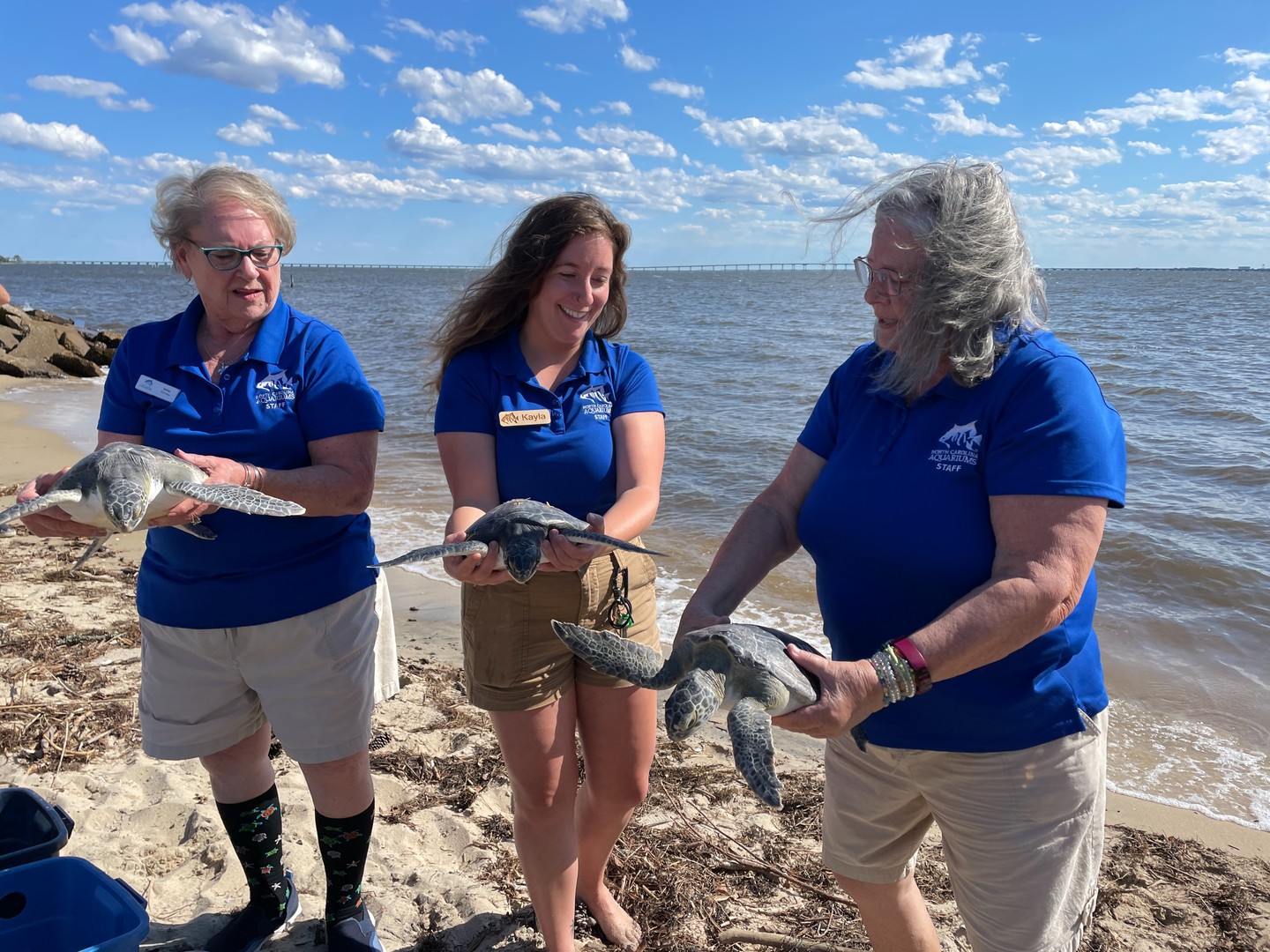
- The impact of cold-stun events on sea turtles and their rehabilitation process at the NC Aquarium.
- The significance of wildlife conservation efforts and public awareness initiatives.
- The role of the NC Aquarium on Roanoke Island in research and education.
- Strategies for improving sea turtle populations in North Carolina.
- Community involvement in supporting conservation initiatives.
The celebration at the North Carolina Aquarium on Roanoke Island serves as a critical turning point for the rescue and rehabilitation of sea turtles. As we reflect upon the conclusion of the cold-stun season and the successful release of rehabilitated sea turtle patients, it is essential to understand the broader context of these events and their implications for wildlife conservation.
Cold-stun events occur when sea turtles experience hypothermia due to sudden drops in water temperature. Typically, these incidents affect species such as the green turtle and the loggerhead. North Carolina waters are especially susceptible to these rapid temperature changes, leading to significant numbers of sea turtles becoming stranded. The aquatic environment becomes inhospitable, and turtles lose their ability to swim effectively. This physiological shock prompts the urgency for rescue operations.
At the NC Aquarium, trained staff members and volunteers work diligently to rehabilitate these cold-stunned sea turtles. Upon arrival, the turtles receive veterinary care that includes physical assessments, fluid therapy, and temperature regulation. The rehabilitation process can take weeks to months, depending on the severity of the cold-stun event. Each turtle’s recovery can vary, but consistent monitoring and specialized care play critical roles in improving their condition. Successful rehabilitation involves restoring the turtles’ strength and ensuring they can navigate their natural habitats effectively.
Through public engagement and outreach, the aquarium highlights the plight of sea turtles and educates visitors about what they can do to help. One of the primary objectives is to raise awareness about the threats faced by marine life, including pollution, habitat loss, and climate change. By informing the public about the impact of these issues, the aquarium emphasizes the need for collective action to improve the situation for sea turtles and other marine species.
Research and education are at the core of the aquarium’s mission. The NC Aquarium conducts scientific studies focusing on turtle health, migration patterns, and population assessments. Understanding these factors allows researchers to contribute to more effective conservation strategies. By collaborating with organizations such as the North Carolina Wildlife Resources Commission, interns and professionals can share valuable data and enhance conservation efforts in the state.
Protecting sea turtle populations in North Carolina requires a comprehensive approach. Legislation and habitat protection are vital to safeguarding nesting sites and feeding areas. For instance, the establishment of marine protected areas can minimize human interference and create safe zones for vulnerable species. Furthermore, efforts to reduce plastic pollution and other contaminants in the ocean directly contribute to healthier turtle populations.
Community support is essential for successful conservation initiatives. The aquarium actively encourages volunteer participation, which ranges from beach clean-ups to educational programs. Engaging local communities not only raises awareness about the importance of protecting marine wildlife but also fosters a sense of responsibility and stewardship among the public. It empowers individuals to become advocates for sea turtles and other marine species, ultimately creating a ripple effect that benefits ecosystems.
The NC Aquarium is dedicated to conserving North Carolina’s marine biodiversity and providing critical resources for the care and rehabilitation of marine animals. By focusing on a holistic approach that incorporates education, research, and community involvement, the aquarium plays a pivotal role in protecting sea turtles and other aquatic life. The recent celebration embodies a successful collaborative effort between the aquarium, local volunteers, and conservation organizations aimed at revitalizing turtle populations.
Conservation can be a complex field. Various factors contribute to the ongoing challenges faced by marine life, often requiring nuanced strategies to address them effectively. Increased awareness and understanding can lead to impactful changes. As we reflect on the significant milestones of this past season, it becomes clear that responsibility lies with individuals and communities to advocate for the environment.
In closing, the success witnessed at the NC Aquarium on Roanoke Island, demonstrated through the rehabilitation and release of sea turtles, is not just a win for marine life but also serves as a catalyst for broader conservation efforts. What has been accomplished thus far highlights the ongoing journey of protecting sea turtles and addresses the complexities of wildlife management in North Carolina. Careful planning, research, education, and community engagement will remain crucial components in sustaining efforts to secure marine biodiversity for the future.
*****
Source Description
We’re celebrating! 🌟 The NC Aquarium on Roanoke Island is celebrating the conclusion of cold-stun season after the recent release of sea turtle patients received this past winter. Link in bio to read the whole story! 📲
