
- The importance of orangutan conservation and the role of zoological institutions.
- Insights into Udara’s development and behavior as she approaches her third birthday.
- The significance of the Orangutan Species Survival Plan and the Topeka Zoo’s participation.
- The educational value of engaging with the public about orangutans.
- The broader implications of conservation efforts on wildlife and ecosystems.
Orangutans are among the most fascinating and intelligent primates on Earth. Their populations, however, are declining rapidly due to habitat loss, poaching, and the illegal wildlife trade. Conservation efforts have become increasingly critical in safeguarding this species. Zoos play a pivotal role in these efforts, serving not only as refuges for endangered species but also as educational platforms for the public. The Topeka Zoo’s commitment to the Orangutan Species Survival Plan illustrates how such institutions can contribute significantly to orangutan conservation.
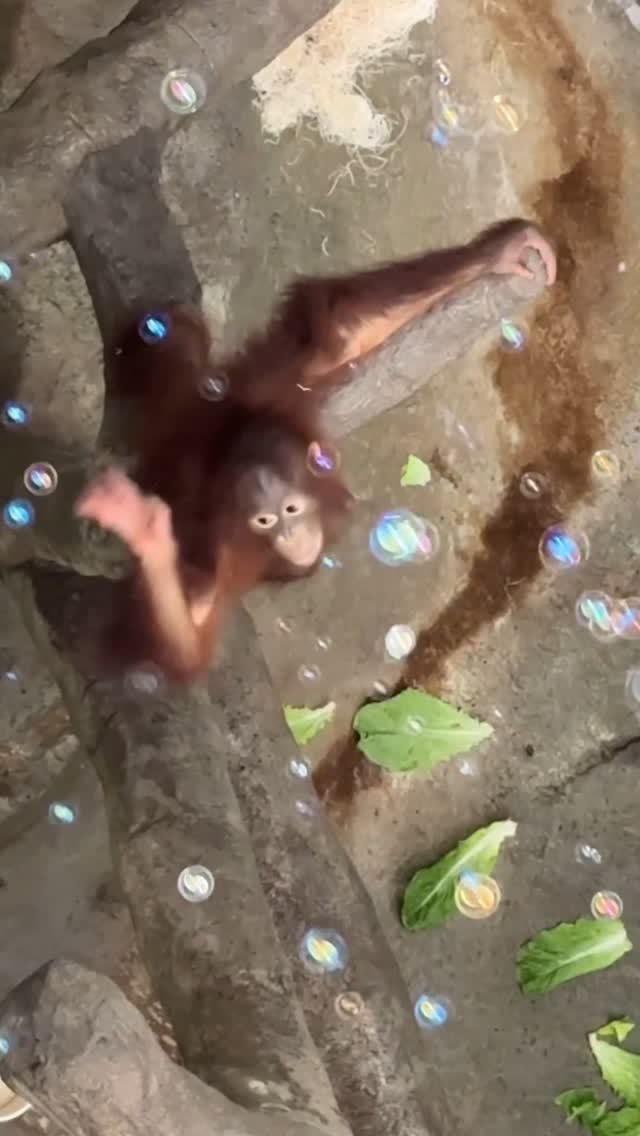
Udara, a Bornean orangutan born at Topeka Zoo, is a prime example of what these efforts can achieve. Growing up in a supportive environment, Udara is becoming increasingly independent as she approaches her third birthday. Her development has been closely monitored and guided by her mother Rudy and her ‘older sister’ figure, Kalijon. This nurturing dynamic allows Udara to explore her surroundings while ensuring her safety. Recent observations show that she takes an active interest in her environment, engaging with various enrichment activities designed to stimulate her curiosity and intellect.
The Orangutan Species Survival Plan (OSP) plays a pivotal role in Udara’s life and the lives of many other orangutans. As a part of this plan, zoos and conservation organizations collaborate to manage the breeding of orangutans in captivity, ensuring genetic diversity and a sustainable population. The OSP not only focuses on breeding but also emphasizes habitat preservation and education. Such initiatives are crucial in mitigating the threats faced by wild orangutan populations.
Topeka Zoo proudly participates in the Orangutan SAFE (Saving Animals From Extinction) program, which focuses on protecting the species through comprehensive efforts that combine science, education, and community outreach. One of the program’s core components is raising awareness about the challenges orangutans face in their natural habitats. By engaging with the community, the zoo fosters a deeper understanding of the vital role orangutans play in maintaining the health of tropical forests.
As Udara grows, her interactions with visitors provide an opportunity for education and advocacy. People often underestimate the intelligence of orangutans, but they demonstrate remarkable problem-solving skills and social behaviors. By watching Udara learn and explore, visitors can appreciate the complexity of orangutan behavior and the importance of protecting their habitats. This educational layer is essential for cultivating future conservationists who understand the intrinsic link between species survival and ecosystem health.
Public engagement is a key component of wildlife conservation. The more people learn about species like orangutans, the more they may feel compelled to advocate for their protection. This is why zoos like Topeka are imperative in amplifying conservation messages and inspiring individuals to take action. Educational programs, informational signage, and animal encounters can significantly contribute to fostering a conservation ethic among zoo visitors.
Moreover, the plight of orangutans serves as a cautionary tale about broader environmental issues. Their habitat, the tropical rainforests of Borneo and Sumatra, is critically endangered due to deforestation and human encroachment. These forests are not just home to orangutans but are vital to global biodiversity as well. Conserving these areas means protecting countless other species and ensuring that carbon-sequestering trees continue to combat climate change.
The interconnectedness of species within their ecosystems enhances the importance of targeted conservation efforts. When one species is threatened, the ripple effects can be catastrophic for others. Therefore, programs like the Orangutan SAFE initiative are not isolated efforts but rather part of a larger conservation framework aimed at preserving the delicate balance of our planet’s ecosystems.
Udara’s birthday celebration next month will not just be a festive occasion; it will also shine a spotlight on the ongoing conservation efforts surrounding orangutans. This event can spark conversations about how individuals can contribute to conservation efforts, even from afar. Simple actions like reducing palm oil consumption, supporting sustainable practices, and advocating for wildlife protection policies can make significant differences.
As Udara continues to grow up in a nurturing environment, each day will bring new learning opportunities, both for her and for those who come to observe her. This young orangutan will serve as a living reminder of the remarkable intelligence and emotional depth found in non-human animals. Her behavior can help capture the hearts of the public, transforming what might be perceived as mere curiosity into a genuine desire to protect her species.
In the end, the importance of orangutan conservation extends beyond the individual animals. It reflects our shared responsibility to preserve the planet’s biodiversity for future generations. Udara, with her playful antics and rapid growth, embodies hope for orangutan conservation. Her life story and those of other orangutans can act as catalysts for broader environmental awareness and stewardship.
By fostering a connection between the public and these remarkable apes, initiatives like the Orangutan Species Survival Plan reveal the vital role that education plays in conservation. As we celebrate Udara’s third birthday, it’s an opportunity not just to mark a milestone in her life but also to rekindle our commitment to protecting her species. Every individual can contribute to these efforts, paving the way for a more sustainable future where orangutans, and all wildlife, can thrive.
Communicating the importance of these conservation efforts is a continuous journey. Education, advocacy, and active participation are essential. Udara’s growth and development provide a tangible focus for these efforts, bringing the broader challenges of wildlife conservation into the realm of public understanding. In observing her journey, we are reminded that although the challenges we face are significant, they are also surmountable through collective action and a shared commitment to preserving our planet’s diverse life forms. Her story is not just about one orangutan but about the future of species preservation, biodiversity, and the ethical treatment of wildlife. The lessons learned from her life resonate far beyond the walls of the Topeka Zoo, echoing in the hearts and minds of conservationists, educators, and citizens around the globe.
*****
Source Description
Hey! Listen!
Udara is turning 3 yrs old next month and we canNOT believe how fast she’s growing up. This little Bornean orangutan is getting more independent and exploring more things on her own each day (usually under supervision of mom Rudy or ‘older sister’ figure Kalijon).
Udara was born under the recommendation of the Orangutan Species Survival Plan (@orangutanssp ) and the Topeka Zoo is a proud supporter & participant in the Orangutan SAFE program.
🎥: Animal Curator Carley
