
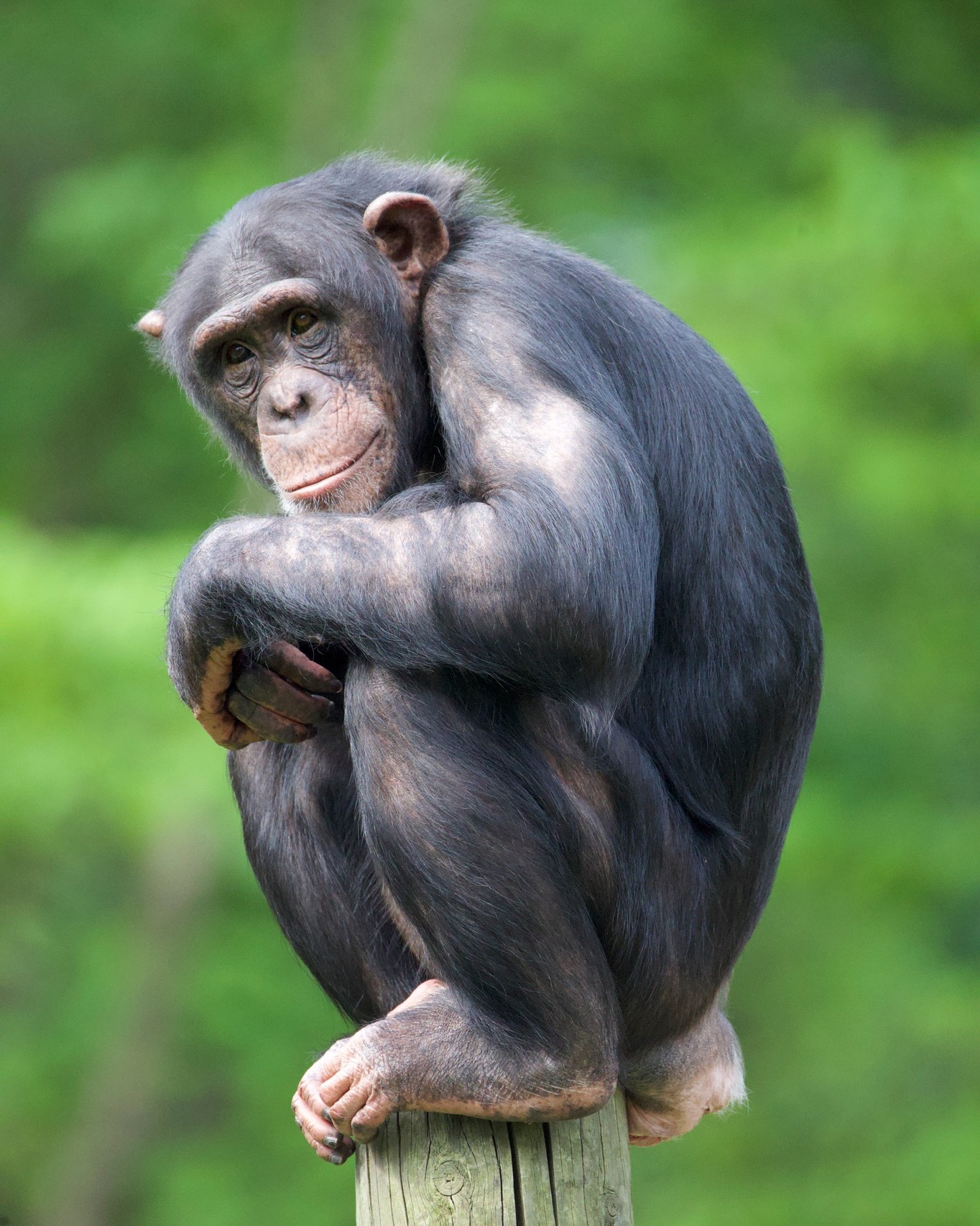
- Understanding World Chimpanzee Day and its Significance
- The Biology and Behavior of Chimpanzees
- Conservation Efforts for Chimpanzees
- Spotlight on Chimpanzee Troops: Meet Zuhura, Kiambi, Susie, Sanga, Donnie, and Sammy
- How You Can Participate in Chimpanzee Conservation
Happy World Chimpanzee Day! This day is not only a celebration but also a call to action. It raises awareness about the challenges chimpanzees face in the wild and in captivity while highlighting the importance of their conservation. As our understanding of these intelligent beings deepens, so too does our responsibility to protect their habitats and ensure their survival.
Understanding World Chimpanzee Day and its Significance is crucial for engaging the public around the global plight of these animals. Established on July 14 each year, this observance aims to educate communities about the critical conservation issues affecting chimpanzees. The day is not just an observance; it serves as a rallying point for conservationists, animal lovers, and anyone who values biodiversity. Awareness campaigns during this day often feature educational programs, social media outreach, and fundraising activities.
Chimpanzees, like humans, are part of the great ape family and share a remarkable 98% genetic similarity with us. Their cognitive abilities allow them to solve complex problems, use tools, and exhibit emotions such as sadness and joy. Understanding these traits helps underline the importance of their conservation. With populations declining due to habitat loss and poaching, awareness initiatives aim to spark action that positively impacts the species.
The Biology and Behavior of Chimpanzees encompasses several fascinating aspects. Chimpanzees are social animals that live in community groups known as troops, which can range from 20 to 150 individuals. These communities operate under a social hierarchy, frequently characterized by complex relationships.
Chimpanzees communicate with one another through vocalizations, facial expressions, and gestures. Research has documented different calls for alarming situations, food discoveries, or social interactions. They also show empathy, comfort each other during distress, and engage in cooperative activities, such as hunting and grooming. Grooming, in particular, is a vital social activity that solidifies bonds within the troop.
Their diet primarily consists of fruits, leaves, seeds, and flowers, but they are also known to hunt smaller mammals. This omnivorous diet is enabled by their use of tools, such as sticks for extracting termites from mounds. Researchers have observed them using stones to crack open nuts, showcasing their problem-solving abilities and learned behaviors.
Chimpanzee emotional and cognitive traits highlight their deep social structure, interactive play among young individuals, and their sophisticated learning processes. These behaviors indicate advanced intelligence and social awareness, making them invaluable subjects for research in fields such as psychology and anthropology.
Conservation Efforts for Chimpanzees are of paramount importance, as their populations are critically endangered. The primary threats they face include habitat destruction due to deforestation, agricultural expansion, and illegal poaching for bushmeat.
Several organizations work tirelessly to safeguard chimpanzee habitats. Conservation programs focus on anti-deforestation initiatives, habitat restoration, and creating protected areas to prevent encroachment. Education also plays a key role; local communities are taught about the ecological importance of preserving chimpanzee populations, which also benefits local biodiversity.
In many parts of Africa, ecotourism has emerged as a sustainable alternative to poaching. By allowing communities to benefit economically from the local wildlife, they become allies in conservation efforts. Sustainable tourism not only brings funding for preserving habitats but also fosters respect for these intelligent animals.
Effective legislation is another crucial aspect of conservation. Laws protecting chimpanzees are essential to combat the illegal wildlife trade and establish sanctuaries for orphaned or rescued individuals. International cooperation is also vital, as these animals often cross national borders. Organizations such as the Jane Goodall Institute and the World Wildlife Fund are at the forefront, working to develop guidelines and enforce laws protecting chimpanzees globally.
Spotlight on Chimpanzee Troops: Meet Zuhura, Kiambi, Susie, Sanga, Donnie, and Sammy. These fantastic individuals represent the intelligence and social richness found within chimpanzee communities. Each member contributes uniquely to their troop’s dynamics.
Zuhura, the eldest female, is known for her nurturing behavior toward younger chimps. She often leads grooming sessions and comforts those who may be distressed. This nurturing role is essential in maintaining social bonds and teaching younger members about their community’s social norms.
Kiambi, known for his inquisitiveness, is often found investigating new objects in his environment or attempting to use tools. His curiosity exemplifies the learning capacity found among chimpanzees. This behavior is vital for survival, as younger individuals observe and learn from elders.
Susie and Sanga are siblings who engage in playful interactions, which contribute to their social development. Their playful behavior mirrors that seen in human children and serves as a critical learning mechanism for understanding social hierarchies and relationships.
Donnie, the troop’s joker, often initiates playful antics that spark joy and laughter among the members. His playful personality lightens the atmosphere and helps to reinforce social ties, ensuring a cohesive troop dynamic.
Lastly, Sammy is known for his intelligence, often solving puzzles and seeking out hidden food sources. His problem-solving skills provide insights into the cognitive abilities of chimpanzees and are vital for enhancing our understanding of animal intelligence.
How You Can Participate in Chimpanzee Conservation. If you feel inspired by these intelligent beings, there are many ways to get involved. First, consider education and awareness. Sharing information about World Chimpanzee Day and the challenges facing these animals can contribute significantly to conservation efforts. Social media platforms can serve powerful outreach tools to engage others on issues surrounding conservation.
Another way to participate is through volunteering with conservation organizations. Many groups offer programs that allow volunteers to take part in protecting wildlife or their habitats. Local wildlife sanctuaries and rehabilitation centers also appreciate help with animal care, fundraising, or educational outreach.
Donating to credible conservation organizations can have a lasting impact. Funds contribute to critical research, habitat restoration, and legal initiatives aimed at protecting chimpanzees and their environments. Research funding is particularly important, as conservation biology plays a significant role in developing effective strategies for species preservation.
Participating in ecotourism allows for a direct connection to wildlife conservation. By visiting areas where chimpanzees live, you support the local economy and promote conservation efforts. This creates an incentive for communities to safeguard their local wildlife, reducing the likelihood of poaching or habitat destruction.
Lastly, advocating for policies and legislation that protect wildlife can play a crucial role in conservation. Engage with policy-making processes or write to representatives urging them to support measures that ensure animals such as chimpanzees receive the legal protections they need to survive.
In summary, World Chimpanzee Day emphasizes the urgency of protecting chimpanzees, with a focus on their biology, behavior, and conservation status. The lives of individual chimpanzees like Zuhura, Kiambi, Susie, Sanga, Donnie, and Sammy remind us of their intelligence and the complex social structures they uphold. By engaging with the community and investing time and resources into conservation, each of us can make a meaningful difference in the lives of these remarkable apes.
*****
Source Description
Happy World Chimpanzee Day 💫
Meet our incredible troop. Today and every day, we’re happy to celebrate Zuhura, Kiambi, Susie, Sanga, Donnie, and Sammy!🧡
