
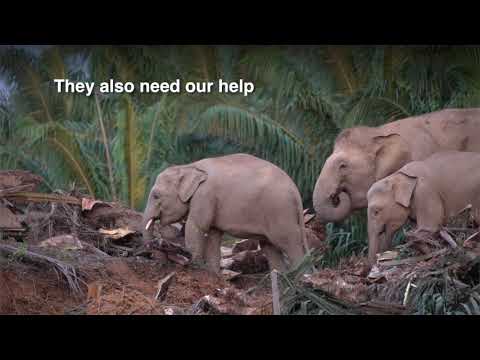
- Importance of World Elephant Day and its impact on wildlife conservation efforts globally.
- Scientific insights into the biology, behavior, and ecology of elephants.
- The role of zoo management in elephant conservation and welfare.
- Challenges faced by elephants, including habitat loss and poaching, and strategies to mitigate these threats.
- The role of education and awareness in fostering elephant preservation cultures worldwide.
World Elephant Day: A Beacon for Conservation
World Elephant Day, celebrated annually on August 12, emerges as a profound platform to raise awareness and advocate for the preservation and protection of the world’s elephants. Established in 2012, this day spotlights the urgent issues confronting elephants globally and fosters discussions about the strategies needed to secure their future. By engaging in meaningful conversations, World Elephant Day plays a pivotal role in galvanizing global support for conservation initiatives. Each year, millions participate in educational and awareness activities, emphasizing the significance of protecting these majestic creatures.
Understanding Elephant Biology and Behavior
Elephants are often recognized as one of the keystone species due to their significant contributions to their habitats. Scientifically known as Loxodonta africana (African elephants) and Elephas maximus (Asian elephants), these creatures are integral to their ecosystems. Their biology is fascinating; elephants possess complex social structures and exhibit remarkable intelligence, emotional depth, and communication skills, including infrasonic calls and body language. The matriarchal social structure, particularly among African elephants, showcases a sophisticated hierarchy where older females lead herds, guiding them through challenges.
Elephants’ bodies are adapted for their environment. Their large ears aid in thermoregulation, while the trunk, with its over 40,000 muscles, serves various roles such as feeding, social interactions, and manipulating objects. Elephants’ diets predominantly include grasses, leaves, bark, and fruits, and their migratory behavior is often driven by the search for food and water, which shapes the landscape, influences biodiversity, and fosters habitat health.
Role of Zoos in Elephant Conservation
The modern zoo plays a crucial role in the conservation and protection of elephants. By adopting best practices in zoo management, these institutions contribute to breeding programs, research, and public education—key pillars of conservation efforts. Effective zoo management strategies include creating enriched environments that mimic natural habitats, offering diverse diets, and facilitating social interactions among captive elephants. Such measures not only ensure physical health but also promote psychological well-being.
Zoos also serve as centers for research, providing valuable insights into elephant health, reproduction, and behavior. By coordinating with global conservation networks, they bolster efforts to reintroduce captive-bred individuals into the wild and support the establishment of protective areas for natural populations.
Addressing Threats: Poaching and Habitat Loss
Elephants face numerous threats that jeopardize their survival. Poaching for ivory remains a critical issue, driven by illegal wildlife trade and demanding a concerted international response. Innovative strategies, such as strengthening anti-poaching measures, employing cutting-edge technology for surveillance, and imposing strict legal penalties, are critical in combating this scourge.
Habitat loss, primarily due to deforestation, agriculture, and expanding human settlements, limits the space available for elephants to roam freely. This fragmentation leads to human-elephant conflicts, resulting in casualties on both ends and necessitating the development of effective conflict mitigation strategies. Conservationists advocate for integrated landscape approaches, ensuring corridors for migration and fostering coexistence between human communities and elephant populations.
Educating for Elephant Preservation
A cornerstone of World Elephant Day is education. Informal education initiatives, public awareness campaigns, and school programs aim to instill a sense of stewardship and responsibility toward elephant conservation. Engaging with communities, especially those near elephant habitats, enhances understanding and collaboration, crucial for long-term conservation success.
Developing educational materials that are accessible and engaging ensures that diverse audiences, from children to policymakers, can grasp the critical issues elephants face. Storytelling and visual media, including films celebrating elephant conservation efforts, serve as powerful tools in capturing public interest and inspiring action.
Conclusion
World Elephant Day acts as a catalyst for global conservation efforts, urging us to band together to save one of the planet’s most magnificent animals. By highlighting their biology, the threats they face, and the crucial roles they play in ecosystems, we underscore the need for immediate and coordinated action. Through zoos, conservationists, educators, and communities worldwide, there is hope for a future where elephants thrive in both natural and captive environments.
*****
Source Description
From caring for orphaned calves to creating wildlife corridors in Borneo, we’re proud to partner with organizations that are making a difference for Asian elephants around the world. Happy World Elephant Day!
#AsianElephantAwarenessMonth
