
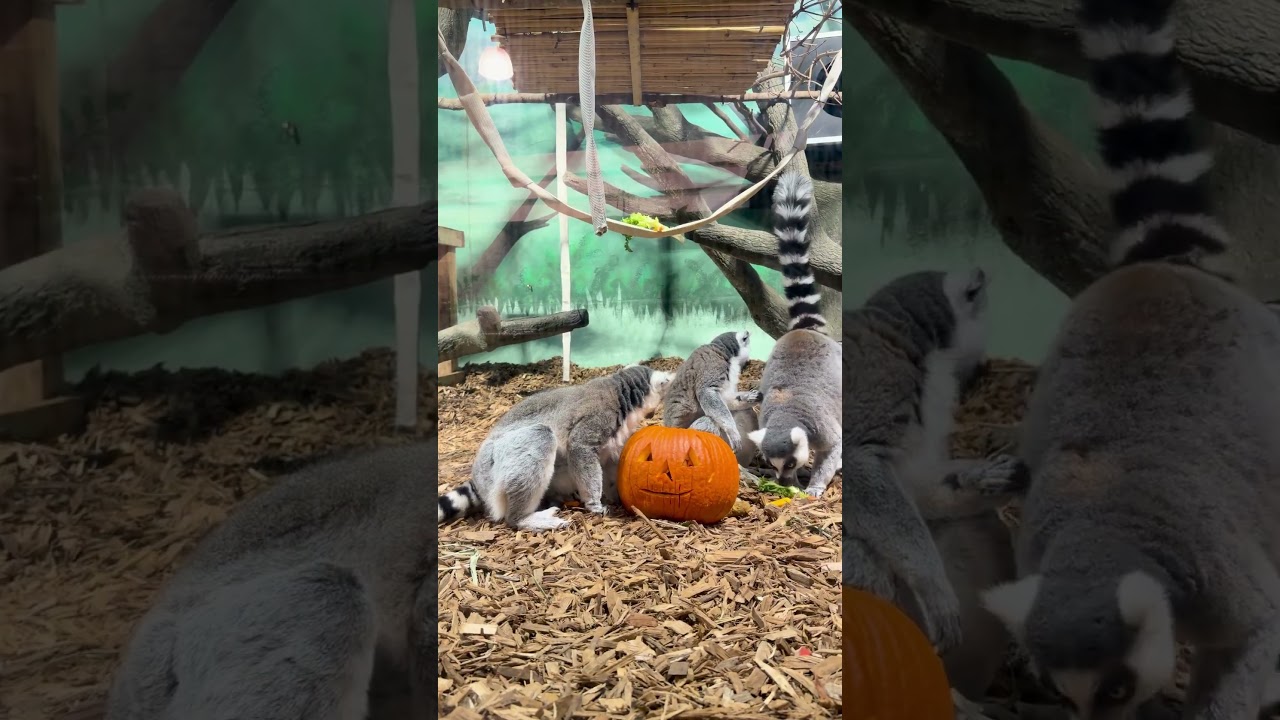
- The significance and celebration of Happy World Lemur Day 2025 in promoting awareness and conservation.
- The current status of lemur populations and their habitats in Madagascar.
- Key conservation efforts and strategies employed by zoologists and wildlife organizations.
- The role of zoos and wildlife sanctuaries in educating the public and supporting lemur conservation.
- Community involvement and global collaboration in saving lemurs from extinction.
Happy World Lemur Day 2025 provides a vital opportunity to raise awareness about one of the planet’s most remarkable primates. Celebrated annually, this day brings attention to the critical conservation needs of lemurs, endemic to the island of Madagascar. Conservationists, researchers, and lemur enthusiasts unite to celebrate these creatures and their ecological importance.
As we delve into the intricacies of lemur conservation, it’s imperative to understand the challenges lemurs face. Madagascar, their sole habitat, is a hotbed of biodiversity yet grappling with severe environmental threats. Deforestation, hunting, and climate change are top challenges, pushing many lemur species toward the brink of extinction. The International Union for Conservation of Nature (IUCN) lists over 90% of lemur species as endangered, making them the most threatened group of mammals.
Conservation efforts are robust and multifaceted, involving habitat preservation, legal protection, and community engagement. Initiatives like reforestation programs aim to restore degraded lands. Protected reserves and national parks offer critical refuges where lemurs can thrive. Strict laws against hunting and illegal logging are vital, although enforcement remains challenging.
Zoologists and researchers leverage cutting-edge technology to monitor lemur populations, studying their behaviors and genetics. This research informs strategies to bolster their survival odds. Breeding programs in zoos worldwide also play a significant role. These institutions help maintain genetic diversity and provide a safeguard against extinction.
Public engagement is crucial in lemur conservation. Zoos and wildlife sanctuaries educate visitors about these extraordinary primates. Interactive exhibits and educational programs highlight the ecological significance of lemurs and the urgent need for conservation. The personal connection visitors form with animals in these settings often translates into advocacy and support for broader conservation initiatives.
Community involvement in Madagascar is paramount. Effective conservation hinges on empowering local communities. Educational outreach, sustainable livelihood projects, and collaborative decision-making foster a culture of conservation. By involving local people as stewards of the land and wildlife, conservation efforts become culturally relevant and sustainable.
Global collaboration amplifies these efforts. Organizations worldwide, from conservation groups to academic institutions, pool resources and expertise. Such collaborations lead to innovative solutions, shared knowledge, and increased funding for conservation projects.
In conclusion, Happy World Lemur Day 2025 stands as more than just a celebration. It’s a call to action. It embodies the global effort to preserve Madagascar’s invaluable ecological treasure for future generations. By combining science, education, and community engagement, we can ensure a future where lemurs thrive once more.
*****
Source Description
Happy World Lemur Day! 💛
Ring-tailed lemurs are easy to spot with those iconic striped tails — but in the wild, they’re becoming harder to find. Native to Madagascar, they face serious threats from habitat loss and hunting.
Every enrichment activity, from icy treats to pumpkins, keeps our lemurs active, curious, and thriving — while helping us share their story and inspire conservation action. 🌿💚
#WorldLemurDay #RingTailedLemur #PotterParkZoo #ConservationInAction #ZooEnrichment
