
- Overview of World Otter Day and its significance
- Importance of otter conservation and threats faced by otters
- Role of the International Otter Survival Fund
- Ways to support otter conservation
- Educational and engaging zoo activities for World Otter Day
World Otter Day, celebrated annually, focuses on raising awareness about otters and their conservation. Established by the International Otter Survival Fund (IOSF), this day seeks to highlight the ecological importance of otters and the threats they face. With 14 species of otters spread across various continents, their survival is of global concern. Conservation efforts are critical for maintaining the balance of aquatic ecosystems where otters play pivotal roles.
Otters are semi-aquatic mammals that inhabit a range of environments, from rivers to coastal regions. They are vital indicators of healthy aquatic systems due to their top predator status. Unfortunately, otters face significant challenges including habitat loss, pollution, and poaching. Urban development and agriculture have resulted in the destruction of wetlands, reducing these animals’ natural habitats. Furthermore, water pollution from industrial waste and plastic significantly impacts otter populations by contaminating their food supply.
The International Otter Survival Fund plays a crucial role in otter conservation. Founded in 1993, IOSF works toward raising awareness, initiating conservation projects, and conducting scientific research on otter species. Their efforts extend globally, reflecting the interconnected nature of biodiversity and conservation. By collaborating with other conservation bodies and local communities, IOSF seeks to create sustainable solutions to protect these fascinating creatures.
Engaging the public through education and participation is fundamental to otter conservation. There are several ways individuals and communities can contribute. Joining or organizing local cleanups can mitigate the pollution of rivers, lakes, and beaches, directly benefiting otter habitats. Reducing the use of single-use plastics is another effective measure, preventing these items from entering waterways and harming wildlife.
Supporting initiatives focused on restoring wetlands and river habitats can significantly aid in otter conservation. Wetlands provide crucial environments for otters, and restoration efforts can help reverse habitat loss. Additionally, choosing eco-friendly products that do not pollute water systems supports broader conservation goals. Spreading awareness about otter conservation and responsible wildlife stewardship can galvanize community efforts, ensuring more people are informed and inspired to make a difference.
To celebrate World Otter Day, zoos often take the initiative to create engaging educational experiences. These activities aim to teach visitors about otters while providing enrichment for otter residents. Enrichment is vital for captive otters as it encourages natural behaviors, mental stimulation, and physical exercise.
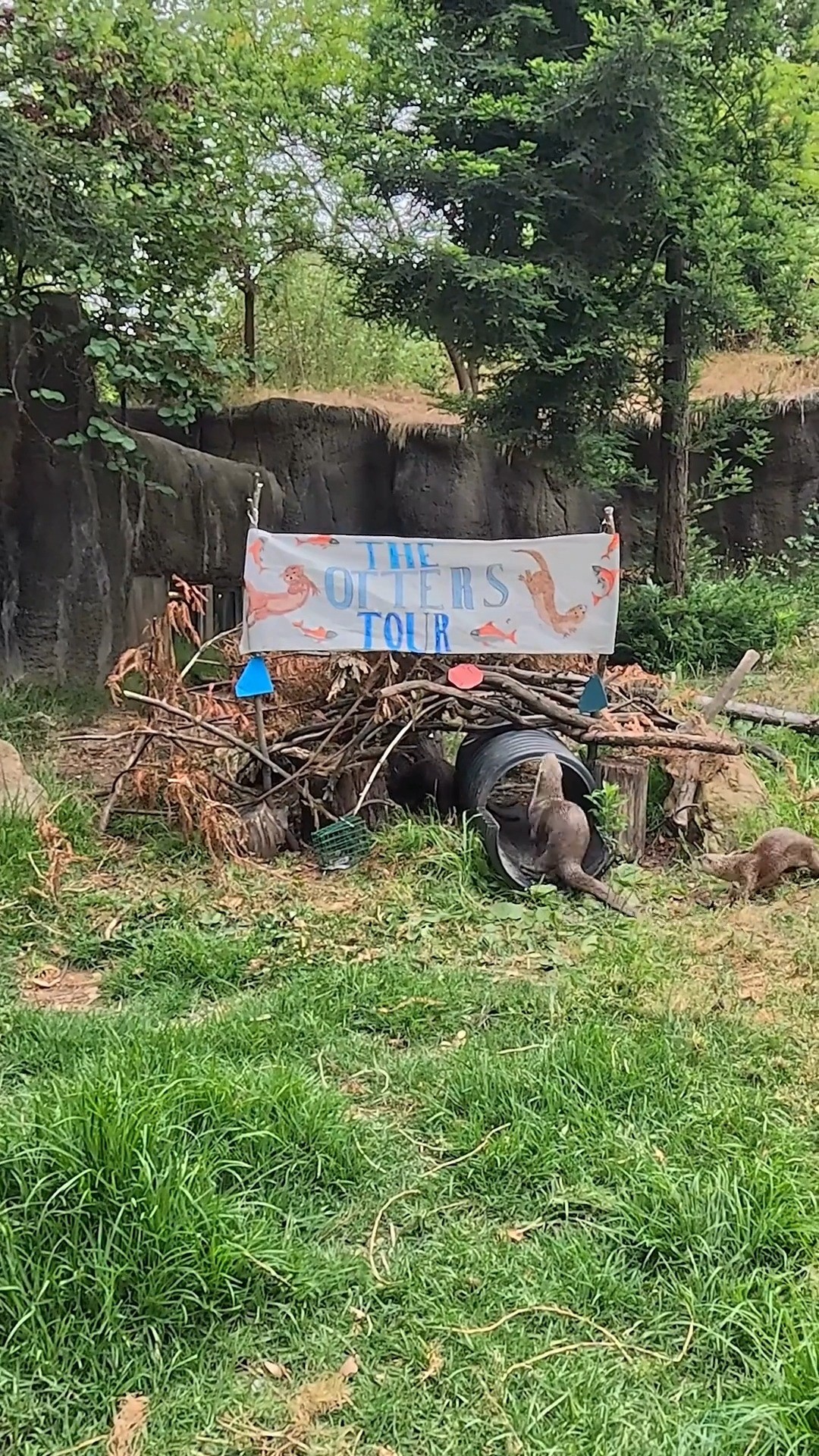
Our zoo celebrated World Otter Day with various enrichment activities for our otters. These included introducing new toys, offering live fish to stimulate hunting behaviors, and organizing interactive feeding sessions. Such activities are designed to mimic natural challenges otters face in the wild, promoting their well-being.
Teen Wild Guides played an invaluable role in facilitating these celebrations. Their enthusiasm and dedication to wildlife conservation translates into captivating experiences for zoo visitors. By engaging young people in conservation efforts, we nurture future advocates for biodiversity and ecosystem health.
Involving local communities, especially younger generations, is key to sustaining conservation efforts. Their participation can lead to innovative ideas and solutions that help tackle environmental challenges.
In summary, World Otter Day serves as a reminder of the vital role otters play in aquatic ecosystems and the pressing need for their conservation. By understanding the threats otters face and taking proactive measures to address them, we contribute to the preservation of these remarkable creatures and the health of our planet’s waterways. From individual actions like reducing plastic use to participating in habitat restoration, everyone has a part to play in otter conservation.
*****
Source Description
Yesterday marked World Otter Day, and we celebrated with some otter-ly fun enrichment for our otter residents here at the Zoo! 🦦
Established by the International Otter Survival Fund, World Otter Day is intended to honor the 14 different otter species and raise awareness of the threats they face. A huge thank you to our amazing Teen Wild Guides for helping bring this celebration to life! 💚
Ways you can help protect wild otters:
💧 Join or organize local trash cleanups around rivers, lakes, or beaches.
💧 Minimize your use of single-use plastics to help keep our waterways clean.
💧 Support initiatives that are working to restore wetlands and river habitats.
💧 Choose eco-friendly products that do not pollute water systems.
💧 Raise awareness about otter conservation and responsible wildlife stewardship.
🌊
