
- Penguins as a vital part of the Antarctic ecosystem
- Nesting behaviors and characteristics of different penguin species
- The role of zoos and aquariums in wildlife conservation
- The impact of climate change on penguin populations
- Educational opportunities surrounding World Penguin Day
April is a captivating time for penguins, particularly as we celebrate World Penguin Day on April 25th. This day coincides with the annual arrival of the breeding season for many penguin species. During this special period, penguins engage in courtship rituals, pair up, and start building nests in hopes of rearing chicks in the coming months.
One fascinating aspect of penguin behavior is their choice of nesting materials. In the harsh and barren landscape of Antarctica, where vegetation is nearly nonexistent, penguins have adapted by utilizing rocks and pebbles for constructing their nests. This behavior becomes crucial, as the physical structure of the nests provides protection for eggs and chicks from the formidable climate and predation.
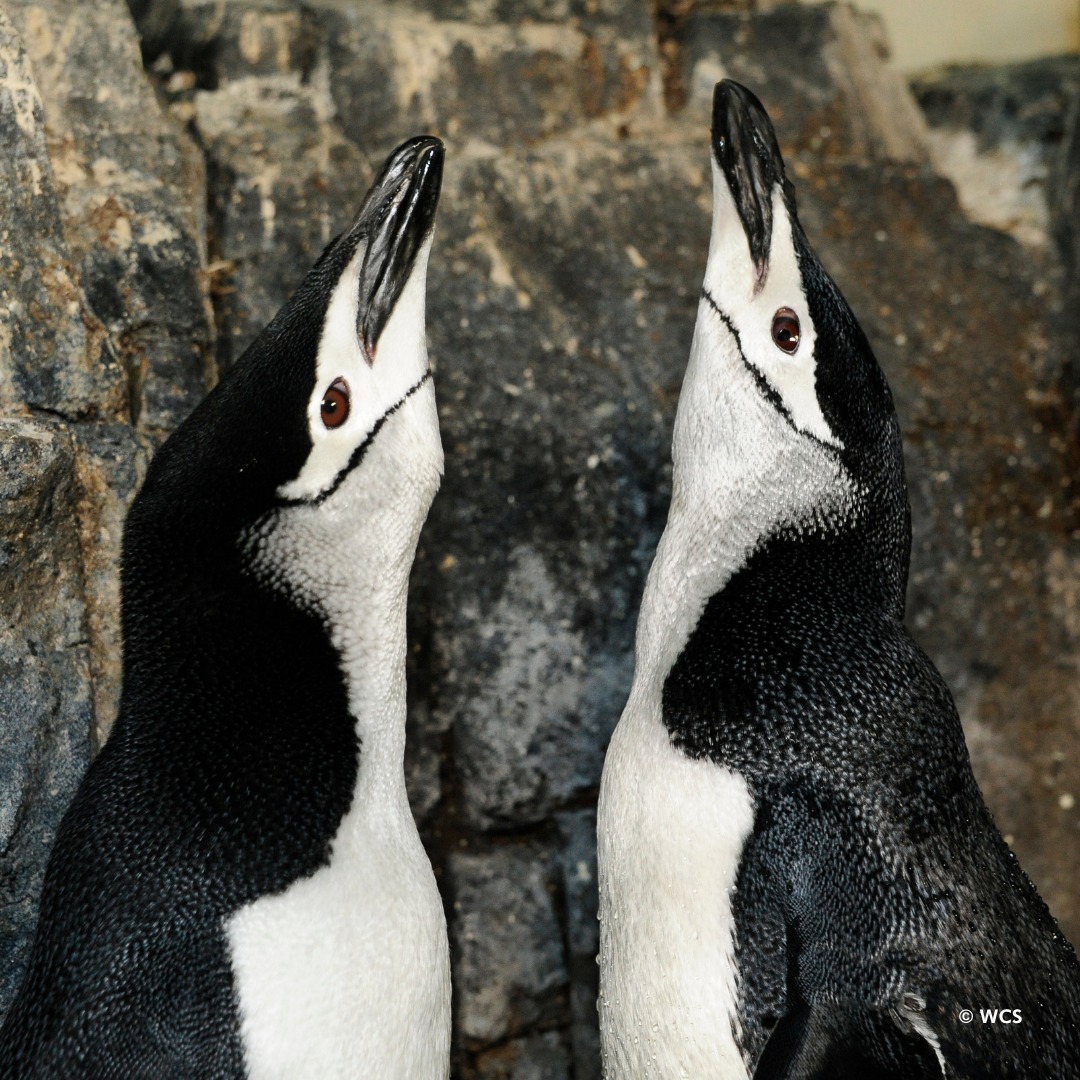
Different penguin species, including king, gentoo, macaroni, and chinstrap penguins, each exhibit unique courtship signals and nesting habits. The king penguin, the second-largest penguin species, uses elaborate vocal calls and physical displays to attract a mate. Gentoo penguins are known for their nesting behavior, often utilizing stones in rituals that signify their readiness to breed. Macaroni penguins display brightly colored crests and partake in intense courtship behaviors, while chinstrap penguins often engage in head-bobbing displays to signal their interest.
Understanding these behaviors is essential for appreciating the importance of penguins within their ecosystems. Penguins serve as indicator species, meaning that their health reflects the overall condition of their habitat. A decline in penguin populations can signal broader ecological issues, including habitat degradation and declining fish stocks.
As World Penguin Day reminds us of these incredible birds, it also highlights the essential role that zoos and aquariums play in wildlife conservation. Many institutions offer educational programs that inform visitors about penguin species and their habitats. These programs raise awareness about the challenges penguins face, including climate change, overfishing, and pollution.
Zoos are not merely display spaces; they actively participate in conservation initiatives. Many facilities contribute to breeding programs designed to bolster penguin populations, especially for species classified as endangered or vulnerable. By maintaining genetic diversity, these programs improve the chances of successful reintroduction into their natural habitats.
Climate change poses significant threats to penguins. Scientists have observed shifts in the distribution and abundance of krill, a crucial food source for many penguin species. As seawater temperatures rise, some fish and krill species move to colder waters, decreasing the availability of food near nesting sites. This decline directly impacts chick survival rates and adult penguin health.
Additionally, melting sea ice and changing weather patterns adversely affect natural habitats. For species like the emperor penguin, whose breeding depends on stable ice conditions, these shifts can lead to catastrophic population declines. Tracking these changes through various research programs is essential for conservation efforts, providing critical data that informs strategies aimed at protecting these birds and their environments.
World Penguin Day also presents an educational opportunity. It encourages individuals to learn about penguins and the ecological challenges they face. Schools, zoos, and conservation organizations often host events featuring activities designed to engage attendees of all ages. From art projects to educational talks, these initiatives foster a deeper understanding of penguin life, the challenges they encounter, and the steps that can be taken to protect them.
Moreover, promoting responsible consumer behaviors and sustainable practices can significantly impact penguin conservation. By being mindful of seafood choices, individuals can help reduce the demand for overfished species, subsequently supporting healthier ocean ecosystems. Engaging in conservation efforts through donations, volunteering, or advocating for policy changes also contributes positively.
As we celebrate World Penguin Day, the enthusiasm surrounding these charismatic birds invites us to consider their broader environmental significance. Penguins are not only symbols of resilience in extreme conditions but also indicators of ecological health. Their struggles remind us of the importance of sustaining biodiversity and protecting natural habitats.
Observing penguins at local zoos provides a valuable opportunity for people to appreciate their beauty and understand their needs. Zoos typically house a variety of species, including king, gentoo, macaroni, and chinstrap penguins, each offering visitors a distinct glimpse into the lives of these incredible birds. The experience of watching penguins huddle, swim, and interact in their habitats can inspire deeper interest in wildlife conservation and environmental stewardship.
In addition, educational programs offered at zoos often involve interactive discussions regarding penguin behaviors, feeding habits, and ecological importance. Learning about the specifics of each species enhances one’s appreciation for penguins and underscores the necessity for informed conservation practices. These experiences emphasize the interconnectedness of wildlife and ecosystems, promoting a shared responsibility for aiding in their preservation.
Furthermore, engaging educational content allows visitors to explore the science behind wildlife care and conservation strategies. Through hands-on activities, discussions, and presentations led by knowledgeable staff, individuals can become informed advocates for penguin welfare and broader environmental initiatives.
World Penguin Day will always serve as a reminder of our obligation to support conservation efforts for penguin populations and their habitats. As awareness increases, so too does the potential for meaningful change. Active participation in conservation efforts can lead to positive results, such as improved ecological health and sustained biodiversity.
In recognizing the special significance of penguins during this time of year, we should remain committed to protecting their future and that of their habitats. By working together and participating in conservation initiatives, the goal of ensuring healthy penguin populations can become a reality, thus enriching our shared planet.
Overall, as we observe World Penguin Day, let’s celebrate the resilience and adaptability of these remarkable birds while advocating for their conservation. Together, through education, awareness, and action, we can make a difference for penguins and the delicate ecosystems they inhabit. A focus on penguin conservation ultimately contributes to the survival of other species and the health of our planet.
*****
Source Description
We couldn’t let World Penguin Day pass us by without sharing a post! April is an exciting time for our colony as the penguins are pairing up and building nests together for potential chick rearing in the coming months. You’ll notice that these penguin species build their nests with rocks because there aren’t plants or other nesting materials available in Antarctica.
Waddle on over to the zoo to see king, gentoo, macaroni, and chinstrap penguins!
