
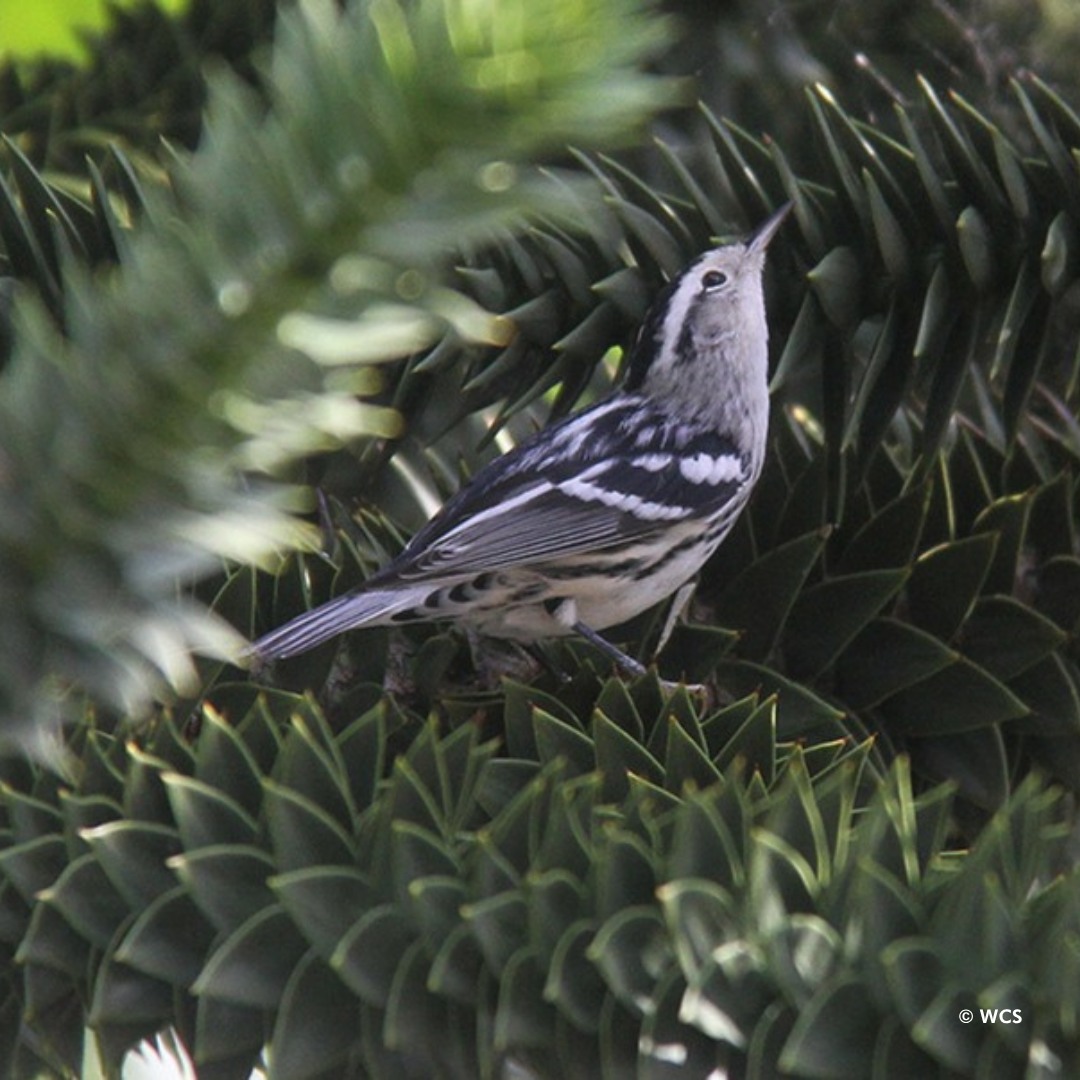
- Central Park Zoo as a Habitat for Migratory Birds
- Importance of Urban Ecosystems in Bird Migration
- Conservation Efforts for Migratory Bird Species
- Birdwatching Opportunities at Central Park Zoo
- Impact of Climate Change on Bird Migration Patterns
Central Park Zoo serves as a crucial sanctuary for both resident and migratory bird species. The zoo’s strategic location within New York City provides an essential stopover for birds as they journey south in the fall and return north in the spring. Various species, such as the black-and-white warbler, utilize this urban habitat, seeking food, shelter, and a resting spot amid their migration. As the seasons change, this urban oasis also reflects the importance of ecosystems in cities, offering fascinating insights into avian life.
Urban ecosystems play a vital role in the migration patterns of birds. As green spaces become increasingly scarce, parks like Central Park Zoo offer a refuge. Birds migrating over long distances often face numerous obstacles, including habitat loss, human-made structures, and climate shifts. Central Park Zoo’s lush environment provides necessary food resources, such as insects and various fruits, that are critical for these travelers. The park has 843 acres of landscaped grounds, making it an appealing destination for weary migrants in search of nourishment and rest.
Research has shown that a considerable number of migratory birds rely on urban parks as key stopover points. These areas provide a temporary habitat where birds can refuel before continuing their migration. Birds like the black-and-white warbler thrive well in these ecosystems, demonstrating adaptability to urban environments. Additionally, the zoo’s features, including trees and ponds, are conducive to attracting insects and seeds, offering essential nutritional benefits.
The importance of Central Park Zoo extends beyond serving as a resting point; it also plays a role in bird conservation efforts. Organizations dedicated to wildlife preservation recognize how critical urban parks are for migratory bird conservation. Urban habitats often harbor unique challenges, but they also present opportunities for research and education. Bird rehabilitation programs and community engagement efforts at Central Park Zoo help raise awareness about conservation.
Birdwatching is an engaging activity at Central Park Zoo. Visitors can spot various species throughout the year, particularly during the peak migration seasons. With habitats designed to mimic natural environments, the zoo encourages birdwatchers to observe both on-site inhabitants and migratory species. Enthusiasts often gather to document their sightings. The list of birds spotted includes not only migratory species but also resident birds that call the zoo home. Bird identification programs and guided tours are increasingly popular, creating a community of nature lovers.
Climate change poses significant challenges to bird migration patterns. Variability in weather can disrupt the timing of migration, impacting food availability and breeding cycles. As temperatures rise and extreme weather events become more common, many species face increased stress during migration. Conservationists and researchers are working to better understand these impacts to adapt management strategies accordingly. Central Park Zoo can serve as a valuable model for urban wildlife conservation amidst changing climates.
Urban areas like Central Park Zoo illustrate the delicate balance of nature within city landscapes. The zoo not only houses exotic animals but also emphasizes the significance of local ecosystems. Maintaining natural environments is imperative for supporting wildlife, including migratory birds. Educational programs at the zoo encourage visitors to respect these habitats and to understand their importance.
The flora of Central Park Zoo also benefits migratory birds. The diverse plant life creates microhabitats that support a variety of insects, serving as a food source for birds on the move. Native plants, in particular, provide optimal conditions for sustaining local wildlife. Garden designs that include native flora facilitate better habitats, promoting biodiversity and resilience against environmental threats.
Another factor that enhances Central Park Zoo’s role in bird conservation is the collaborative efforts with local organizations. Programs focusing on bird monitoring help scientists gather valuable data on migratory patterns, population dynamics, and conservation successes. These collaborations extend research efforts outside the zoo, bringing attention to migration routes and preserving critical habitats throughout New York City.
Birds play a crucial role in urban environments as natural pest control agents and indicators of ecological health. Their presence signals a vibrant ecosystem, while their absence can indicate underlying ecological concerns. Central Park Zoo’s ongoing commitment to wildlife conservation aids in supporting both local and migratory bird populations.
In addition to its ecological and educational initiatives, Central Park Zoo promotes community involvement in wildlife preservation. Citizen science projects encourage residents to participate in bird counts and report sightings. This grassroots engagement fosters a deeper appreciation for avian life, instilling a sense of ownership and responsibility among community members. Connecting people with nature is a powerful strategy for promoting conservation efforts.
Furthermore, the concept of urban forests is gaining traction as cities recognize their importance. These forested areas provide habitat for birds and other wildlife, contributing significantly to biodiversity. Central Park Zoo exemplifies how urban landscapes can integrate natural features that benefit both animals and humans. Initiatives aimed at increasing green spaces could enhance migratory bird stopovers and promote thriving urban ecosystems.
Specific measures taken to bolster the zoo’s role in conserving migratory birds include the installation of bird-friendly structures and the implementation of educational campaigns. Bird feeding stations and nesting boxes encourage increasing local populations, creating an inviting habitat for transient migrants. Programs aimed at rebuilding lost habitats and restoring native plants help ensure that both migrant and resident birds have the resources they need.
Challenges remain, particularly as urban development continues to rise. The encroachment of buildings and infrastructure can disrupt migration patterns and diminish available habitats. Collaborative efforts between zoos, conservation groups, and city planners are crucial to mitigate these impacts and safeguard essential migratory routes. Innovations in urban planning increasingly integrate wildlife considerations, paving the way for more sustainable urban ecosystems.
As migratory birds traverse through Central Park Zoo, the importance of understanding their patterns becomes increasingly clear. Accurate data collection helps researchers examine how various factors influence migration behaviors. This data is a critical tool for assessing the health of bird populations and implementing strategic conservation measures.
Birds not only contribute to the ecological balance in city environments but also enrich urban experiences. Their songs and colors captivate millions of visitors, providing moments of joy and connection to nature. Central Park Zoo serves as a gateway to appreciating these creatures while promoting critical conversations about conservation.
For bird enthusiasts, every visit to Central Park Zoo offers the possibility of spotting a new species. Various migratory birds pass through during specific times, making the zoo a hot spot for birdwatchers. Engaging community programming fosters awareness and encourages visitors to share their own sightings, fostering a collective appreciation for aviary wonders.
Regular birding events at Central Park Zoo emphasize the importance of identification skills and education. Specialized workshops aim to enhance knowledge about migratory patterns, highlighting how climate change and habitat loss affect bird species. As more individuals engage with birdwatching, conservation efforts gain momentum.
Urban biodiversity is a vital component of wildlife conservation. Central Park Zoo exemplifies how urban spaces can play a pivotal role in supporting migratory birds, providing educational opportunities, and fostering community engagement. A thriving population of migratory birds signals a healthy urban environment, making it essential for cities to recognize the role of local ecosystems.
In celebrating the beauty and diversity of birds, Central Park Zoo emphasizes the need for continued research, conservation, and community involvement. Together, these efforts can cultivate a greater understanding of wildlife, promote sustainability, and strengthen urban connections to nature.
As the seasons transition and migratory species return, Central Park Zoo remains a beacon of hope for birds journeying south in the fall and north in the spring. By highlighting the importance of this urban habitat, we can foster greater awareness about the need for conservation in all settings. Visitors are encouraged to share their own experiences and sightings at the zoo, creating a collaborative network that fosters appreciation for the incredible journeys undertaken by migratory birds.
*****
Source Description
It’s Many birds use Central Park Zoo for food, shelter, and a resting spot as they migrate further south in the fall and north in the spring. In addition to the beautiful birds we have on exhibit, you can also spot many migratory birds, like the black and white warbler pictured here. Let us know in the comments which birds you’ve spotted at the Central Park Zoo!
