
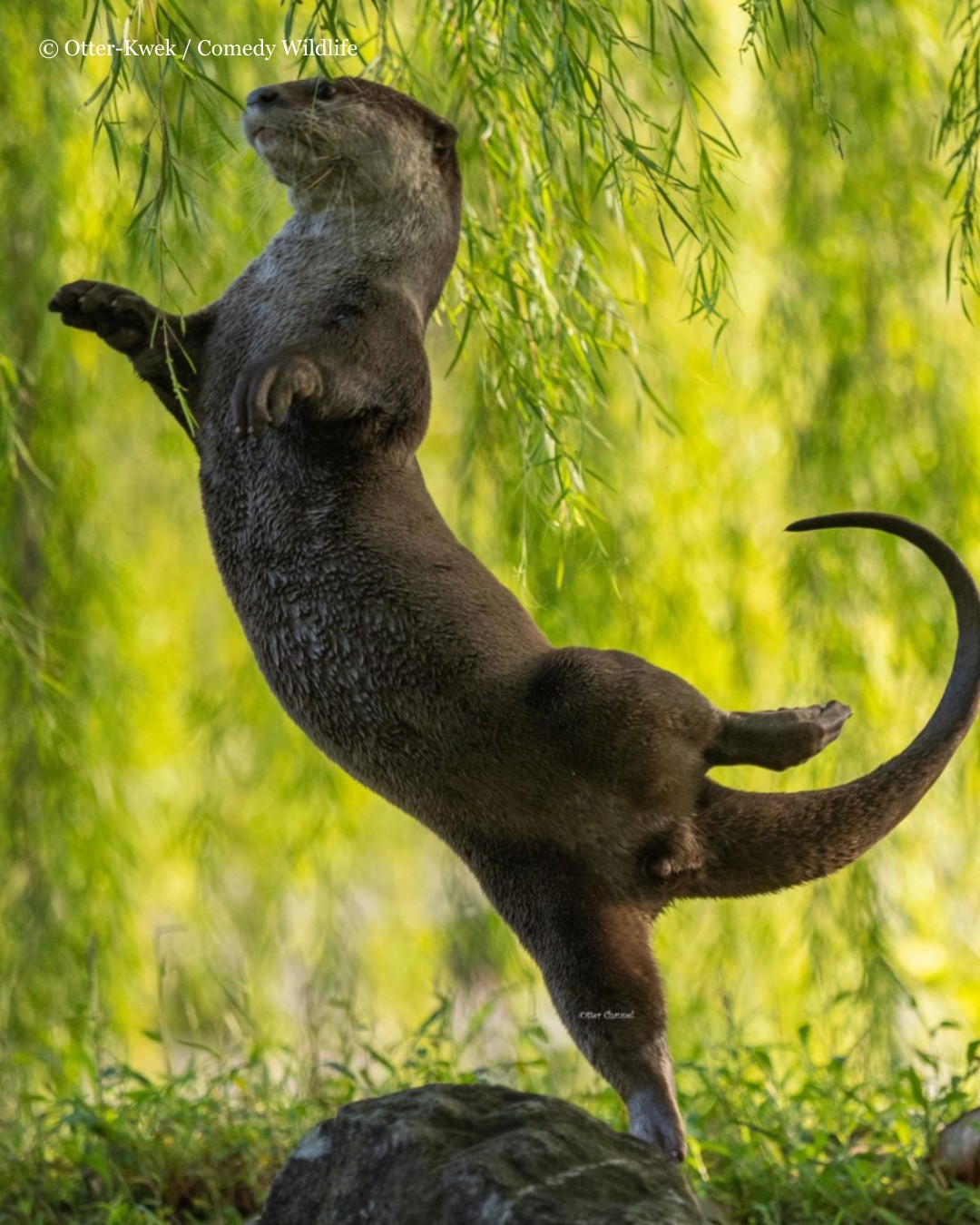
- The significance of wildlife photography in conservation efforts
- The role of zoos in wildlife education and preservation
- The impact of social media on public engagement with wildlife
- The importance of setting resolutions for conservation
- Strategies for responsible wildlife observation
Photography serves as more than just a visual medium; it has become an essential tool for wildlife conservation. Wildlife photography captures the beauty and diversity of animal species, raising awareness about their plight in the face of habitat loss, climate change, and illegal poaching. When a stunning image catches our eye, it sparks an emotional response, often inspiring individuals to advocate for conservation efforts. This connection is paramount, as it compels viewers to become active participants in safeguarding biodiversity.
Zoos play a vital role in wildlife education and preservation. They serve as both educational centers and conservation hubs. Many modern zoos are heavily involved in breeding programs aimed at reintroducing endangered species back into their natural habitats. Through responsible breeding, zoos maintain genetic diversity, which is critical for the long-term survival of these species. Moreover, zoos frequently host educational programs that inform the public about wildlife conservation, habitat preservation, and the significance of biodiversity. By engaging with visitors both physically and through digital platforms, zoos can disseminate knowledge about the importance of maintaining healthy ecosystems.
Social media has markedly influenced public engagement with wildlife. Platforms like Instagram and Facebook allow users to share captivating animal photos, broadening the reach of wildlife conservation messages. When individuals come across striking images of animals, they are more likely to learn about the challenges those animals face. Social media campaigns aimed at sharing wildlife content can raise awareness about critical issues, garnering support for policy changes or encouraging donations to conservation organizations. This fast-paced digital environment cultivates a community of wildlife enthusiasts, who can be mobilized for various conservation efforts.
As we approach a new year, many individuals reflect on their lives and consider setting resolutions. In 2026, one might prioritize efforts that contribute to wildlife conservation. Whether it’s pledging to reduce plastic waste or promising to support local wildlife shelters, setting intentions can solidify our commitment to protecting the environment. These resolutions should be specific and actionable, allowing individuals to track their progress in advocating for wildlife.
Responsible wildlife observation is an essential practice for anyone wishing to engage with animals in their natural habitat. It promotes a composed interaction with wildlife while ensuring minimal disruption to their lives. Approaching this activity with mindfulness entails maintaining a safe distance from animals and avoiding any actions that may interfere with their natural behaviors. Additionally, education about local wildlife forms a basis for understanding their roles within ecosystems. By fostering respect and care for wildlife, we cultivate a community that values the need for conservation.
The significance of wildlife photography cannot be overstated. Images can evoke feelings of empathy and concern for endangered species. A photograph can represent a moment in the life of an animal, but it also bears the weight of environmental challenges. World-renowned photographers often embark on missions to reveal the plight of endangered species, using their art to tell powerful stories. These stories highlight the need for collective action to protect wildlife.
Educational institutions increasingly use photography to capture attention and drive discussions about conservation. Teachers and educators use captivating animal images to introduce topics related to biodiversity, habitats, and species interaction. Such visual stimuli ignite curiosity in students, prompting them to ask questions and engage in discussions about wildlife issues. This classroom approach molds a new generation of informed individuals who recognize the importance of preserving natural ecosystems.
Zoos are adapting to the contemporary expectations regarding wildlife care and education. The focus is shifting from merely showcasing animals to becoming active participants in conservation. Many zoos focus on sustainable practices, such as minimizing resource consumption and utilizing renewable energy. The integration of technology also enhances animal care and observation. For instance, advanced monitoring systems help keep track of animal health and behavior, ensuring that all species receive appropriate enrichment activities tailored to their specific needs. This approach emphasizes comprehensive welfare, which is crucial for species adaptation to captive environments.
Public involvement is increasingly crucial for wildlife conservation. With the use of social media, individuals can share their experiences during nature excursions or zoo visits, turning casual observers into advocates. Tagging conservation organizations in these posts amplifies their outreach. Engaging in discussions and raising awareness through social channels supports various initiatives, such as call-to-action events that target habitat preservation or species protection.
Understanding the intricacies of animal behavior enhances our connection with wildlife. Observing how animals interact within their environments strengthens our respect for their ecological roles. For example, watching how predators and prey interact provides insight into ecosystem dynamics. Documenting these observations through photography can serve educational purposes, assisting researchers in understanding species behavior and habitat requirements.
Recycling, reducing waste, and supporting sustainable practices are pivotal resolutions. Individuals can commit to making small but significant changes in their daily lives, such as choosing eco-friendly products and refraining from single-use plastics. These lifestyle adjustments help mitigate the adverse effects of pollution on wildlife habitats. Encouraging friends and family to adopt similar practices can create a ripple effect, amplifying the impact of personal resolutions.
Engaging with local conservation groups can open opportunities for hands-on involvement. Volunteering for wildlife rehabilitation centers, participating in habitat restoration projects, or advocating for local wildlife protection laws can deepen one’s understanding of wildlife conservation. These experiences not only educate individuals but also strengthen community ties dedicated to preserving local ecosystems.
As 2026 approaches, it provides a platform to renew our commitments to wildlife conservation. Community-driven programs that focus on local ecosystems can yield substantial results when combined with widespread public support. Grassroots movements can ignite significant change, ensuring that urgent conservation issues become community priorities. Hosting local clean-up events or awareness campaigns about endangered species contributes to building a community committed to environmental stewardship.
One effective strategy for responsible wildlife observation involves the implementation of “Leave No Trace” principles. This approach highlights minimizing human impact on natural surroundings, which is particularly vital in sensitive habitats. Educating others about these principles promotes respect for wildlife. By practicing ethical observation, individuals contribute positively to the environment and foster an atmosphere of conservation.
Navigation of the animal care field is becoming increasingly refined with advancements in technology. For example, the use of virtual reality can allow zoo visitors to experience wildlife without causing stress to the animals. This innovative approach emphasizes education without compromising animal welfare and serves as a template for modern zoos aiming to adapt to contemporary values around animal care.
As wildlife faces mounting challenges, innovative solutions in veterinary care and habitat management continue to emerge. Focused efforts on research and development yield new methodologies for addressing issues such as disease prevention and habitat restoration. This proactive approach is essential as species face pressures from climate change and human activities. Through collaborative research initiatives, wildlife organizations can enhance understandings of biodiversity while simultaneously reinforcing their commitment to conservation.
Wildlife photography is instrumental in advocating for wildlife conservation. By capturing captivating images, photographers highlight the need for public engagement. These visual efforts often translate into donations and support for conservation organizations, as followers feel a connection to the subjects in the photos. Individuals share these images on social media, magnifying their reach and impact.
Zoos showcase the importance of education in fostering respect for wildlife. The informative programs offered by zoos cover broad themes such as species protection, habitat restoration, and community involvement. Engaging younger audiences sets an essential foundation for lifelong dedication to wildlife conservation. The emotional connections formed during these experiences carry a lasting influence.
As technology advances, the intersection of wildlife observation and innovative tools grows more significant. Wildlife tracking devices and satellite imagery allow researchers to monitor animal behavior and habitat use in real time. This capability enhances conservation efforts by providing data crucial for informed decision-making about habitat management, species protection, and rehabilitation practices.
Using photography and social media, individuals have the power to inspire action and frame discussions surrounding wildlife conservation. A simple yet powerful picture can serve as a conversation starter, motivating individuals to turn their interest into action. By sharing experiences online, ordinary people can play a role in the broader narrative of wildlife conservation, reinforcing their commitment to environmental stewardship.
The concepts surrounding wildlife photography underscore the importance of fostering an informed community dedicated to conservation. The images act as more than mere aesthetics; they drive serious conversations about endangered species and their habitats. Engaging the public through photography nurtures empathy and action for wildlife conservation, forming a critical opportunity for everyone to participate in these efforts.
In the end, the beauty and complexity of wildlife and its habitats deserve our attention. Whether it’s through observing animals in their natural environments, visiting zoos, or supporting wildlife conservation initiatives, our collective responsibility cannot be understated. This focus on education, awareness, and action paves the way for a future where wildlife thrives alongside humanity.
*****
Source Description
Caption this.
We know it’s the season for scrolling… but this photo deserves your best. And might even inspire your 2026 resolutions.
