
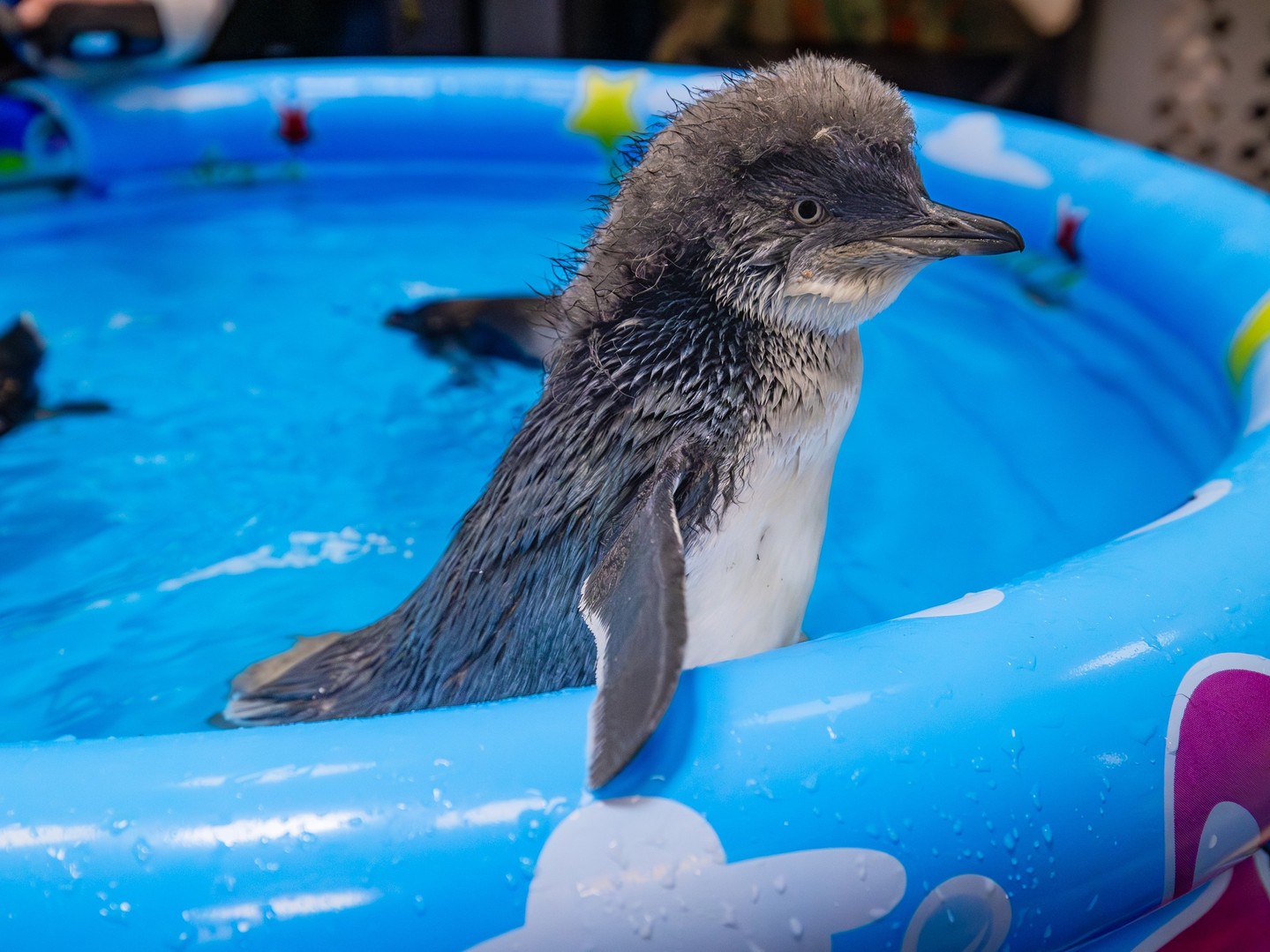
- The transformation of penguin chicks from down to waterproof feathers
- The significance of feather development in penguin survival
- Insights into penguin behavior during this molting phase
- The role of wildlife conservation in protecting penguin habitats
- Educational initiatives to raise awareness about penguin species
The transformation of penguin chicks from down to waterproof feathers is fascinating and vital. This breeding stage occurs during the first few months of a penguin’s life. Initially, chicks are covered in fluffy down feathers that provide insulation in the harsh, cold environments of their natural habitats. After some time, they begin replacing these feathers with sleek, waterproof feathers. This process is crucial for their survival as it allows them to venture into the frigid waters where they will hunt for food.
The significance of feather development goes beyond aesthetics; these waterproof feathers serve crucial functions. Adult penguins rely on a layer of air trapped between their feathers for insulation, which helps them maintain their body temperature while swimming in icy waters. As the chicks transition to adult feathers, they develop the necessary adaptations for diving and swimming long distances. This change is especially important considering that adult penguins may travel several miles from their nesting sites to find food.
During this molting phase, the behavior of penguin chicks becomes noteworthy. They often engage in energetic displays, such as flapping their wings and socializing with peers. This is not merely playful behavior; it’s a crucial part of their development. Engaging in these activities helps strengthen their muscles, preparing them for the demands of adult life. Additionally, these social interactions play a vital role in developing bonds with peers, which is essential in a species that thrives on community.
Wildlife conservation significantly impacts penguin habitats. Penguins are often adaptable, living in extreme conditions in the southern oceans. However, they are not immune to threats from climate change, overfishing, and habitat loss. Conservationists work tirelessly to mitigate these issues by monitoring penguin populations and their environments. Protected areas have been established in several regions to create safe havens for breeding and molting. These efforts are crucial for maintaining healthy populations of various penguin species, such as the Emperor and Adélie penguins.
The importance of educational initiatives cannot be overstated when discussing penguin species and conservation. Schools, museums, and wildlife organizations conduct programs aimed at raising awareness about penguins and their habitats. Engaging the public through interactive exhibits and educational talks is essential for fostering a greater understanding of the challenges penguins face. By adjusting attitudes towards conservation, these programs can promote responsible behavior that benefits wildlife.
In addition to formal education, hands-on experiences, such as penguin encounters at zoos and wildlife reserves, allow the public to appreciate these birds up close. These experiences provide an opportunity for people to connect emotionally with penguins, often leading to a lifelong commitment to advocacy and conservation efforts. This emotional connection can drive positive action, helping to preserve penguin populations and their ecosystems.
Understanding the various phases of a penguin’s life adds nuances to wildlife observation and conservation efforts. The molting process offers a unique glimpse into the struggles and triumphs of a bird as it grows. As chicks transform from their fluffy down feathers to their sleek adult plumage, they gain not just the ability to swim but also the means to thrive in their environments.
In summary, the journey of penguin chicks from fluffy, downy babies to sleek, water-repelling adults is rich in detail. It encompasses not only biological transformations but also behavioral changes and community interactions. These factors all contribute to a successful transition into adulthood, highlighting the complexities of life in the animal kingdom.
The importance of wildlife conservation in protecting the habitats of these remarkable birds cannot be understated. Through education and advocacy, communities can become more aware of the challenges facing penguin populations. By fostering a collective sense of responsibility, society can come together to support ongoing conservation efforts.
In essence, the story of penguins encapsulates resilience, adaptation, and teamwork. The "business in the front … penguin party in the back" metaphor cleverly captures the duality of their lives. It speaks to the serious business of survival, balanced beautifully by the joyful, social aspects of their behavior during critical growth phases.
With continued focus on conservation efforts and education, we can ensure a sustainable future for penguins. As we learn more about these incredible creatures, we become better equipped to protect them. Each contributing effort can strengthen the bonds between humans and wildlife, paving the way for a healthier planet. Our commitment to understanding and conserving penguins will ripple through ecosystems, fostering biodiversity and the interconnectivity of life.
*****
Source Description
business in the front …. penguin party in the back 🐧
Our chicks are rocking some “mullets” as they replace fluffy down feathers with their sleek, waterproof feathers. Talk about
