
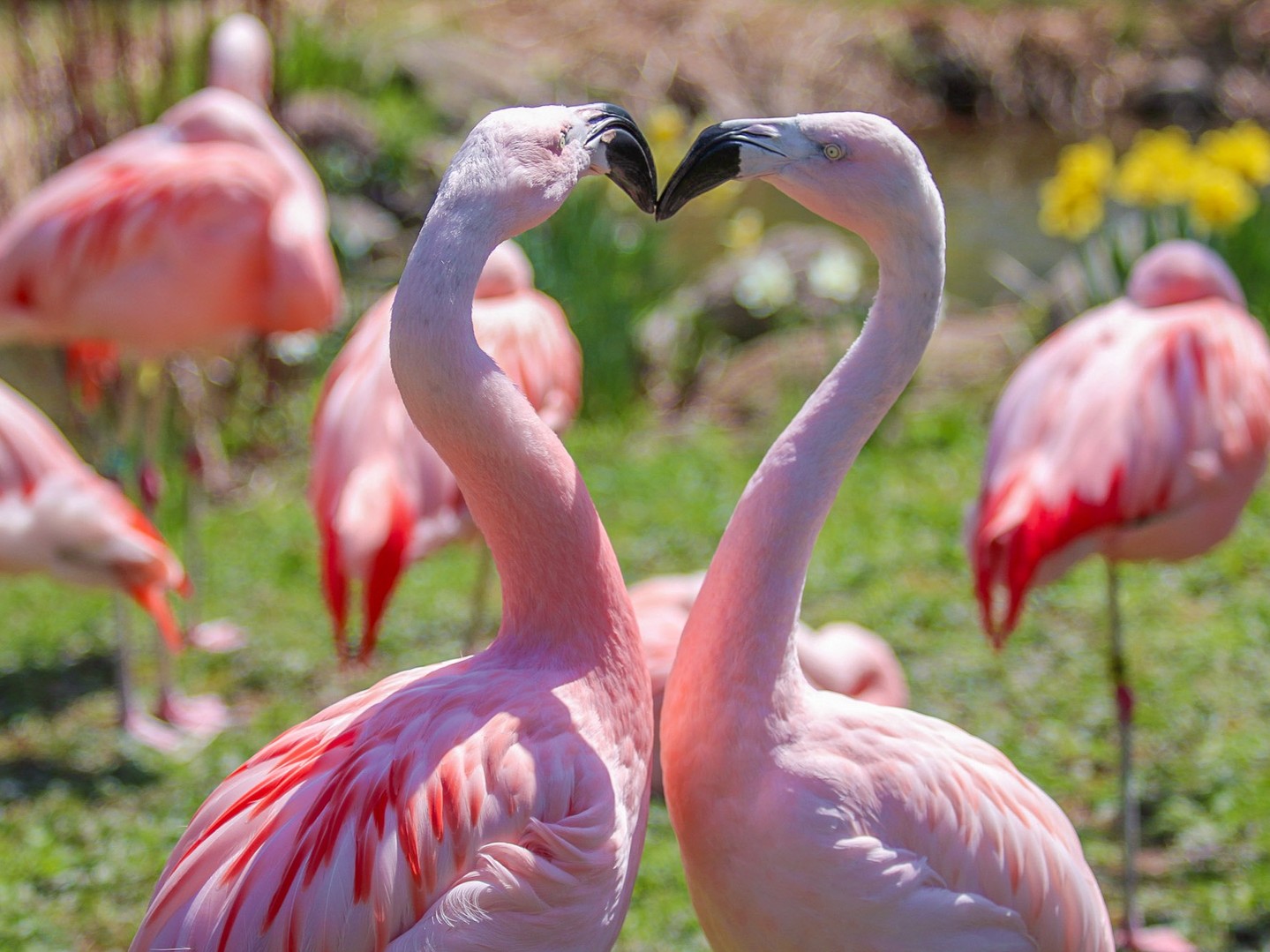
- The breeding retreat strategy for Chilean flamingos, its purpose, and expected outcomes
- The importance of genetically diverse flamingo populations in conservation efforts
- Specifics of flamingo biology and breeding behaviors that are encouraged in controlled settings
- The role of zoological facilities in managing underrepresented species
- The significance of social behavior in flamingo reproductive success
The breeding retreat for our Chilean flamingos marks a significant endeavor in avian management and conservation. By moving these birds into a private, controlled environment, we aim to stimulate natural breeding behaviors that are often elusive in more public settings. This strategy has proven successful in various zoological contexts where observing wildlife can sometimes hinder their natural reproductive instincts. Animal caretakers and researchers closely monitor these settings to create optimal conditions that mimic the wild, making careful adjustments to lighting, diet, and social structures.
The commitment to breeding Chilean flamingos is more than an exhibition goal; it is a critical aspect of maintaining biodiversity. This population, possessing substantial genetic diversity, holds crucial value for conservation. As a species, Chilean flamingos are underrepresented in managed care facilities worldwide. This underrepresentation makes each successful breeding season a vital step in preserving the genetic reservoir that could be essential for the species’ long-term survival, both within managed facilities and potentially for reintroduction into the wild.
Understanding flamingo biology provides insight into how these animals breed and thrive. Flamingos are gregarious birds, relying heavily on social interactions to trigger breeding behaviors. Creating an environment where they can interact undisturbed is essential. Colony size and structure play a pivotal role in this process. The dense nesting environment encourages courtship displays and synchronizes breeding, which is vital for maximizing reproductive success. Staff mimic these natural conditions by crafting groups that reflect the species’ social nature, fostering a sense of security and competition that leads to successful nesting.
The role of zoological facilities extends beyond mere exhibition; it embraces a broader responsibility for species survival. By facilitating breeding programs, they contribute to a global network of conservation efforts. These facilities are pivotal in maintaining genetic diversity within captive populations. They work alongside wildlife organizations to share data, manage genetic lines, and strategize reintroductions. Effective collaboration ensures that the contribution of these flamingos is maximized, supporting population stability across their native habitats.
The social dynamics of flamingos are central to encouraging reproduction. These birds engage in complex rituals that include synchronized dances and vibrant displays. Breeding success in flamingos depends significantly on these interactions, underlining the necessity of creating spaces where such behaviors can freely occur. In these behind-the-scenes settings, caretakers can fine-tune the environmental factors to promote the social bonds that are indispensable for successful mating and rearing of young.
By embarking on this breeding retreat, we are at the forefront of preserving a stunning species with profound ecological importance. Following the progress of our Chilean flamingos on social media invites the public to witness firsthand the dedication and complexity involved in modern wildlife conservation, nurturing a deeper connection between people and the natural world. Through these efforts, we are actively contributing to the vital narrative of species preservation and biodiversity.
*****
Source Description
Our Chilean Flamingos are on a Behind-the-Scenes Breeding Retreat! 🦩To encourage breeding behaviors, our flamingos have temporarily moved into a private, behind-the-scenes area. Other zoological facilities have seen great flamingo reproductive success with this technique. They will be back on habitat soon. Our flamingos represent an important and genetically diverse population. As a species underrepresented in managed care facilities, their breeding success would be a major contribution to flamingo conservation efforts. Wish our flamingos luck and follow us on social media for updates!
