
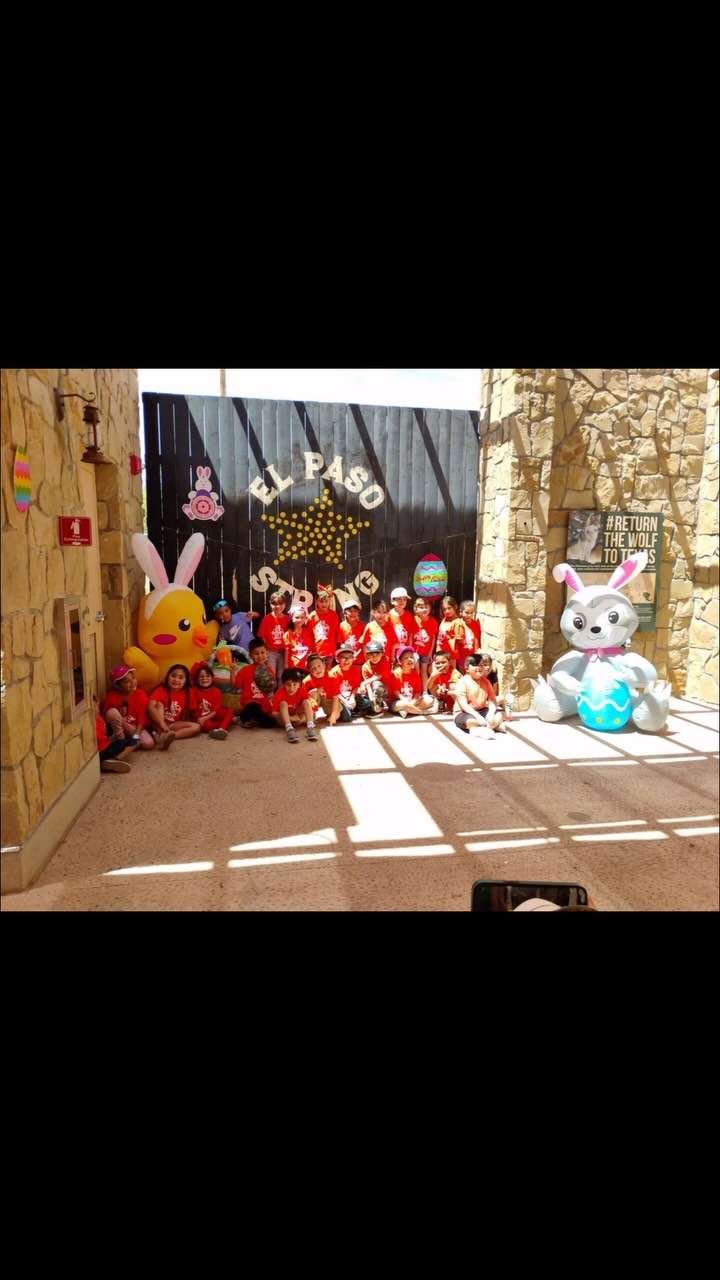
- Understanding the importance of being a buddy, not a bully, in promoting positive social dynamics and well-being.
- The role of behavioral science and animal behavior studies in understanding bullying and social hierarchies in humans and animals.
- Highlighting successful anti-bullying campaigns and programs that foster inclusion and empathy.
- Examining the influence of zoo and wildlife management in creating educational platforms to address bullying.
- Exploring connections between community involvement and conservation efforts to nurture kindness and cooperation.
In a world where connections define the fabric of society, understanding interpersonal dynamics becomes crucial. “Be A Buddy Not A Bully” is not just a catchphrase; it’s a powerful call to promote kindness and empathy across species, including humans. The heart of this initiative lies in fostering supportive environments and combating negative behaviors. The insights from behavioral science, combined with educational programs, offer robust frameworks to tackle bullying.
Behavioral science has provided an instrumental lens to observe bullying. Humans and animals exhibit complex social behaviors that can lead to power dynamics, often resulting in bullying. Research shows that bullying is not limited to humans; it is present across various species, from primates to social insects. Understanding these behaviors allows us to develop interventions that can mitigate their impact.
Studies on social animals, like monkeys and lions, reveal that hierarchies play a significant role in group dynamics. Observations of these species show that dominant individuals may bully subordinates. However, in many cases, alliances mitigate this behavior. Teaching the concept of positive alliances, akin to those in animal communities, can help reduce bullying in schools and workplaces.
Considerable efforts have gone into anti-bullying programs. These campaigns often focus on teaching empathy, inclusion, and respect. Programs like “No Bully” and “The Olweus Bullying Prevention Program” have shown significant success by engaging students, teachers, and parents. They emphasize understanding emotions and fostering communication.
Zoos and wildlife conservation venues serve unique roles in these educational endeavors. They offer platforms for people to learn about animal behaviors in natural settings. Exhibits and programs focusing on animal social structures can parallel human society, highlighting how positive interactions and alliances benefit both individuals and groups.
Effective zoo management includes public education about conservation issues, underscoring the importance of cooperation in ecosystems. By paralleling conservation with anti-bullying initiatives, these institutions can showcase the power of teamwork in preserving biodiversity and maintaining ecological balance.
Additionally, community involvement plays an essential role in nurturing kindness and cooperation. Engaging local communities in conservation and anti-bullying campaigns creates a ripple effect, where working together towards common goals strengthens societal bonds. Local conservation projects often thrive when communities unite, mirroring how bullying can be eradicated when groups work toward a supportive environment.
The “Be A Buddy Not A Bully” movement illuminates the path to a more compassionate future. By understanding behaviors in both humans and animals, implementing targeted interventions, and leveraging educational platforms, this initiative seeks to inspire actionable change. This not only furthers kindness but also links to broader conservation efforts, reminding us of our interconnected roles in fostering a harmonious world.
*****
Source Description
🩷💚❤️🩵🩶🧡💙🤍💛💜🤎
🐒🐧🐯🐶🦁🐸🦉🦄🐛🐢🦒🦏
Be A Buddy Not A Bully.
