
- The biological characteristics and behaviors of snapping turtles
- The ecological role of snapping turtles in their habitat
- The importance of conservation efforts for snapping turtles and their ecosystems
- Engaging the community through interactive activities like naming contests
- The significance of public awareness in wildlife conservation
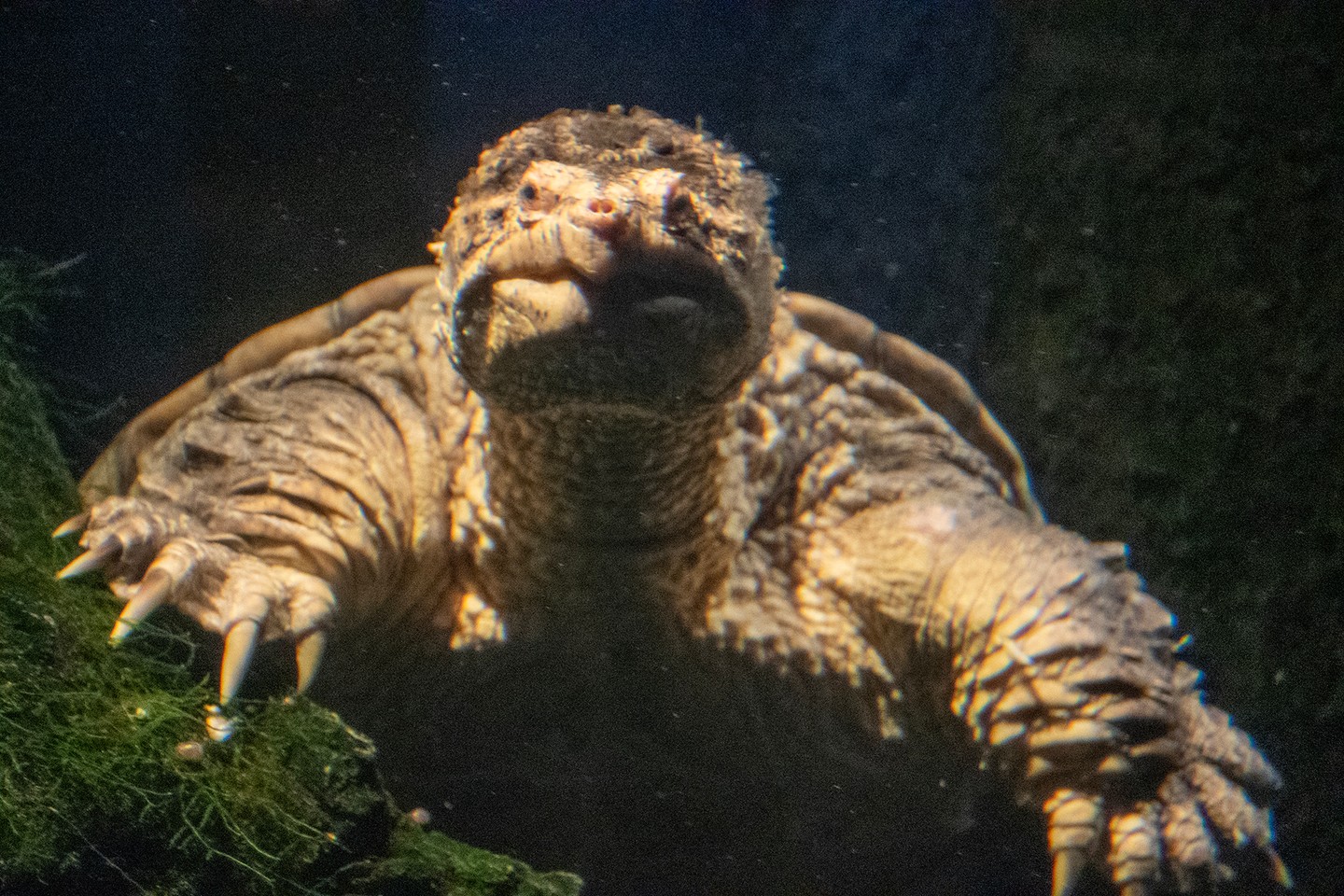
Snapping turtles, specifically the Common Snapping Turtle (Chelydra serpentina), are fascinating reptiles known for their distinctive characteristics and crucial ecological roles. They have powerful jaws, a unique shaped carapace, and a somewhat intimidating demeanor, which makes them a captivating subject for both education and conservation.
The biological characteristics of snapping turtles are integral to their survival. Adult snapping turtles can weigh between 10 to 45 pounds, with some individuals exceeding 100 pounds. Their long tails, which can measure as long as the shell itself, serve as a rudder while swimming. The turtle’s powerful jaws can exert significant pressure, making them formidable predators. They have a keen sense of sight and can detect movement underwater from a distance. Their behavior reflects an opportunistic feeding strategy; they mainly consume aquatic plants and small animals, including fish, amphibians, and crustaceans.
Snapping turtles are primarily found in freshwater habitats such as lakes, ponds, rivers, and wetlands. Their preference for murky waters provides camouflage from predators and potential prey. Juveniles often fall victim to larger fish and birds. Adult snapping turtles lack significant natural predators but face threats from habitat loss due to pollution and urbanization.
Understanding the ecological role of snapping turtles is essential for appreciating their importance in aquatic ecosystems. As opportunistic feeders, snapping turtles help regulate populations of fish and other aquatic species. By preying on unhealthy or weakened individuals, they contribute to the overall health of their habitats. Furthermore, their nesting behavior supports vegetation along riverbanks, preventing erosion and enhancing soil quality.
Conservation efforts for snapping turtles are critical, given their declining populations in certain areas. Habitat destruction, climate change, pollution, and road mortality significantly impact snapping turtle populations. Several organizations and institutions are actively working to promote awareness and protect these reptiles. Public education campaigns highlight the importance of preserving wetlands and reducing pollution in freshwater habitats, thereby creating a healthier atmosphere for snapping turtles and other aquatic life.
Engaging the community through interactive activities is another effective strategy to raise awareness about snapping turtles. The ongoing naming contest for the snapping turtle at the aquarium is a prime example. Through this initiative, visitors have the opportunity to vote for their favorite name while learning about the species’ biology and ecological significance. The names for consideration, such as “Snapperz,” reference their strong jaws for ambushing prey. “Pennywort” connects to a native plant found in their habitats. “Claude” offers a playful nod to their claws, which help in digging and clinging to underwater structures. Such activities not only engage visitors but also foster a deeper understanding of the species themselves.
Awareness among the public can significantly impact conservation outcomes. By encouraging individuals to participate in naming contests and other interactive initiatives, organizations can instill a sense of ownership and responsibility. When people feel connected to a species, whether through direct interaction or educational opportunities, they are more likely to engage in conservation actions. This can range from reducing plastic use to participating in local habitat restoration projects.
Public awareness plays a crucial role in wildlife conservation initiatives. It informs communities about the challenges faced by various species and inspires them to take action. Educational programs designed for schools and community groups can foster a new generation of conservationists who are knowledgeable and passionate about protecting their local ecosystems.
Lastly, it is vital to consider the interconnectedness of all species within an ecosystem. Snapping turtles, while primarily admired for their robust appearance, are integral members of the aquatic food web. Their survival is linked to the overall health of their habitats. Conservation strategies, therefore, must focus not only on protecting snapping turtles but also on maintaining the integrity of freshwater systems.
The importance of snapping turtles extends beyond their immediate ecological roles. They serve as indicators of environmental health; changes in their populations can signal shifts in water quality or habitat conditions. As such, monitoring snapping turtle populations can provide vital data for scientists and conservationists alike.
In turning the spotlight onto snapping turtles, we can better appreciate the complexity of ecological interactions and the importance of preserving wildlife. By learning about their characteristics, behaviors, and challenges, visitors can develop a vested interest in conserving these reptiles, encouraging them to support conservation initiatives.
The naming contest offers a perfect opportunity to engage with the community and raise interest in turtle conservation. Voting methods, including a QR code on-site at the aquarium for easy access, ensure that more individuals can participate without waste. Social media announcements and online voting increase visibility and excitement surrounding the event.
As voting nears its deadline, the anticipation builds. Each suggested name brings with it a story and a connection to the species itself. “Snapperz” resonates with the turtle’s feeding habits, highlighting its role as an expert ambush predator. “Pennywort” fosters awareness of the importance of native flora, encouraging conservation of both plant and animal species. “Claude,” with its clever allusion to claws, captures the essence of the snapping turtle’s digging and climbing capabilities.
Such activities serve a dual purpose; they not only highlight the unique features of snapping turtles but also invite the public to engage actively. Through these experiences, we hope to nurture a sense of wonder and responsibility toward wildlife.
In summary, the multifaceted realm of snapping turtles encompasses an array of biological, ecological, and conservation concerns that are critical for their preservation. Engaging the community in activities like naming contests inspires a greater understanding of these remarkable animals and the ecosystems they inhabit. Raising awareness, fostering public interest, and encouraging action are vital steps to ensuring that snapping turtles continue to thrive in their natural habitats for generations to come.
This interplay between education and conservation serves as a reminder of the collective effort required to address environmental challenges and protect our rich biodiversity. Snapping turtles may be just one species among many, but they exemplify the complex web of life that we must strive to safeguard. By nurturing a connection to snapping turtles through educational initiatives and interactive engagement, we pave the way for a more conscientious approach to wildlife conservation.
*****
Source Description
🐢 Look at that face! Don’t forget to choose your favorite name for our snapping turtle!
Voting ends this Fri., Nov. 7.
📢 We’ll announce the winning name here on social media. Choose your favorite name below ⬇️ and vote here: www.ncaquariums.com/snappingturtle
♻️ There’s also a QR code to scan and vote at the front of the Aquarium while you’re visiting! It goes to our online voting poll so we don’t waste paper!
🐢 Snapperz: A reference to the snapping turtle’s strong jaws used by these opportunistic feeders when they ambush live prey.
🐢 Pennywort: A native plant that likes freshwater bogs and ponds and can be found in the snapping turtle’s natural habitat.
🐢 Claude: a play on the word “claw” and a reference to the snapping turtle’s strong claws used for digging and clinging to underwater structures.
