
- The role of Chris Spurgeon and the Pasadena Audubon Society in wildlife conservation.
- Overview and significance of the Motus Wildlife Tracking Station at the L.A. Zoo.
- The importance of tracking wildlife for research and conservation efforts.
- How technology, like the Motus system, aids in data collection and analysis.
- Future plans for expanding the Motus Wildlife Tracking Station’s capabilities.
Chris Spurgeon represents a critical link in the ongoing efforts to promote wildlife conservation. As a prominent member of the Pasadena Audubon Society, he dedicates his expertise to initiatives aimed at preserving wildlife habitats and understanding biodiversity. Recently, Spurgeon collaborated with the Los Angeles Zoo’s Conservation Division to update the Motus Wildlife Tracking Station at the zoo. This initiative is significant as it underscores the complex challenges of wildlife conservation and the methods used to tackle these challenges through technology and collaboration.
The Motus Wildlife Tracking Station serves as a pivotal tool in gathering crucial data about wildlife movement and behavior. Located at the L.A. Zoo, this station was established in 2023 in partnership with the Pasadena Audubon Society and the Southern Sierra Research Station. This first Motus system in Los Angeles is designed to track tagged wildlife—primarily migratory birds and bats. By participating in this initiative, Spurgeon and his colleagues are enhancing the zoo’s capabilities in contributing to a larger global network of wildlife researchers.
Wildlife tracking is essential for several reasons. Understanding animal movement helps in assessing population dynamics, migration patterns, and habitat use. This information is valuable not just for academic researchers but also for policymakers and environmental organizations focused on conservation efforts. Various species rely on specific habitats and natural corridors; knowing how they interact with those environments can inform habitat protection and restoration plans. Furthermore, tracking migratory species identifies important stopover sites, which are essential for successful migration.
The integration of technology in wildlife research facilitates more efficient monitoring of animal populations. The Motus system features a network of antennas that receive signals from tags attached to animals. These tags transmit data when the animals pass through the detection range of the station. The information collected allows for real-time updates on an animal’s whereabouts, habits, and behaviors. Such data can indicate changing migration routes, habitat usage, and even the impacts of climate change on wildlife distribution.
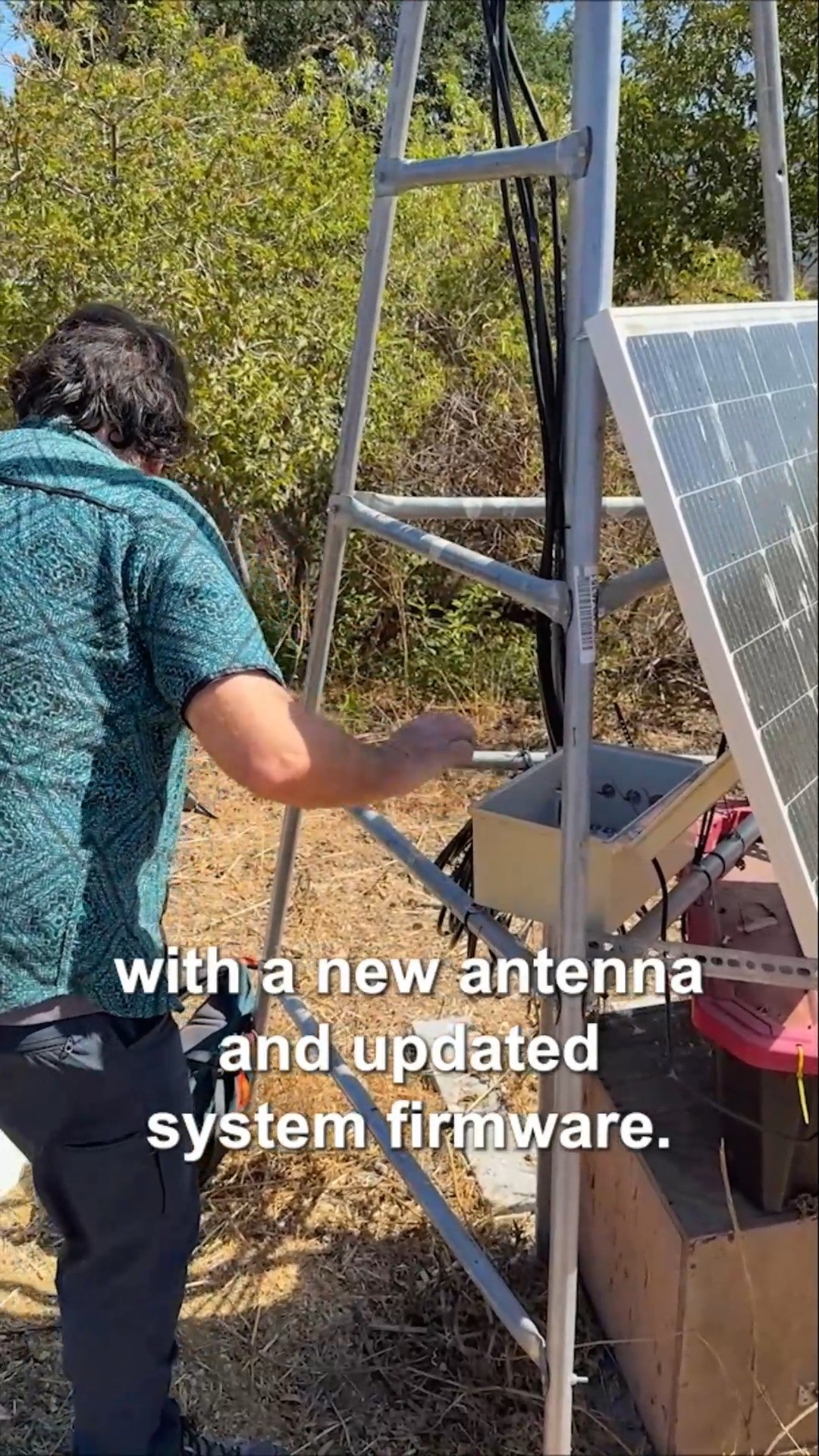
During his recent visit to the L.A. Zoo, Chris Spurgeon played a vital role in updating the Motus system’s antennas and firmware. These updates are not merely technical; they are fundamental for maintaining the system’s effectiveness and ensuring it meets the rigorous demands of research. As wildlife environments evolve due to various anthropogenic factors, maintaining an advanced tracking system becomes increasingly necessary. This ensures accurate data collection and minimizes the risk of data loss due to equipment failure.
Furthermore, the mutually beneficial relationship between organizations like the Pasadena Audubon Society and the L.A. Zoo fosters a community of engaged and informed citizens. By promoting wildlife conservation education, these organizations empower visitors and stakeholders to understand environmental challenges and take action. Educational programs can enhance public awareness about the importance of preserving biodiversity and the specific species at risk.
The future of the Motus Wildlife Tracking Station at the L.A. Zoo looks promising. Additional updates planned for the system aim to expand its capacity for tracking more diverse species. This expansion necessitates collaboration not only among local organizations but also with global research entities, reflecting a growing acknowledgment of the interconnectedness of wildlife conservation efforts. Through outreach programs and enhanced tracking capabilities, the zoo can position itself as a leader in wildlife research and education.
In summary, the contributions of Chris Spurgeon, combined with collaborative efforts among various organizations, underscore a collective commitment to wildlife conservation. The work being done at the L.A. Zoo with the Motus Wildlife Tracking Station exemplifies how technology can be harnessed to enhance our understanding of wildlife behavior and ecology. The meticulous approach to updating and expanding these systems is vital for keeping pace with the evolving landscape of wildlife research and conservation.
As the L.A. Zoo and its partners continue to invest in this initiative, they strengthen the framework for conserving vital wildlife populations. Visitors to the zoo and followers of the Pasadena Audubon Society can look forward to further updates that will shed light on ongoing tracking research. The integration of technology with conservation efforts is key to building a better understanding of how to protect our natural world and its inhabitants.
*****
Source Description
Chris Spurgeon from the Pasadena Audubon Society (@pasadenaaudubon) recently visited the L.A. Zoo to work with our Conservation Division to update the Motus Wildlife Tracking Station at the L.A. Zoo. In 2023, the L.A. Zoo partnered with the Pasadena Audubon Society and Southern Sierra Research Station (@southernsierraresearch) to install the Motus Wildlife Tracking Station at the Zoo – the first-ever Motus system installed in Los Angeles.
The Zoo’s Motus Wildlife Tracking Station tracks tagged wildlife, including migratory birds and bats, providing valuable insight into the movement patterns over time and contributing data to a global network of wildlife researchers. During this visit, Chris helped provide important updates to the Station’s antenna and firmware.
More updates are on the way for the Zoo’s Motus Wildlife Tracking Station that will expand the Zoo’s impact in tracking even more wildlife species. Stay tuned to our social media channels for more updates!
