
- Understanding the role of animal enrichment in captivity
- The social dynamics of zoo animals
- Insights into the emotional well-being of animals
- The significance of human-animal interactions in zoos
- The relationship between animal behavior and welfare
Animal enrichment is critical for maintaining the physical and psychological health of zoo inhabitants. Traditional methods of animal care have evolved, highlighting the need for stimulating environments. The phrase “you okay in there?” often echoes in the halls of wildlife facilities, symbolizing a caretaker’s concern for an animal’s welfare. The case of Clarence, a prominent figure in a zoo, brings to light the various elements of animal care, including enrichment and social interactions.
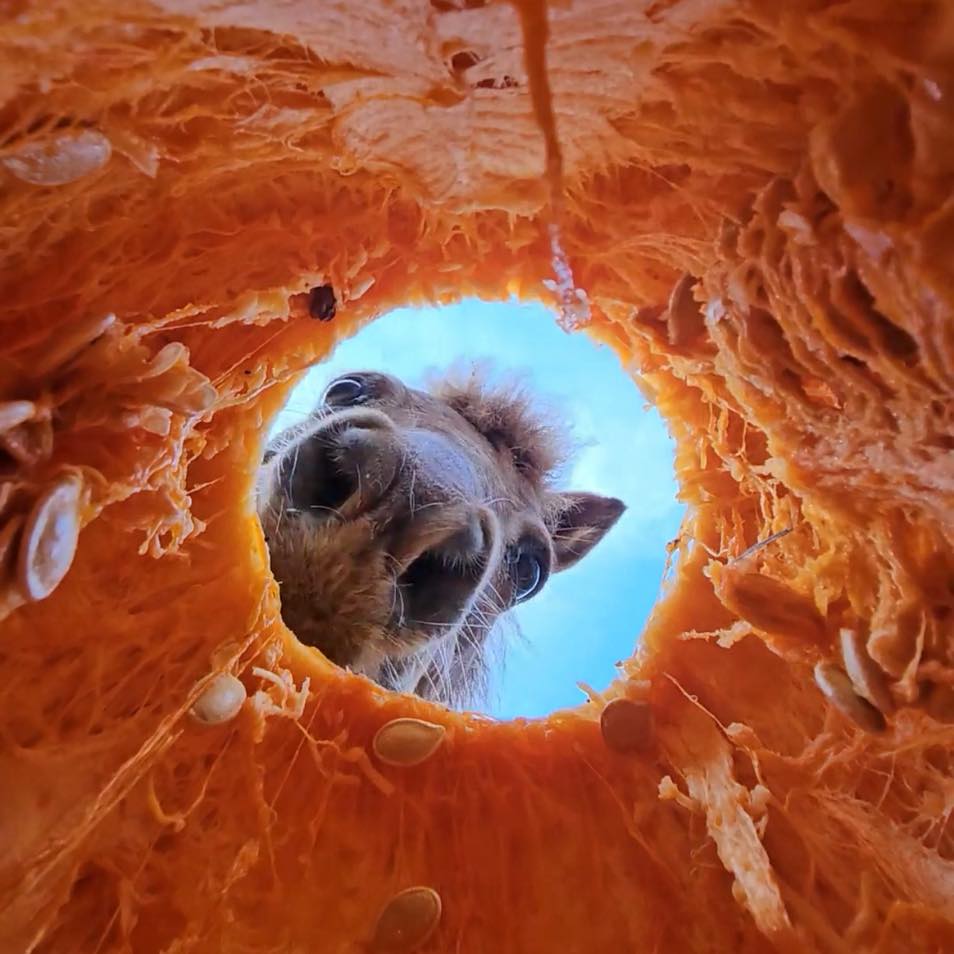
Zoo animals, including Clarence, benefit greatly from enrichment activities. Enrichment refers to any change made to an animal’s environment that enhances its quality of life. This can include physical structures in enclosures, varied diets, or new materials to explore. Studies have shown that a stimulating environment reduces stress and encourages natural behaviors. For instance, introducing pumpkins into an enclosure presents both a nutritional benefit and an opportunity for exploration and play. Pumpkins can be rolled, tossed, or even gnawed on, providing exercise and mental stimulation. This is essential for animals like Clarence, who might otherwise exhibit signs of boredom or stress.
Understanding the specific needs of each species is vital in enrichment efforts. For instance, some animals are solitary by nature, while others thrive in social groups. In the case of Clarence, his behavior when introduced to new items—like the pumpkin—can reveal his personality and preferences. Observing these interactions allows animal caretakers to create suitable enrichment programs that align with an animal’s inherent qualities.
In addition to physical enrichment, social dynamics significantly impact the well-being of animals in captivity. Many species rely on social structures to establish hierarchies and fulfill emotional needs. This is particularly true for social mammals, such as elephants or primates. For instance, their ability to communicate and form bonds with others of their kind is crucial for their psychological health. In zoos, understanding these social structures is essential.
The presence of other animals can influence Clarence’s behavior. If he resides in a habitat with species cohesion, interactions enable the natural display of behaviors, from social grooming to playful antics. However, when animals are isolated, they might face challenges, such as depression or aggressive tendencies. It is pivotal for keepers to evaluate each animal’s personality when making decisions about group housing. A careful, thoughtful approach can prevent stress and promote a harmonious environment.
Equally important is the emotional well-being of animals. The ability to express emotions is not limited solely to humans. Research has indicated that many species possess complex emotional lives, revealing a spectrum of feelings such as joy, sadness, and stress. The way zoo animals interact with their environments and each other often highlights these emotional states.
For keepers like Amy, recognizing signs of distress or discomfort in animals like Clarence is critical. Changes in behavior, such as decreased appetite, excessive vocalization, or lethargy, can indicate that something is amiss. Being attentive allows caregivers to implement changes that can address the specific needs of the animal. This vigilance in monitoring behaviors can enhance the overall quality of care and support emotional health.
Another significant aspect to consider is the role of human-animal interactions. Visitors may not realize how these relationships can impact the animals’ well-being. Positive, enriching experiences with caregivers can foster trust and reduce stress in the animals. For instance, when an animal like Clarence successfully engages with a keeper, it builds confidence and comfort in the environment. This engagement can transform the animal’s outlook, facilitating a richer, more active life.
Conversely, it is essential for zoos to educate the public about respecting animal boundaries. Too much stress from human interaction can lead to adverse reactions and hyperarousal. Proper training for staff and careful management of visitor interactions can alleviate stresses. Programs that emphasize humane education aim to teach the public about considerate behaviors toward animals, thereby deepening the understanding that animals have needs beyond mere observation.
Animal behavior significantly correlates with welfare. Animals that display natural behaviors tend to exhibit better physical and mental health. When introduced to new stimuli, such as Clarence with the pumpkin, it can reveal their curiosity levels or stress adaptations. Consistently providing diverse and stimulating activities allows keepers to gauge the animals’ overall health and happiness. For example, watching how Clarence interacts with food items can help determine if he is in a content environment or if adjustments are necessary.
Welfare in zoos is increasingly viewed through a holistic lens. This includes not just the physical health of the animal but also the mental and emotional aspects. By engaging in frequent behavioral assessments, caretakers can create a comprehensive profile of each animal, enabling a better understanding of their care requirements.
Through observation, keepers can fine-tune their care practices. Implementing varied enrichment strategies based on behavioral data will provide unique insights into animal preferences and needs. This system of check and balance is critical. Keepers must work hand-in-hand with veterinary staff to monitor both physical and mental states. For instance, certain dietary changes may affect how confidently an animal interacts with enrichment items. A well-rounded approach that encompasses diet, environment, and social interactions is imperative.
Efforts toward conservation are increasingly important in modern zoos. By showcasing animals like Clarence and providing educational opportunities, zoos contribute to larger conservation initiatives. Awareness campaigns related to endangered species, habitat loss, and biodiversity play a crucial role. When visitors learn about Clarence, they also gain insights into his species’ status in the wild, fostering a sense of responsibility and advocacy for wildlife conservation. This bridging of educational experiences can cultivate a community dedicated to preserving wildlife and habitats.
The conversation surrounding animal welfare in captivity continues to evolve. Organizations acknowledge that improving animal welfare requires science-driven approaches alongside compassion and empathy. Researchers constantly explore new methods to enhance animal experiences, pushing boundaries in captive management practices. Data collection and analysis are at the forefront of optimizing environments for zoo animals. This ongoing research aims to create settings that allow animals to express their natural behaviors, leading to better overall outcomes.
Investing in training programs for zookeepers will further enhance animal care practices. Continuous education encourages keepers to remain attuned to the changing needs of their charges. Workshops focusing on animal psychology, behavioral management, and enrichment techniques offer valuable tools that can transform care methods. This enhances the outcomes not just for individual animals but for the conservation goals of the institution as a whole.
The dynamic between animals and their caretakers should be rooted in respect, understanding, and mutual benefit. Clarence embodies the ongoing journey toward creating environments that prioritize animal well-being while fostering human connections. Enrichment opportunities such as the pumpkin engagement not only enhance his life but also serve as an avenue for public education.
Understanding and addressing the varied factors influencing animal behavior is vital for effective management. By employing a comprehensive approach that considers enrichment, social dynamics, emotional well-being, human-animal interactions, and behavioral insights, facilities can provide optimal care for their animals. The well-being of animals like Clarence ultimately reflects the dedication of zoos to advancing conservation efforts while enriching the lives of those in their care.
Animals in captivity require thoughtful attention and innovative methods to thrive. As zoos evolve in their practices, animals like Clarence will continue to showcase the powerful impact of dedicated animal care and welfare.
*****
Source Description
Clarence: “you ok in there?”
Us: 📸 👃 👀
📸 Keeper Amy – Pumpkin cam
