
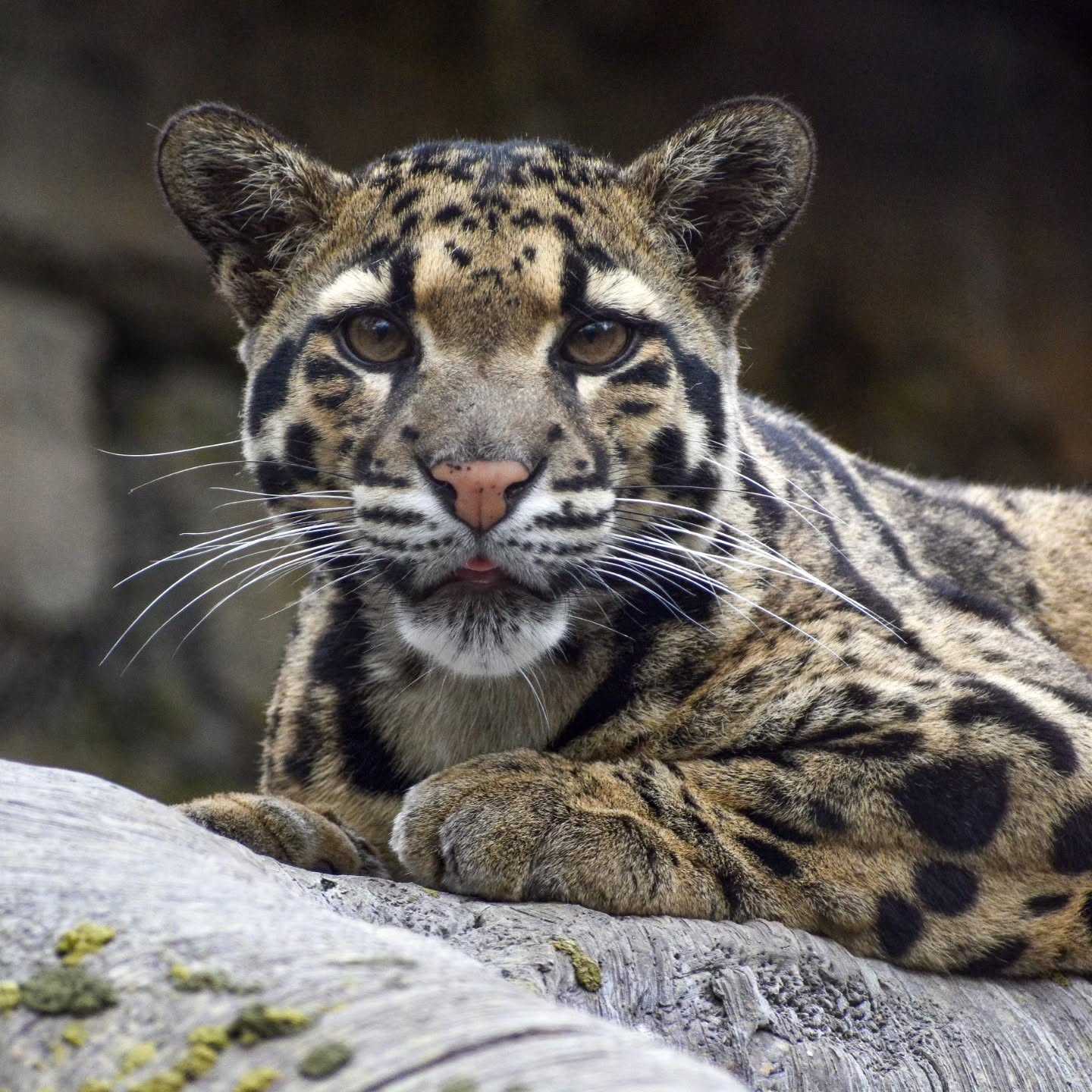
- Overview of the Clouded Leopard’s taxonomy and characteristics
- Habitat and distribution of the Clouded Leopard
- Behavior and physical adaptations of the Clouded Leopard
- Conservation status and threats facing the Clouded Leopard
- Role of zoos and wildlife organizations in Clouded Leopard conservation
The Clouded Leopard, scientifically known as Neofelis nebulosa, is a medium-sized wild cat that captures attention with its striking appearance and elusive nature. Belonging to the family Felidae, this species is native to the forests of Southeast Asia, and its unique features set it apart in the feline family. With its long, slender body, short legs, and large, cloud-like spots, the Clouded Leopard embodies both beauty and agility. Adults typically weigh between 50 and 70 pounds, with the males appearing larger than females.
This species is classified within the genus Neofelis, which also includes the Sunda Clouded Leopard (Neofelis diardi). This classification reflects their evolutionary divergence, providing insight into their distinct adaptations to different environments. The Clouded Leopard’s remarkable long tail aids in balancing while navigating trees, an adaptation crucial for a primarily arboreal lifestyle.
The native habitat of the Clouded Leopard consists mainly of tropical and subtropical forests. These habitats are often thick with underbrush and provide excellent cover for hunting. This cat is distributed across various countries, including Bhutan, India, Myanmar, Thailand, Malaysia, and Indonesia, with the highest populations found in dense rainforest areas. The Clouded Leopard prefers elevation and is frequently spotted in hilly terrains and mountainous regions. Conservation efforts focus on protecting these habitats, as deforestation and habitat loss pose significant threats to their survival.
Behaviorally, the Clouded Leopard is a solitary and elusive creature. These cats are nocturnal hunters, relying on their keen sense of hearing and sight to locate prey such as birds, small mammals, and other arboreal creatures. They are incredibly agile climbers and often spend a significant amount of time in trees. This arboreal capability sets them apart from other big cats, enabling them to ambush prey from the safety of branches. Their hunting technique involves a stealthy approach followed by a sudden pounce, which showcases their impressive physical prowess.
Physical adaptations of the Clouded Leopard further enhance its survival skills. Their large canines, which can measure over two inches, are specially adapted for piercing through the hides of their prey. Additionally, the flexibility of their limbs allows them to navigate through dense vegetation effortlessly. The distinctive coat pattern of cloud-like markings serves dual purposes: it provides excellent camouflage against the dappled light of the forest canopy and aids in communication with other Clouded Leopards through visual cues.
Despite their adaptations for survival, Clouded Leopards face numerous threats in the wild. Habitat destruction, primarily driven by logging and agriculture, continues to reduce their living spaces. As forests are cleared, the chances of human-wildlife conflict increase, leading to further declines in their populations. Poaching also poses a significant threat to Clouded Leopards, as their beautiful pelts are highly sought after in illegal wildlife trade. These impacts have contributed to their classification as “vulnerable” on the IUCN Red List, with estimates suggesting that only a few thousand individuals remain in the wild.
Conservation efforts are essential to raise awareness and safeguard the future of Clouded Leopards. Zoos and wildlife organizations play a pivotal role in these efforts. Accredited zoos, such as the Fort Worth Zoo, have established successful breeding programs that focus on maintaining genetic diversity. Through education and outreach initiatives, these institutions encourage public engagement and support for conservation strategies. Furthermore, collaborative global efforts help boost conservation awareness and facilitate habitat protection strategies.
The Clouded Leopard’s adaptability to different habitats highlights the importance of preserving biodiversity. Protecting this magnificent species is beneficial not only for its survival but also for the health of the forest ecosystems that it inhabits. Ensuring healthy populations of Clouded Leopards can encourage the preservation of other flora and fauna, creating a balanced and sustainable environment.
Research also plays a vital role in conservation. Ongoing studies focusing on the Clouded Leopard’s genetics, behavior, and ecology provide critical insights that can inform conservation strategies. Radio collaring studies allow researchers to track movement patterns and habitat use, shedding light on their ecological needs. Understanding these factors enhances efforts in habitat restoration and management.
Public awareness campaigns are vital in combatting poaching and illegal wildlife trade, which threaten the survival of Clouded Leopards. Educational programs in local communities are crucial for fostering a culture of coexistence between humans and wildlife. Local people are often on the front lines of wildlife conservation; their involvement can lead to successful preservation initiatives. Programs that provide alternative livelihoods to communities reliant on poaching can mitigate threats to Clouded Leopards while promoting sustainable practices.
The role of technology in conservation has expanded significantly in recent years. Camera traps for monitoring populations and habitat use provide valuable data while minimizing human impact on these elusive creatures. Social media and online platforms help spread awareness about the plight of Clouded Leopards and engage a broader audience in conservation efforts. Utilizing technology not only aids in research but also enhances public education initiatives.
Preserving the Clouded Leopard represents a broader conservation challenge. It underscores the need for comprehensive approaches to wildlife protection that address habitat conservation, community engagement, and law enforcement against poachers. The survival of this species serves as an indicator of the health of its ecosystem, reflecting the interconnectedness of all wildlife.
Conservation strategies need to be adaptive and multifaceted to keep pace with evolving challenges. Collaborations between countries, NGOs, and local communities are crucial to establishing effective conservation plans. Intensive field studies, along with adaptive management practices, can lead to more effective responses to the dynamic challenges faced in wildlife protection.
Ecotourism can also play a constructive role in the conservation of Clouded Leopards. By promoting responsible travel to natural habitats where these cats are found, ecotourism can generate revenue that supports local communities and conservation initiatives. Positive interactions between tourists and wildlife can create advocates for conservation and motivate communities to protect their natural resources.
Clouded Leopards exemplify the intricate relationships that exist within ecosystems. Their role as both predator and prey contributes to maintaining the balance in forest environments. Protecting this species is not just about saving a single cat; it’s about preserving the complex web of life that relies on healthy ecosystems.
Efforts to conserve the Clouded Leopard can serve as a model for managing other endangered species. As successful strategies are developed and implemented, they can be adapted to address the challenges facing different wildlife populations worldwide. The continued commitment to research, education, and habitat protection for the Clouded Leopard will resonate through the landscapes of Southeast Asia, creating ripples of positive change for many species.
The journey toward ensuring a stable future for the Clouded Leopard is an ongoing challenge that requires collective action and lasting commitment. Fostering partnerships that echo the importance of biodiversity and ecosystem health will contribute to the survival of not only the Clouded Leopard but also the countless other species that share its habitat.
*****
Source Description
Clouded Leopard (Neofelis nebulosa) 📷 @ the @fortworthzoo
