
- Introduction to Chiquito pero bonito: Concept and Inspiration
- Zoological Diversity: Highlighting the Species
- Conservation Efforts and Environmental Impact
- Zoo Management and Animal Welfare Practices
- Educational Outreach and Public Engagement
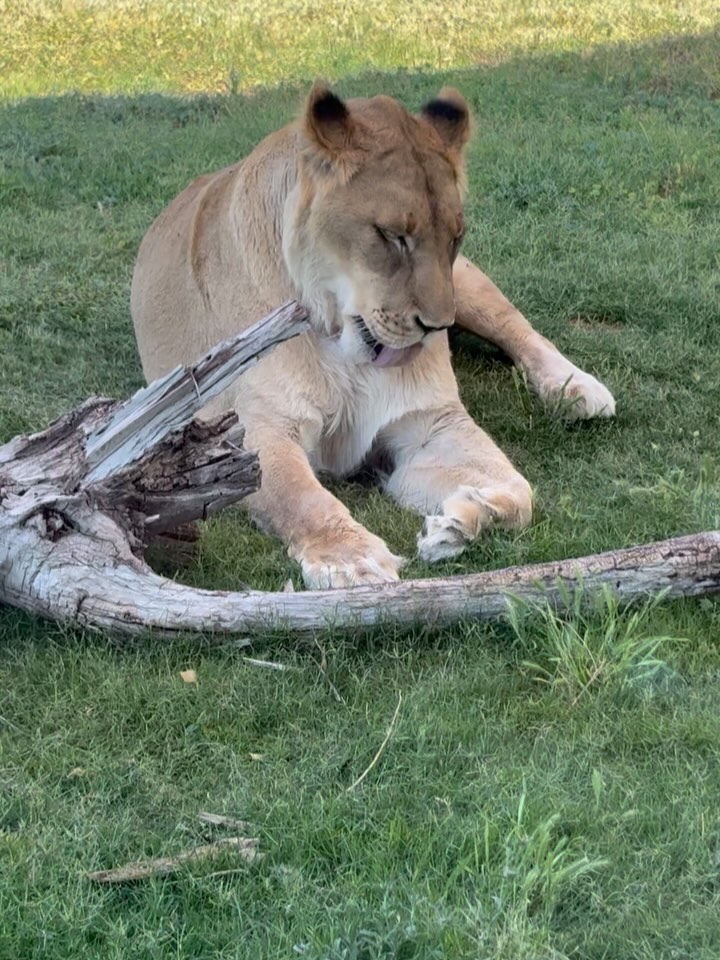
Chiquito pero bonito, translating to "Small but Beautiful," is a captivating initiative embraced by zoos to celebrate the beauty and significance of small-sized animals often overshadowed by their larger counterparts. This concept emphasizes the depth, complexity, and ecological importance of smaller species, urging a broader appreciation among the public and fostering deeper connections with wildlife. Understanding these often-overlooked animals can illuminate the intricate web of life they inhabit and contribute to.
Zoological Diversity: Highlighting the Species
The Chiquito pero bonito concept shines a light on numerous small species, enriching the zoological landscape with animals like meerkats, lemurs, small primates, and more. Each species exhibits unique behaviors, adaptations, and ecological roles. For instance, meerkats, with their cooperative behavior and complex social structures, serve as a model for understanding social interaction in the animal kingdom. Lemurs, found only in Madagascar, play crucial roles in seed dispersal and forest ecosystems. The presence of pygmy animals, such as pygmy goats and marmosets, provides insight into size adaptation and survival strategies in varied habitats.
Conservation Efforts and Environmental Impact
Efforts surrounding Chiquito pero bonito extend beyond public display; they serve pivotal roles in conservation. Many smaller species are integral to maintaining biodiversity and ecosystem stability. Conservation programs often target these species to prevent extinction and habitat degradation. For example, captive breeding programs aim to bolster populations of endangered small species, ensuring genetic diversity and stability. Environmental education efforts are crucial, providing insight into habitat conservation and the importance of preserving smaller animals, which are vital for the health of larger ecosystems.
Zoo Management and Animal Welfare Practices
Managing a Chiquito pero bonito initiative involves keen attention to animal welfare. Ensuring optimal habitats and enrichment activities that mimic their natural behaviors is essential. This requires a balance of scientific research and zoo management expertise, focusing on diet, health monitoring, and social grouping. The aim is to maintain physical and mental health, encouraging natural activity and reducing stress-induced behaviors. Insights into the specific needs of smaller animals help refine care practices, enhancing their quality of life within zoos.
Educational Outreach and Public Engagement
The educational dimension of Chiquito pero bonito engages the public with compelling narratives about these lesser-known species. Zoos use interactive exhibits and educational programs to inspire curiosity and foster respect for all animal life. This outreach aims to cultivate a conservation-minded public, encouraging active participation in wildlife preservation efforts. By providing informative experiences, zoos can influence attitudes and behaviors, empowering visitors to contribute positively to global biodiversity goals.
Chiquito pero bonito embodies a forward-thinking approach in zoology. By celebrating the significance of smaller animals, zoos and conservationists foster a holistic understanding of biodiversity. Recognizing the contributions of all species, regardless of size, underlines the necessity of comprehensive wildlife conservation. Through education, management, and conservation, Chiquito pero bonito has the potential to reshape public perceptions and enhance the future of global wild spaces.
*****
Source Description
Chiquito pero bonito
🦁 🦓🦒🦭🐧🐗🦧🐒🦏🐱
